Woodpecker Identification: A Complete Guide to North America's Drumming Birds
Woodpeckers are among the most recognizable and entertaining birds in North America. Their drumming, climbing, and acrobatic foraging behavior makes them a delight to watch. From the tiny Downy Woodpecker to the massive Pileated Woodpecker, these birds play crucial ecological roles as insect controllers, cavity creators, and forest engineers.
Major Woodpecker Species
10 Common Woodpeckers
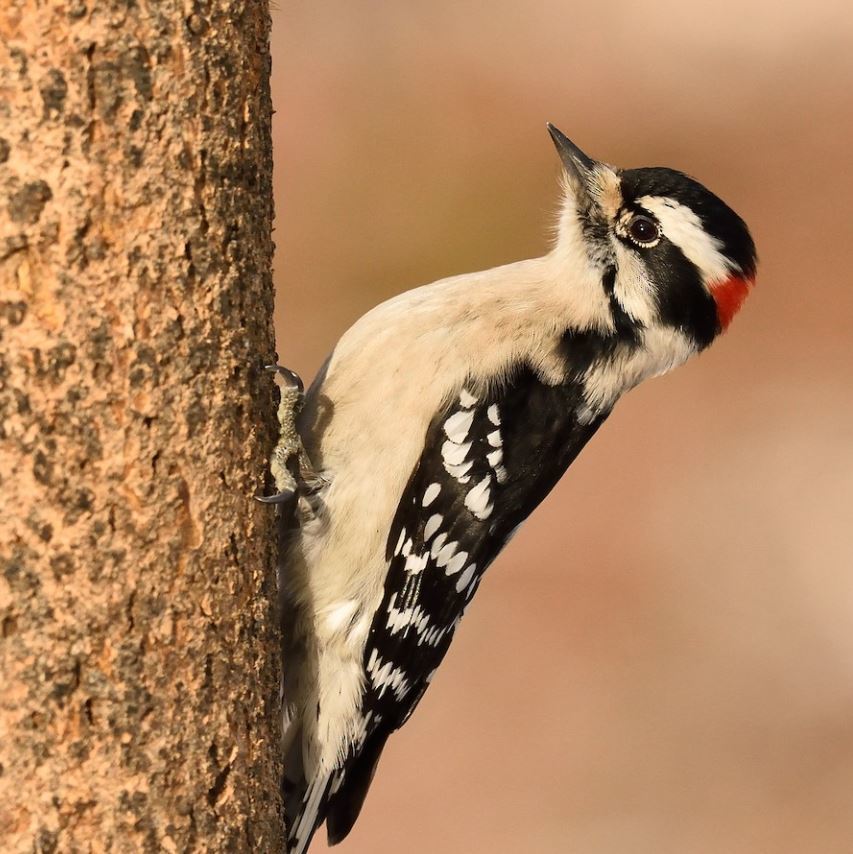
Downy Woodpecker
Dryobates pubescens
The Downy Woodpecker is the smallest North American woodpecker, with black-and-white plumage and a red patch on the male's head. It is often confused with the Hairy Woodpecker, but the Downy has a much shorter bill relative to its body size.
Fun Fact: Downy Woodpeckers can hammer into wood at 20 strikes per second, subjecting their brains to forces of up to 1,200 Gs — yet they never suffer concussions thanks to specialized skull anatomy.
Woodpecker Gallery
Downy Woodpecker on tree
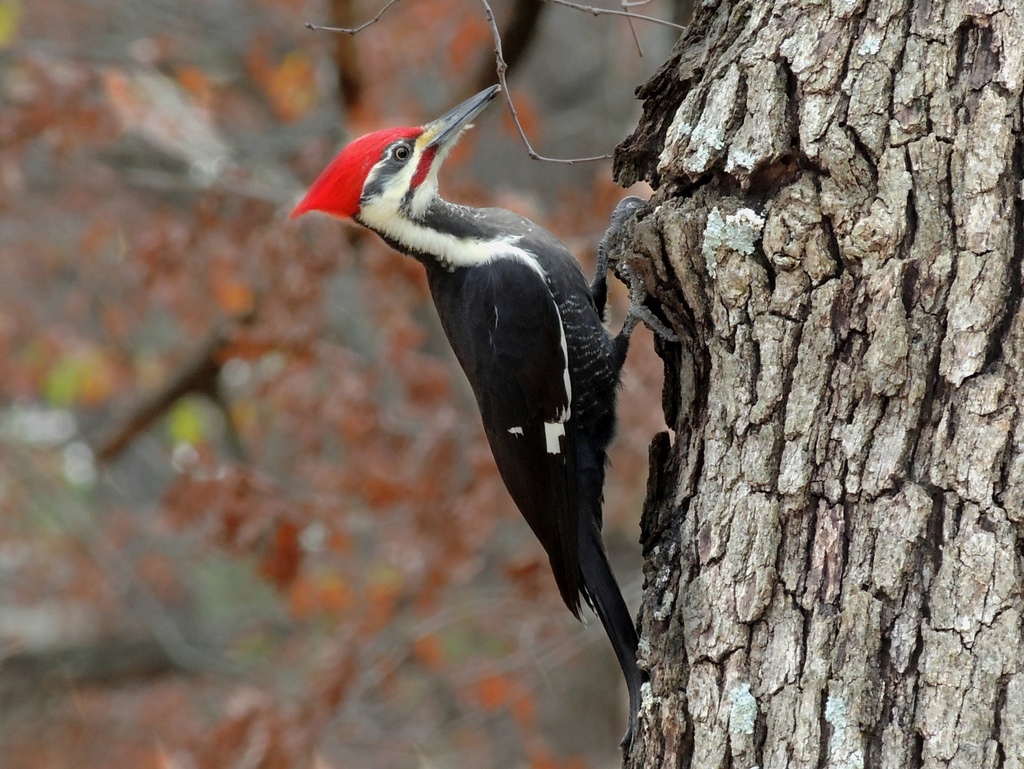
Pileated Woodpecker on trunk
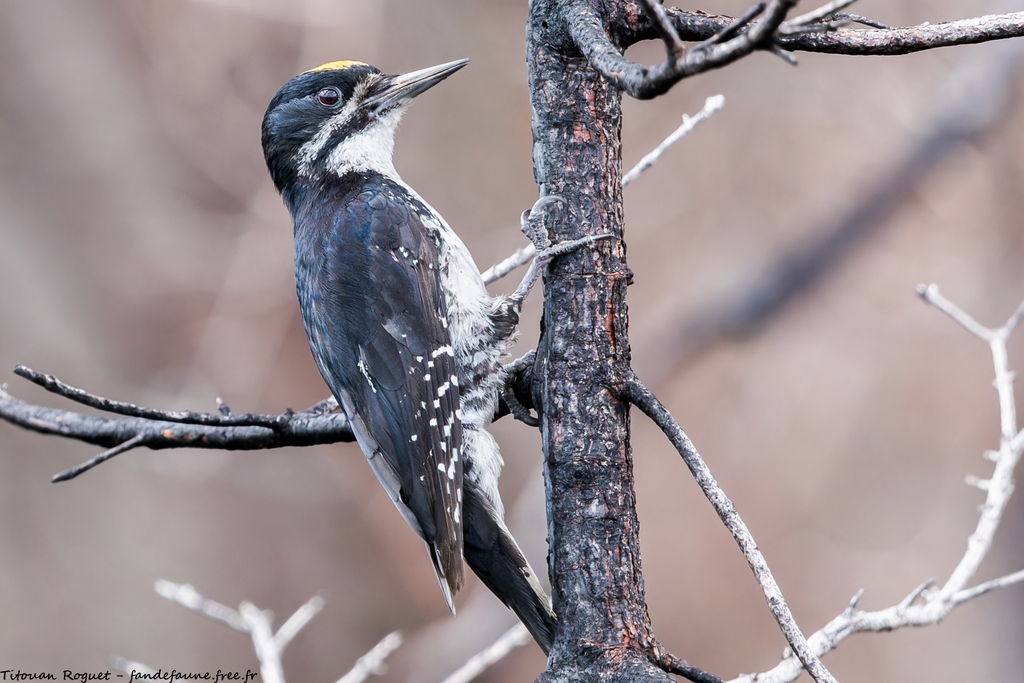
Hairy Woodpecker at feeder
The Drumming Signal
Woodpeckers drum on trees to establish territory and attract mates. Each species has a characteristic drum rate: the Downy drums at about 19 strikes per second, while the Pileated drums more slowly at 9 strikes per second. Listen for these rhythms to identify species by sound alone.
Woodpecker Drum Rates
Ecological Importance
Woodpecker cavities are used by over 80 species of birds and mammals — from owls to ducks to bats. When woodpeckers abandon a cavity, it becomes vital nesting real estate for other wildlife. Protecting woodpecker habitat protects an entire community of cavity-nesting species.
Attracting Woodpeckers
Offer suet cakes — especially during winter — and leave dead trees or snags standing if safe. Woodpeckers also visit sunflower seed feeders and peanut platforms. Our AI Smart Bird Feeder captures dramatic footage of woodpeckers clinging to feeders.
Woodpecker Feeding Tips
- Suet cages attract woodpeckers, nuthatches, and chickadees
- Black oil sunflower seeds work on platform feeders
- Leave dead trees (snags) for natural foraging habitat
- Install a suet feeder within 10 feet of a tree for easy access
Q: Why do woodpeckers drum?
A: Drumming serves two purposes: establishing territory (usually in late winter/early spring) and attracting mates. It is not primarily for finding food.
Downy Woodpecker Drums
Rapid drumming at ~19 strikes per second on a tree trunk
Featured Birds
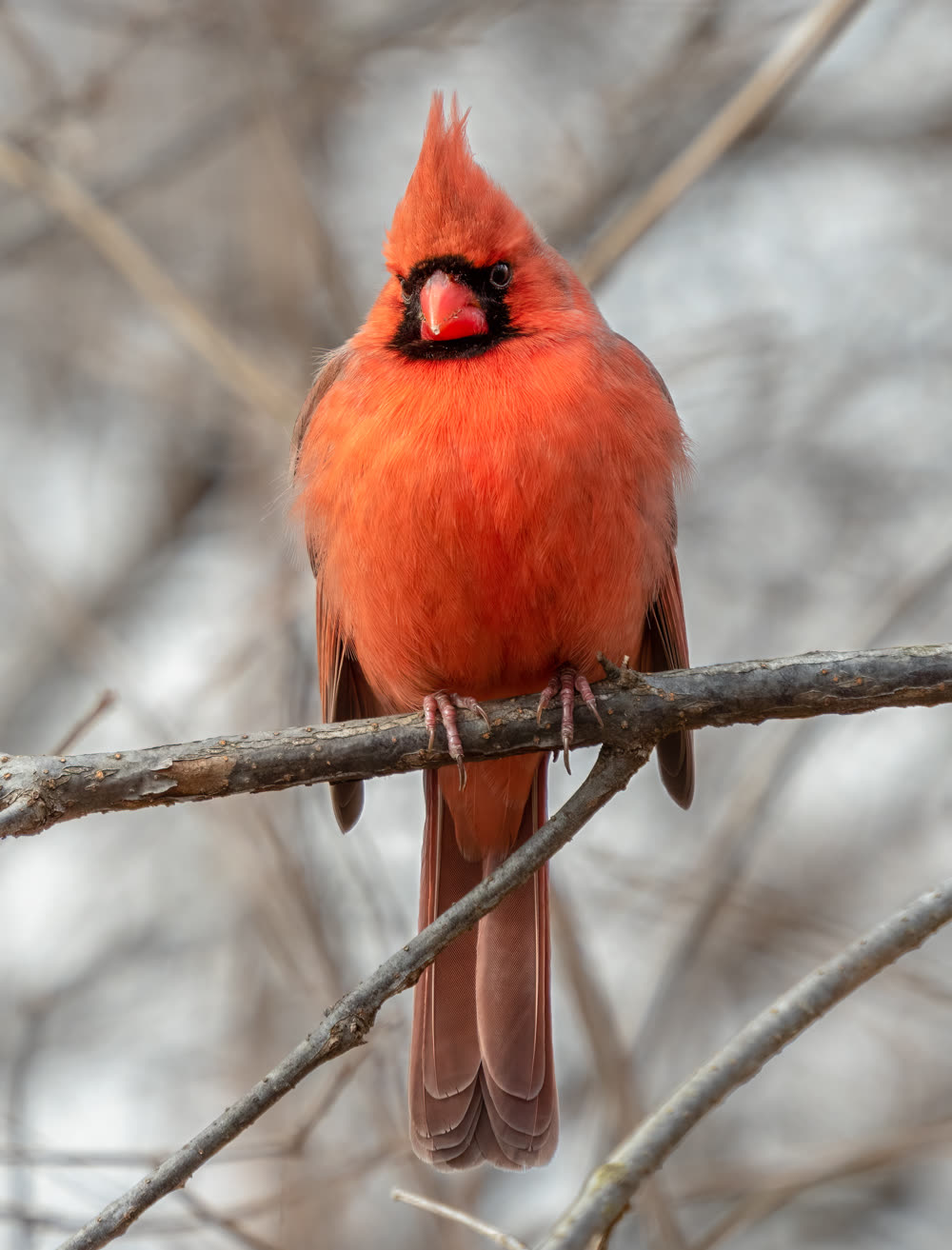
Northern Cardinal
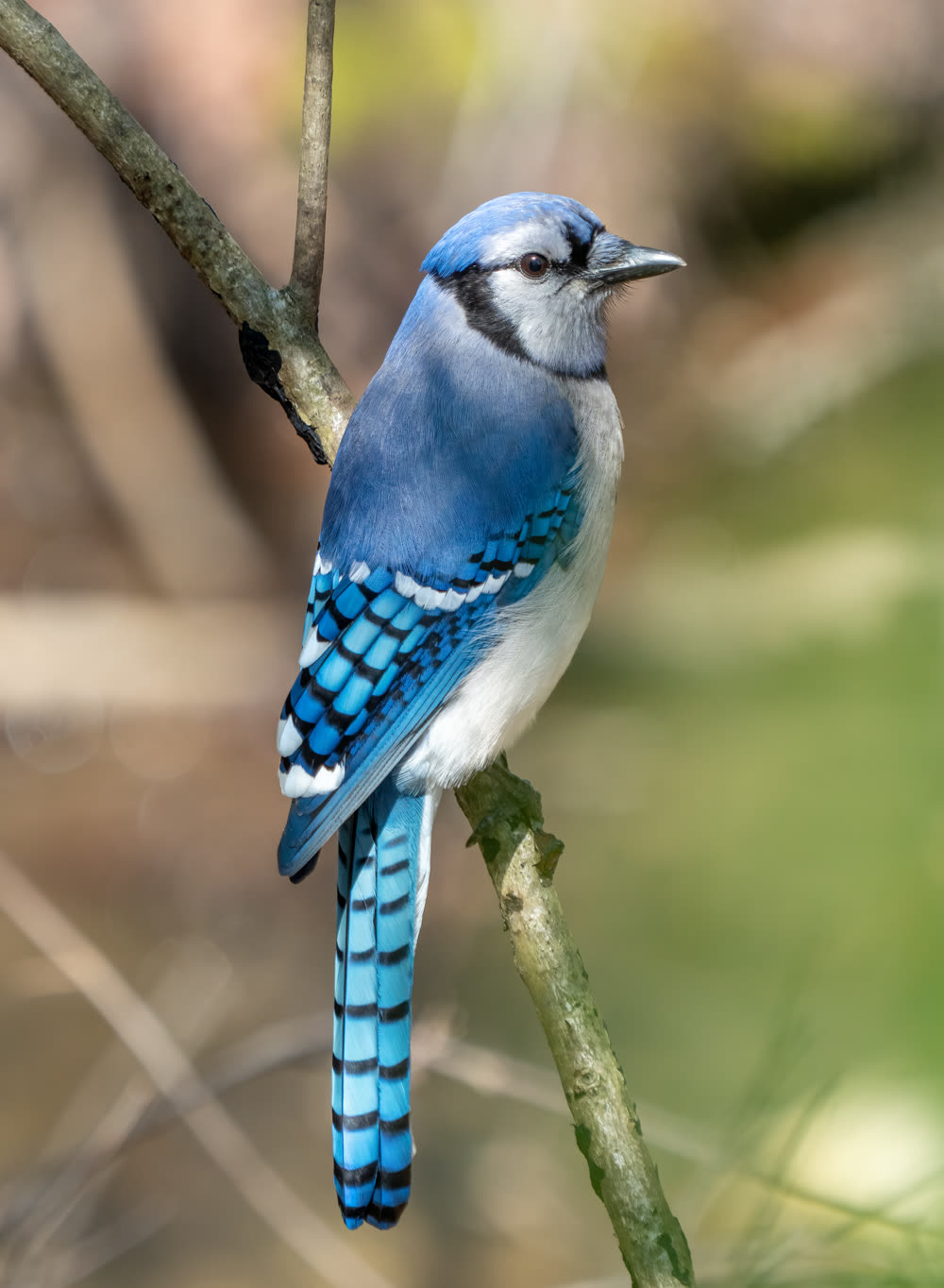
Blue Jay
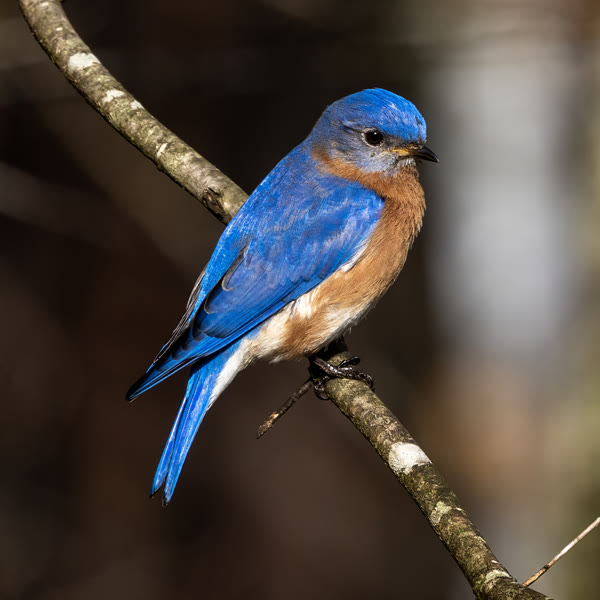
Eastern Bluebird
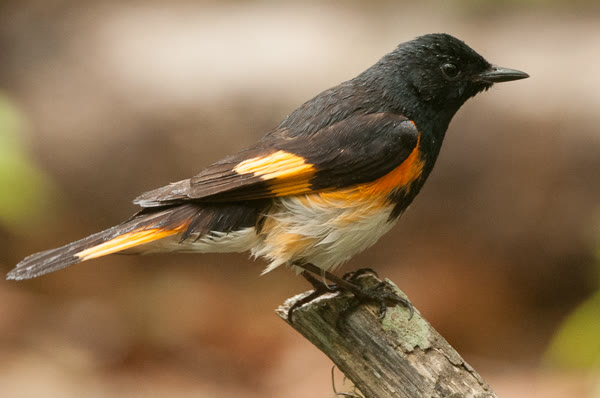
Warbler