Owl Night-Birding: A Beginner's Guide to Identifying North America's Nocturnal Raptors
Owls are the ghosts of the avian world — silent hunters that glide through the night with uncanny precision. North America hosts 19 species of owls, ranging from the tiny Elf Owl to the majestic Great Gray Owl. Understanding owl behavior, calls, and habitats transforms nighttime birding from a mystery into a rewarding pursuit.
Major Owl Species
10 Common North American Owls
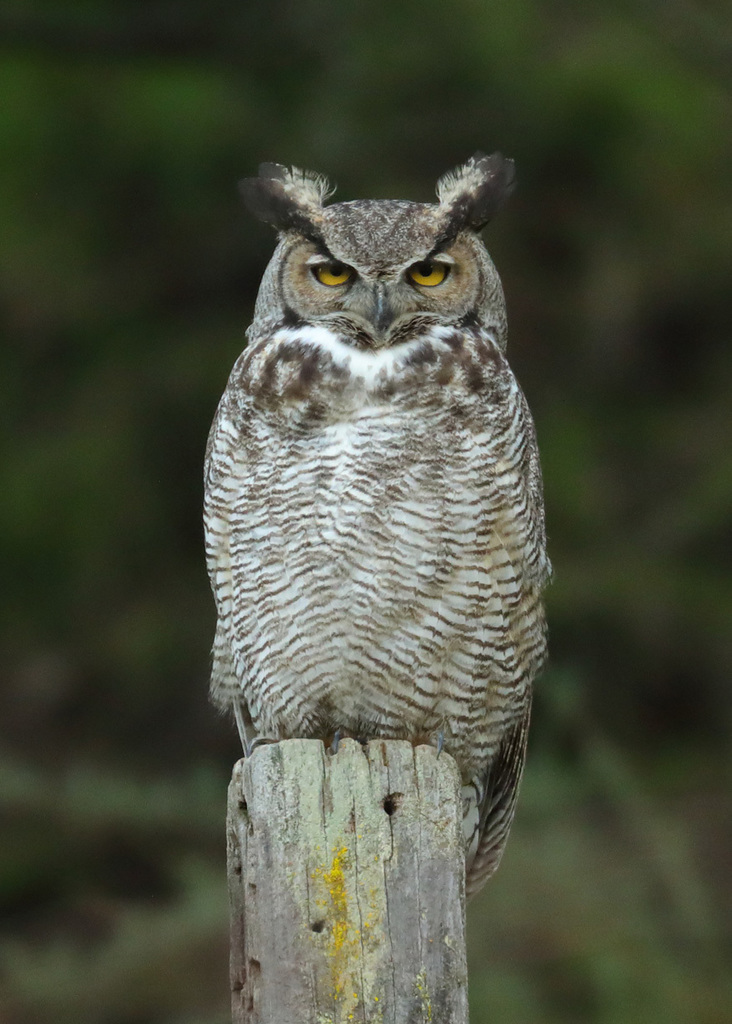
Great Horned Owl
Bubo virginianus
The Great Horned Owl is one of the most powerful and widespread owls in North America. Known as the 'tiger of the sky,' it has prominent ear tufts, fierce yellow eyes, and enormous talons. It hunts from dusk until dawn and is remarkably adaptable, living in everything from dense forests to suburban backyards.
Fun Fact: Great Horned Owls are known to kill and eat other owl species, including the larger Great Gray Owl. Their hunting season begins as early as August — the earliest of any North American owl.
Owl Gallery
Great Horned Owl silhouette
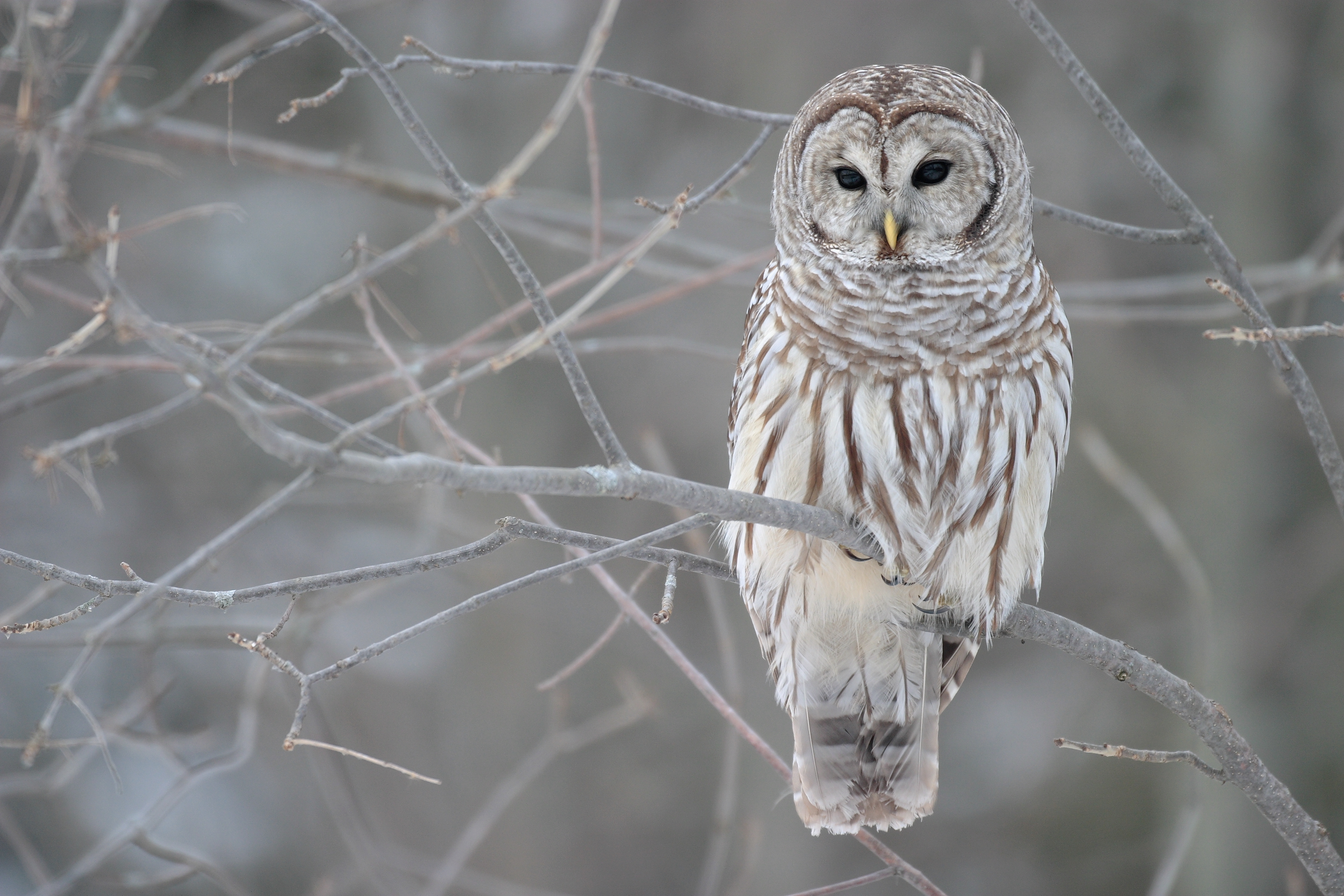
Barred Owl in tree
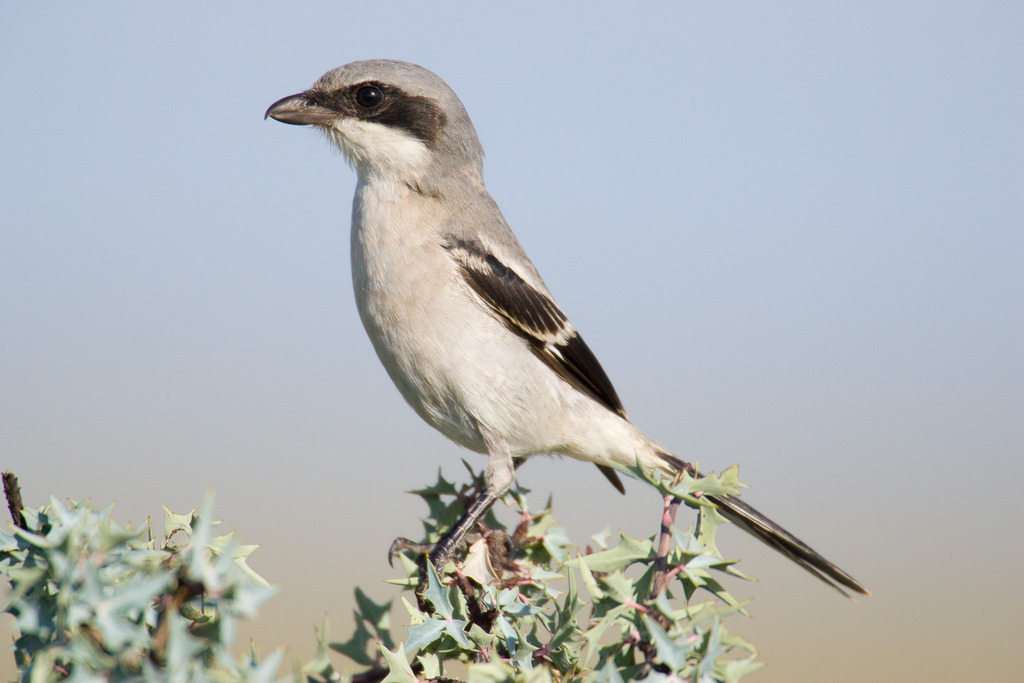
Loggerhead Shrike on branch
Owl Vocalizations
Great Horned Owl: Deep, resonant 'hoo-hah' pairs. Barred Owl: The memorable 'Who cooks for you? Who cooks for cherry?' call. Eastern Screech-Owl: A metallic trill or a soft whinny. Learning these calls is essential for nighttime identification.
Great Horned Owl Call
Deep, resonant 'hoo-HAH' pairs — the classic Great Horned Owl call
Barred Owl Call
The memorable 'Who cooks for you? Who cooks for cherry?' call
Night Vision Technology
Our AI Smart Bird Feeder features infrared night vision that captures clear footage of nocturnal visitors. During our 30-day test, we documented a Barred Owl visiting our feeder area at dusk — an unforgettable sighting captured in stunning 1080P clarity.
Best Owl Watching Spots
Forested areas near open fields, wetlands, and farm edges are prime owl habitat. Screech-owls adapt well to suburban yards with mature trees. Barn owls favor agricultural areas with open hunting grounds.
Owl Hunting Adaptations
Conservation
Owl populations face threats from habitat loss, vehicle collisions, and poisoning. Installing owl boxes and preserving dead trees supports nesting. Documenting owl visits with AI feeders contributes valuable data on nocturnal wildlife patterns.
Q: Can owls turn their heads all the way around?
A: Owls can rotate their heads up to 270 degrees, but not a full 360. They compensate with incredibly flexible necks that have 14 vertebrae (humans have 7).
Featured Birds
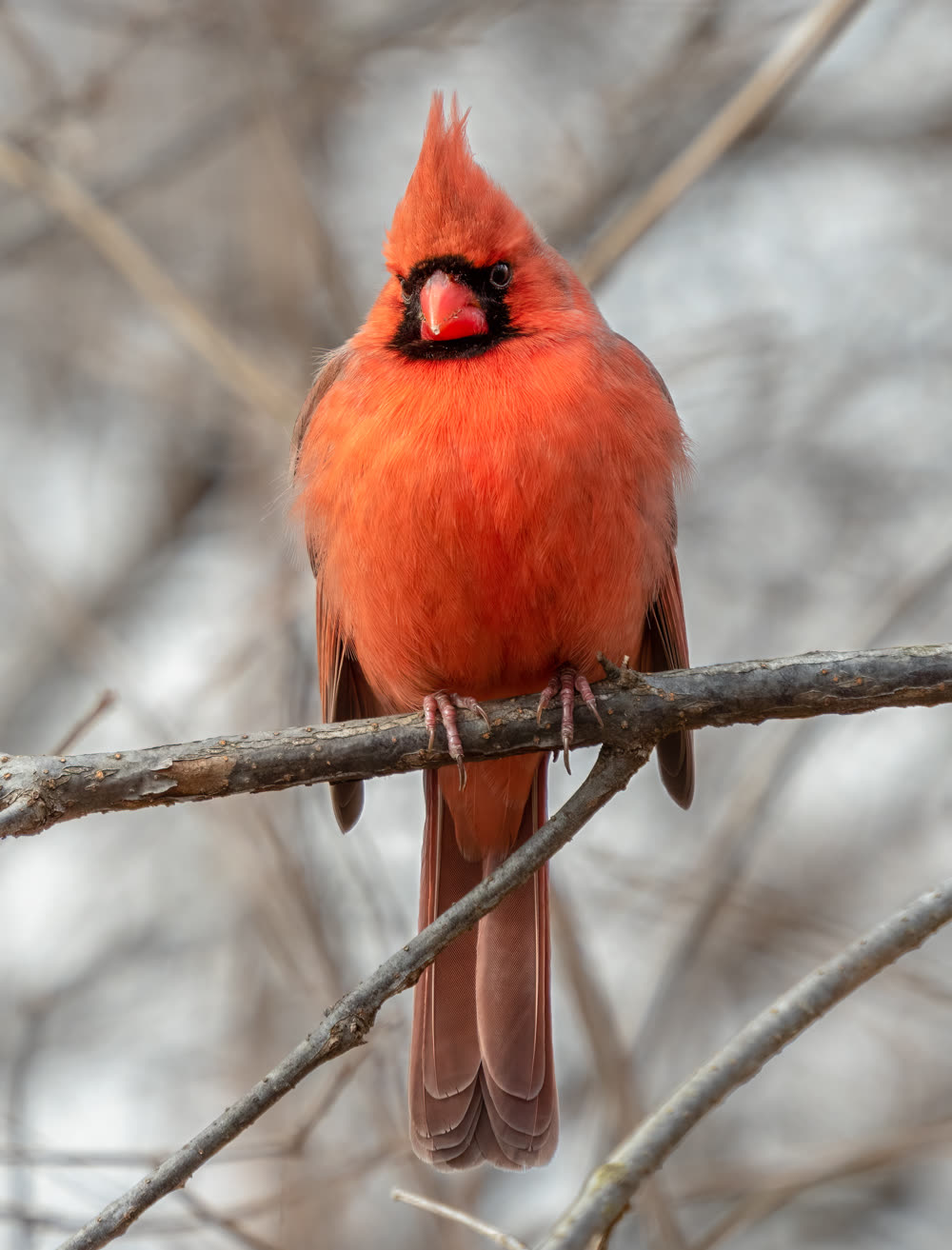
Northern Cardinal
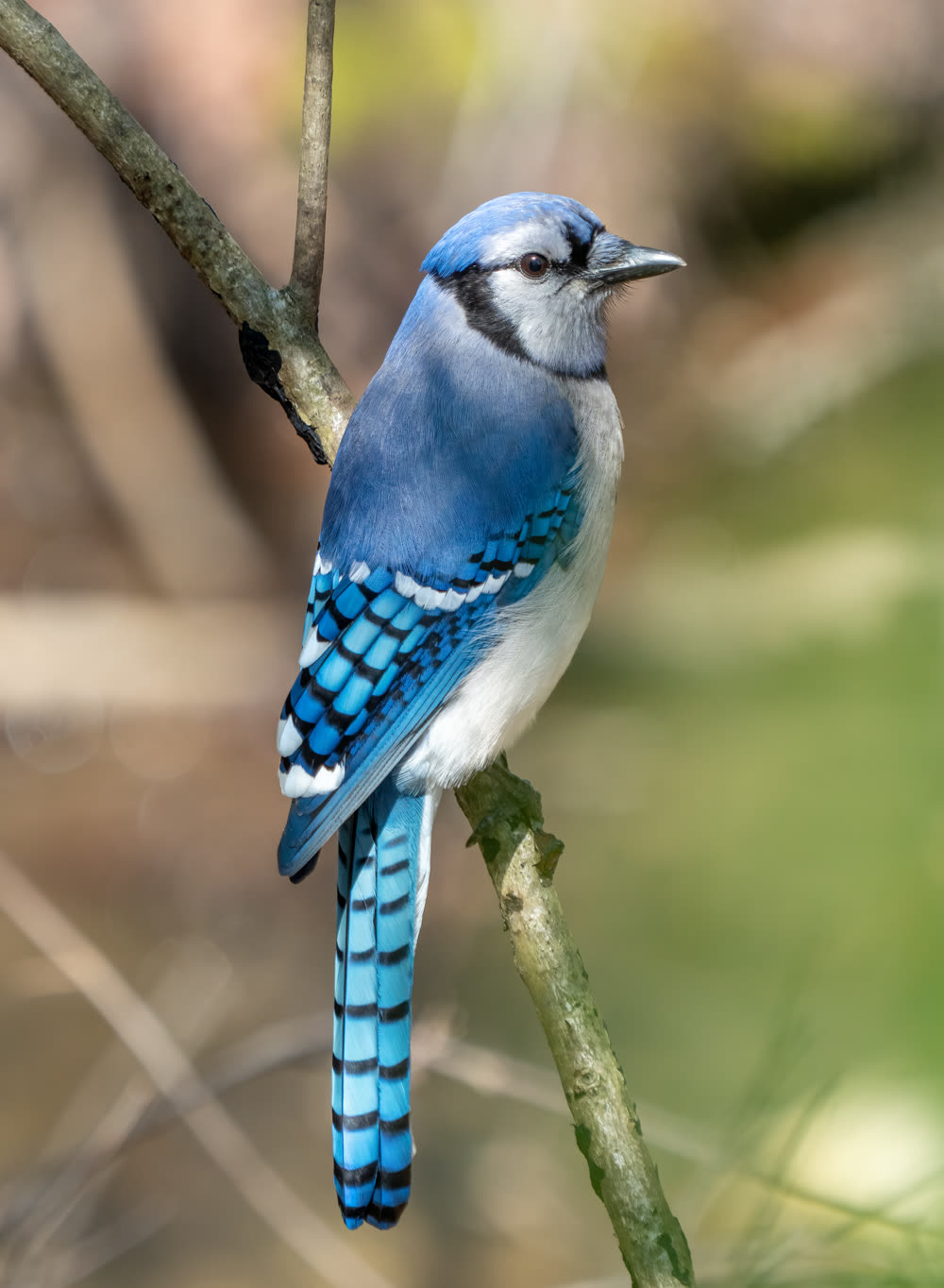
Blue Jay
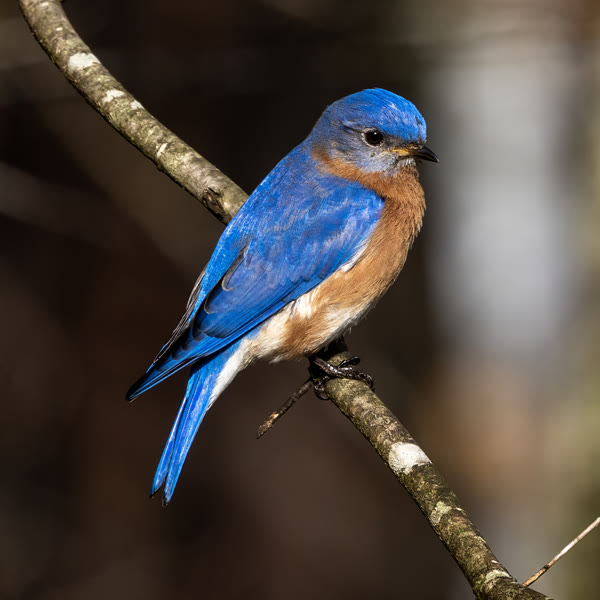
Eastern Bluebird
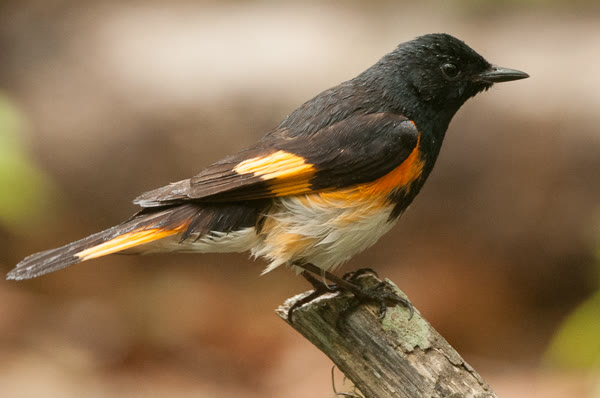
Warbler