Warbler Migration: How to Spot North America's Most Colorful Migrants
Warblers are the jewels of North American birding. With over 100 species passing through the continent each year, these tiny, energetic birds deliver a spectacular show of color, song, and behavior during migration seasons. Whether you are a seasoned birder with a life list or a curious newcomer, warbler watching offers endless excitement.
What Are Warblers?
Warblers belong to the family Parulidae, with about 110 species found primarily in the Americas. Despite their name, most New World warblers are not closely related to Old World warblers (family Sylviidae). They are small birds — typically 4 to 6 inches long — with insect-eating bills and highly active foraging behavior. Many species are brilliantly colored, though some appear deceptively plain.
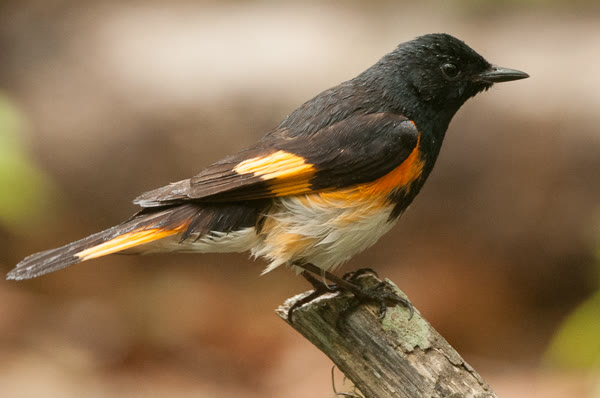
Warbler (General)
Family Parulidae
Warblers are among the smallest songbirds in North America. They are highly active, constantly flitting through foliage in search of insects. While many are brightly colored in breeding plumage, females and winter plumage tend to be more subdued.
Fun Fact: The name 'warbler' comes from their warbling songs, but the Black-and-white Warbler actually forages like a nuthatch, crawling headfirst down tree trunks.
Warbler Species Gallery
Warbler in foliage
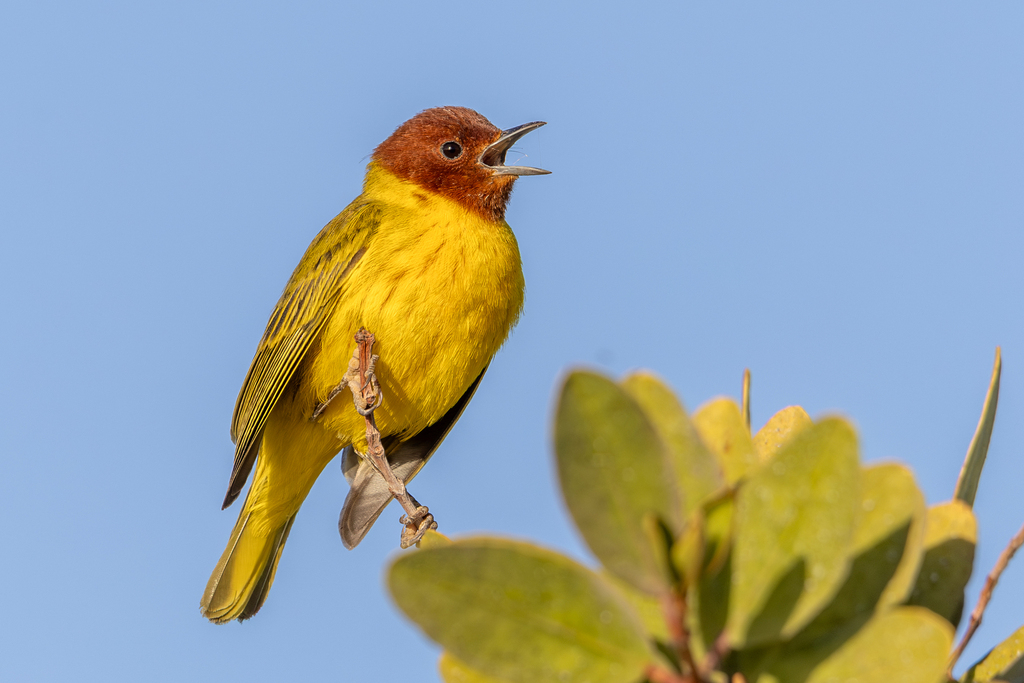
Yellow Warbler on branch
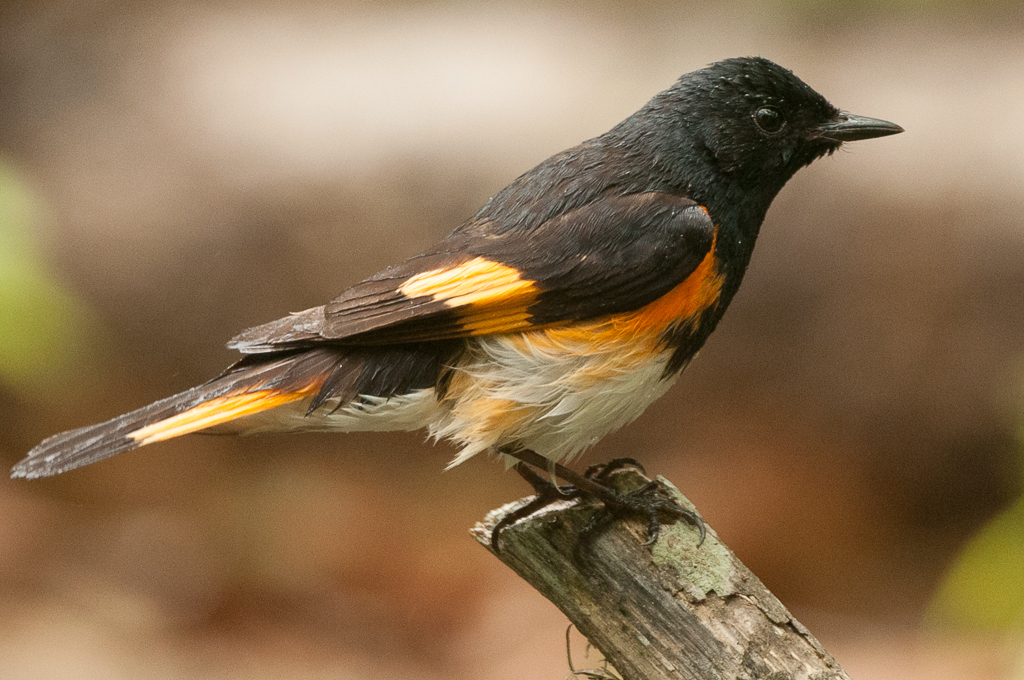
American Redstart in tree
Spring vs. Fall Migration
Spring migration (March to June) is the prime warbler season. Males arrive in peak breeding plumage, displaying their brightest colors and singing their most elaborate songs. Fall migration (August to November) sees more females and juveniles, which tend to be duller. Spring offers better identification opportunities due to males' vivid plumage and active singing.
Warbler Migration Timeline
March
Early arrivals in South
Yellow-rumped, Black-throated Green
April
Peak South, early North
Cape May, Blackburnian
May
Peak North migration
Kirtland's, Cerulean
June
Late stragglers
Magnolia, Bay-breasted
August
Fall migration begins
Yellow-rumped, Blackpoll
September
Peak fall migration
All species
October
Late fall passage
Swainson's, Tennessee
November
Last migrants
Yellow, Black-throated Blue
Top Warbler Species to Know
10 Most Common Warblers
Where to Find Warblers
Warblers migrate through diverse habitats: forests, wetlands, scrub, and even suburban gardens. The best warbler hotspots include coastal areas, peninsula tips, mountain passes, and large wetlands where birds concentrate during passage. After storms, warblers often gather in suburban trees — a phenomenon called 'fall out' that provides exceptional viewing opportunities.
Storm Chasing Tip
After a nor'easter or strong cold front, check suburban trees the next morning. Fall-outs can bring rare warblers to your neighborhood. Keep your AI Smart Bird Feeder running to capture these unexpected visitors.
Warbler Songs and Calls
Many warblers are heard before they are seen. Their songs range from the melodious Yellow Warbler to the raspy Black-throated Blue Warbler. Learning warbler songs is one of the most rewarding challenges in birding.
Yellow Warbler Song
Sweet sweet sweet, I'm sweet — the iconic Yellow Warbler song
Warbler Call Sample
American Redstart contact call — short, sharp notes
Attracting Warblers to Your Yard
Warbler-Friendly Yard Tips
- Plant native trees and shrubs — oaks support the most caterpillar species
- Leave dead trees standing for insect habitat
- Mist netting and banding stations near your property can attract warblers
- After storms, check suburban trees for fall-out warblers
- Maintain a layered garden: canopy, understory, shrub, and ground layers
Citizen Science
Warbler counts, eBird checklists, and banding data contribute to scientific research on migration timing, population trends, and habitat needs. By documenting warbler sightings from your feeder, you participate in one of North America's most important citizen science networks.
Warbler Migration by the Numbers
Q: What is the best time for warbler watching?
A: Mid-April to mid-May in the Northeast and Southeast US. In the South (Florida, Gulf Coast), March is peak. West Coast peaks in April-May.
Q: Can warblers be attracted to feeders?
A: Most warblers don't visit feeders directly, but they will forage in trees near feeders looking for insects. Planting native trees and leaving dead wood attracts the insects they need.
Featured Birds
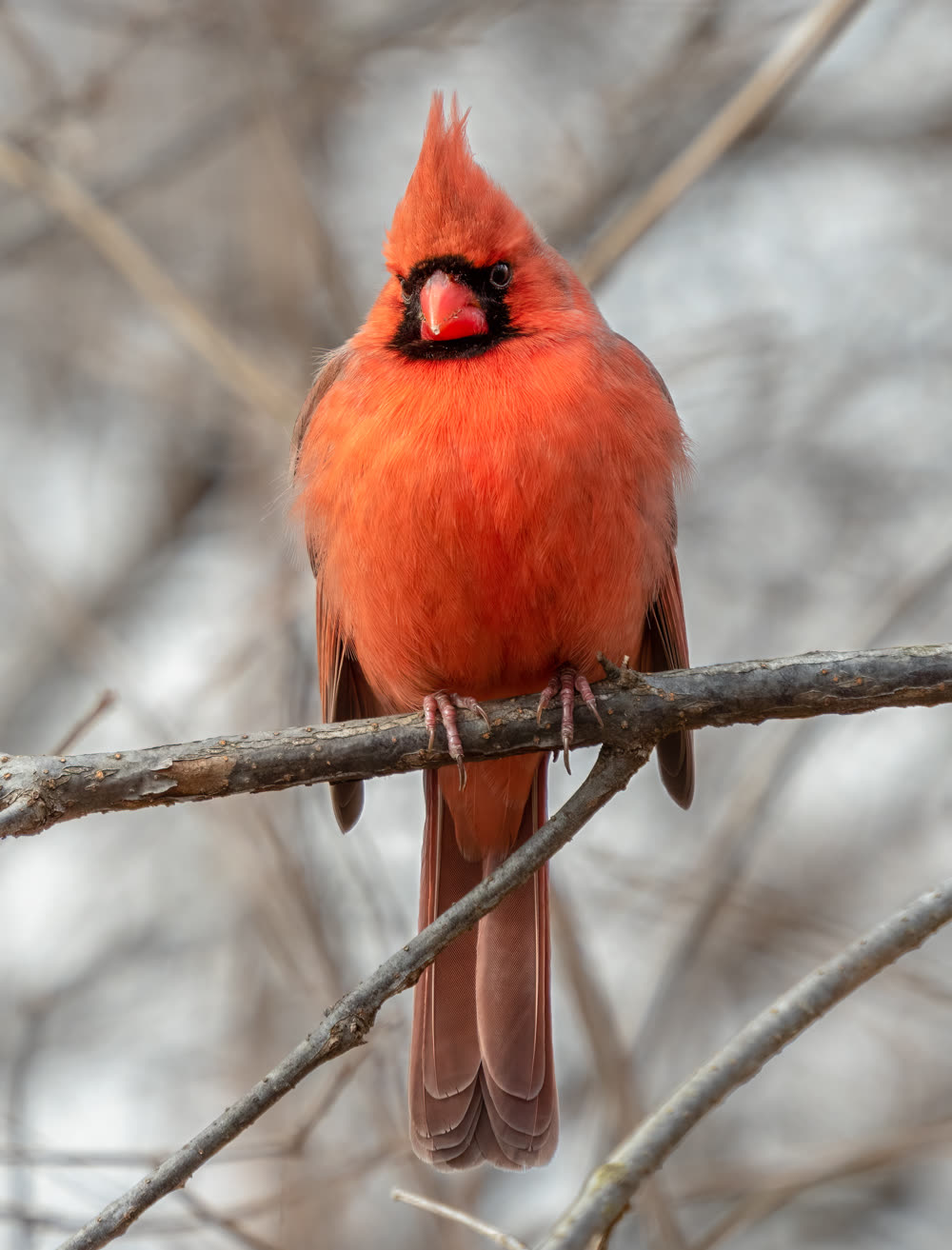
Northern Cardinal
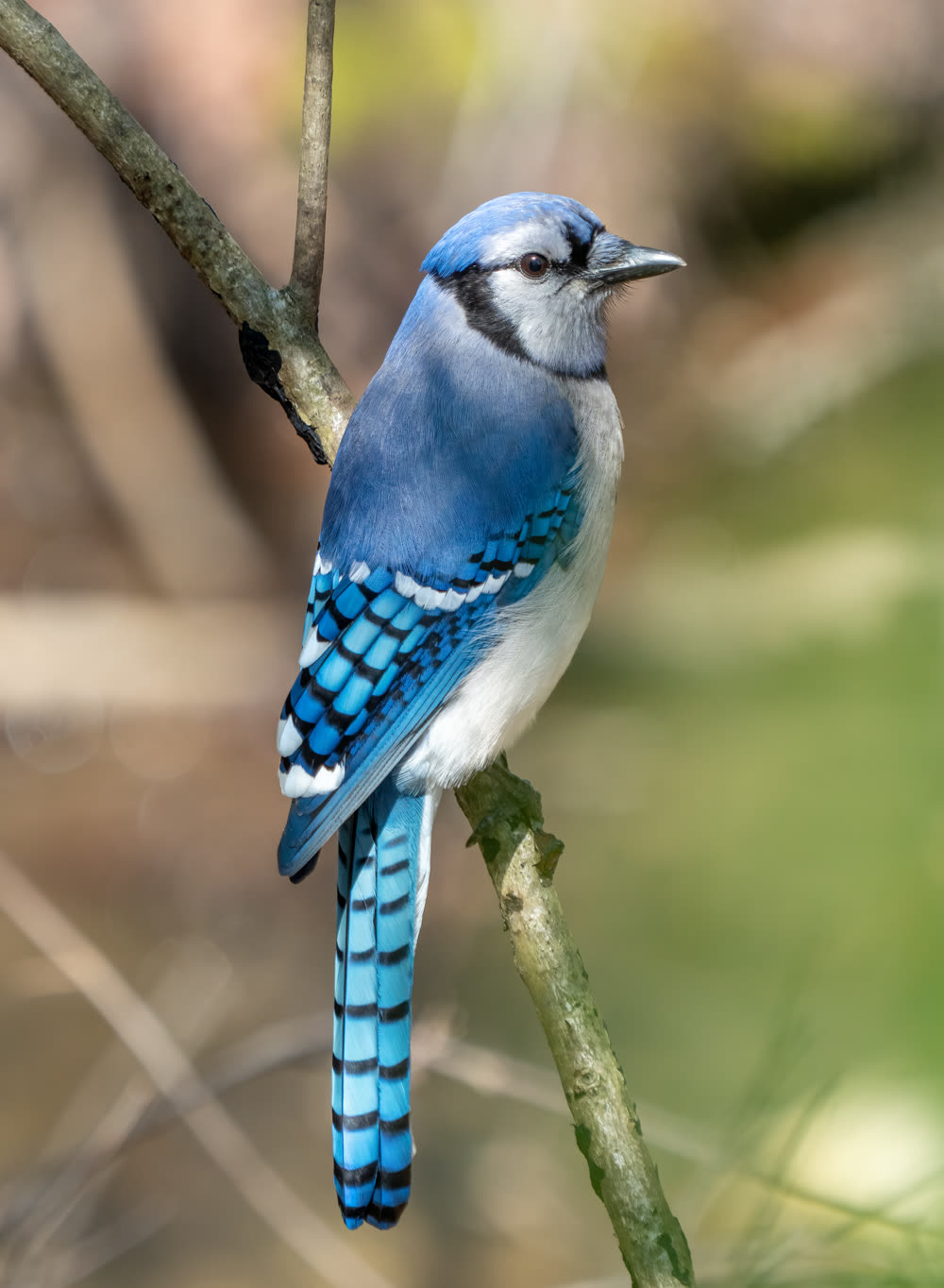
Blue Jay
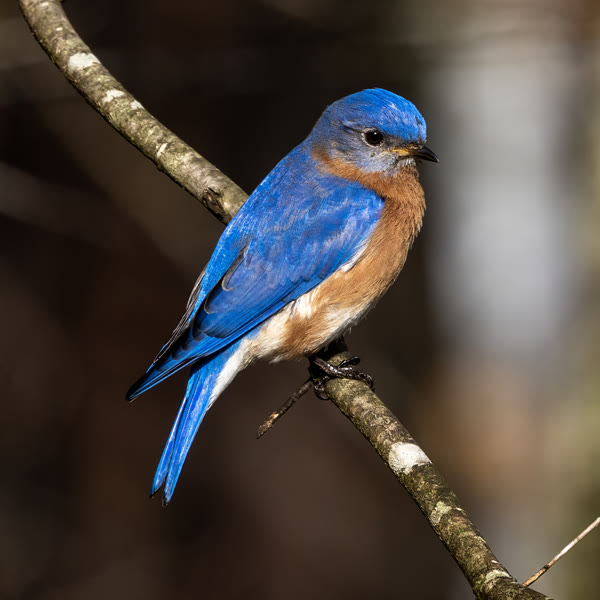
Eastern Bluebird
Warbler