Northern Cardinal: The Ultimate Guide to Identifying and Attracting America's Favorite Bird
The Northern Cardinal (Cardinalis cardinalis) is arguably the most beloved bird in North America. Its brilliant crimson plumage, distinctive crest, and powerful, melodious song make it instantly recognizable to bird watchers of all skill levels. Whether you spot a male flashing electric red against a snowy backdrop or a female offering subtle warmth in her buffy-tan feathers, cardinals are a gift that brightens any backyard.
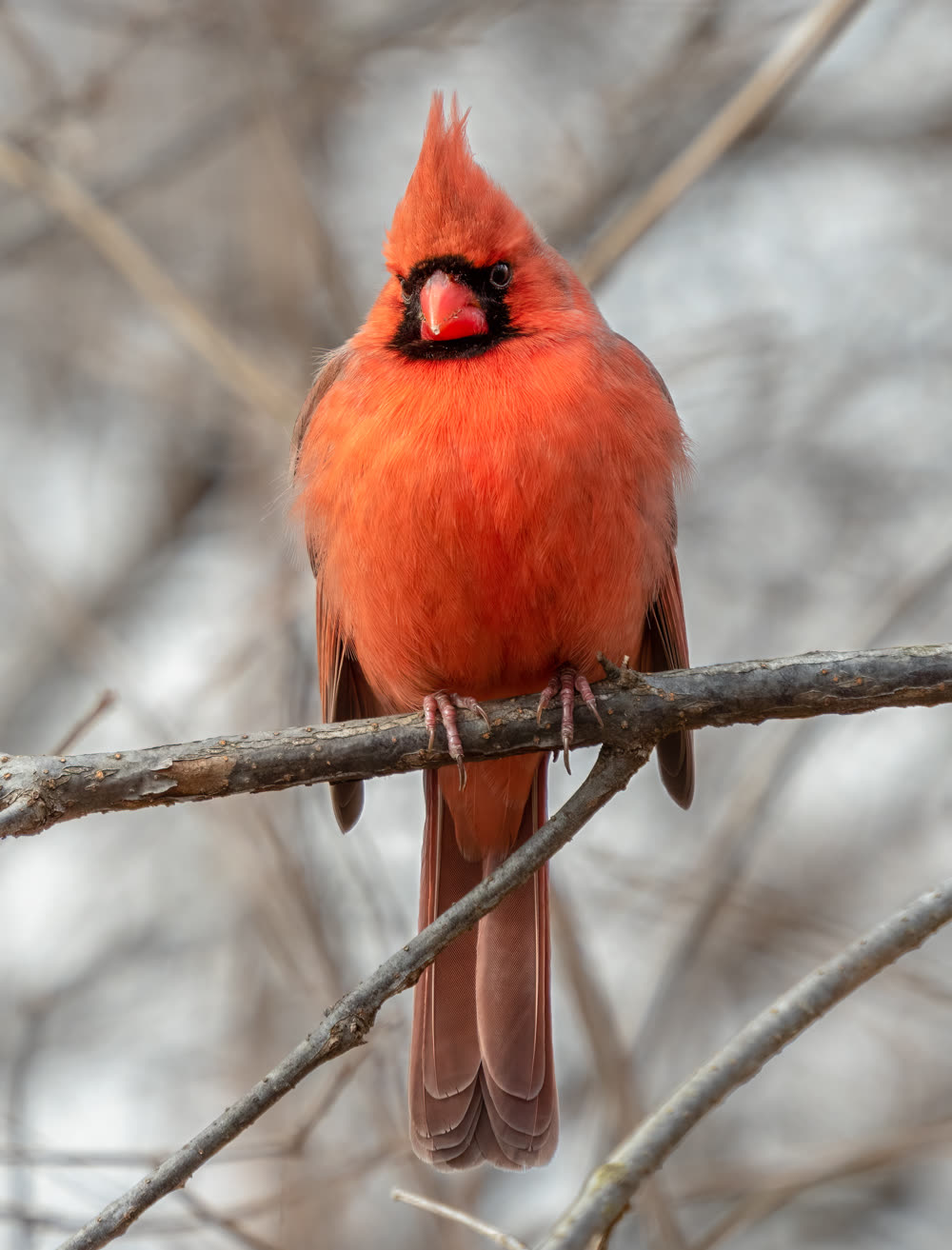
Northern Cardinal
Cardinalis cardinalis
The Northern Cardinal is a non-migratory songbird found year-round across eastern and central North America. Males are famous for their all-over brilliant red plumage with a black face mask and bold orange bill. Females are warm tan-brown with red accents on the crest, wings, and tail. Their prominent crest can be raised or lowered depending on mood — erect when excited, flat when relaxed.
Fun Fact: Northern Cardinals can sing year-round, including during winter months. Males often sing to establish territory even in the dead of winter, which is unusual among songbirds.
Physical Characteristics
Male Northern Cardinals are famous for their all-over brilliant red plumage, from the tip of their crest to the base of their tail. Their face is black, forming a striking mask that contrasts sharply with the red. This black mask extends from the base of the bill, around the eyes, and onto the throat. The bill is a bold, thick orange cone — perfectly adapted for cracking seeds. Cardinals measure about 8 inches tall with a wingspan of nearly 10 inches, making them slightly larger than a robin.
Female cardinals are more subtly colored, with a warm tan-brown body accented by red on the crest, wings, and tail. Their faces show the same black mask pattern as males, though less intensely. Juveniles resemble females but with duller coloring and a shorter crest. As they mature, young cardinals develop full adult plumage within their first year.
Northern Cardinal Photos
Northern Cardinal perched on a branch
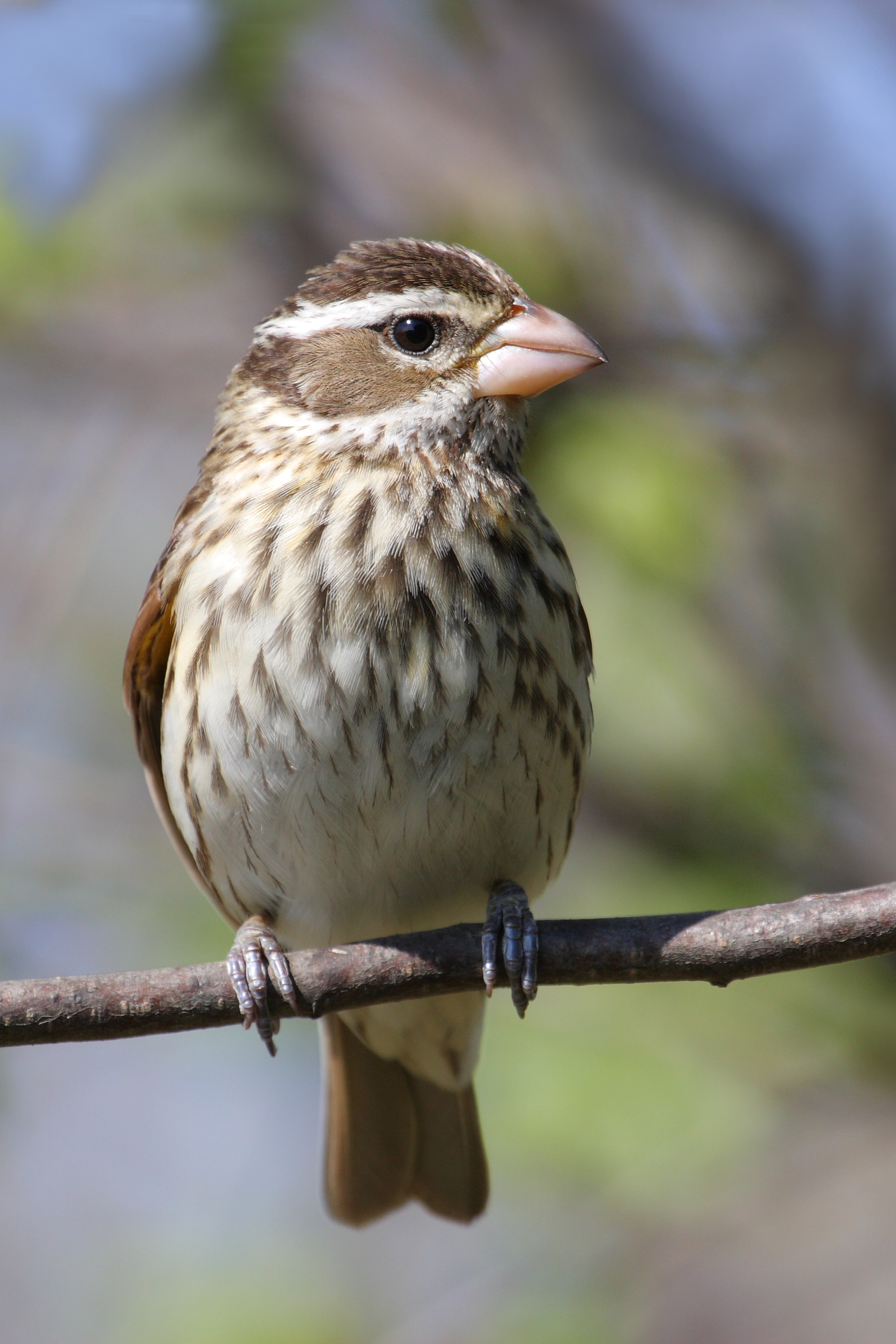
Goldfinch at feeder
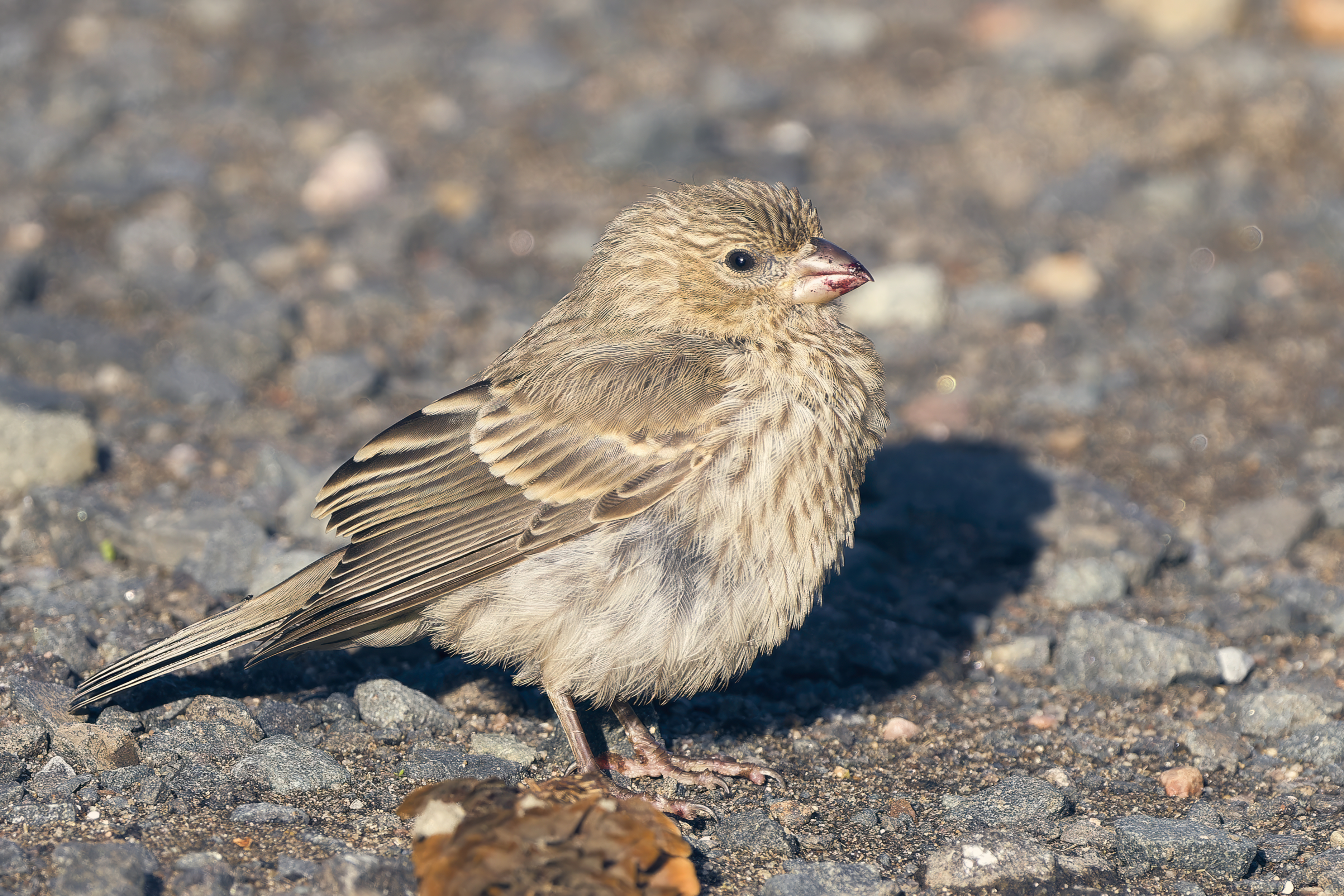
House Finch in garden
Habitat and Range
Northern Cardinals are year-round residents across much of the eastern and central United States, extending into southern Canada and down through Mexico and Central America. They thrive in edge habitats — the transitional zones between forests and open areas. You will find them in woodland edges, thickets, overgrown fields, gardens, parks, and suburban neighborhoods. They prefer areas with dense shrubbery for cover and open ground for foraging.
Best Viewing Spots
Cardinals love the edges of properties where trees meet open fields. Visit fence lines, hedgerows, and the borders of wooded areas early in the morning for the best chances of spotting them.
Cardinals are non-migratory, meaning they stay in their home range throughout the year. This territorial behavior means that if you attract cardinals to your yard, they are likely to become regular visitors all year round. They are comfortable in urban, suburban, and rural environments alike, as long as adequate cover and food sources are available.
Diet and Feeding Behavior
Northern Cardinals are primarily seed eaters. Their thick, conical bills are perfectly designed for cracking sunflower seeds, safflower seeds, millet, and wheat. They also consume insects during the breeding season, eating caterpillars, beetles, crickets, and grasshoppers to provide protein for themselves and their chicks. In autumn and winter, cardinals forage on the ground beneath shrubs and trees, scratching through leaf litter for fallen seeds.
Cardinal Dietary Preferences
Songs and Calls
The Northern Cardinal is one of the most vocal birds in North America. Males sing throughout the year, including during winter months, which is unusual for songbirds. Their song is a clear, bright 'cheer-cheer-cheer' or 'birdy-birdy-birdy' repeated three to four times per phrase, with several phrases sung in succession. The song is often described as one of the most beautiful melodies in the avian world.
Northern Cardinal Song
Typical cardinal song: a bright, clear 'cheer-cheer-cheer' repeated in musical phrases
Females also sing, particularly during the breeding season, when they use songs to communicate with their mates and establish territory. Cardinals produce a variety of calls: a sharp 'chip' or 'chick-a-dee' alarm call, a soft 'tsit' contact call, and a harsh 'churr' when agitated. Understanding these vocalizations helps you locate cardinals even when you cannot see them.
Breeding and Family Life
Cardinals typically begin nesting in late spring. The female alone builds the nest — a cup-shaped structure woven from twigs, vines, and grapevine bark, often placed 3 to 6 feet above the ground in dense shrubs or small trees. She lines the interior with smoother materials like grass stems and pine needles. A female may raise two to three broods per season, laying three to five pale green eggs each time. Incubation lasts 11 to 12 days, and both parents feed the chicks until they fledge at about 9 to 11 days old.
Pair Bonds
Cardinals are known for their strong pair bonds. Many pairs mate for life and maintain shared territories year after year. This loyalty makes them predictable and rewarding subjects for observation.
Attracting Cardinals to Your Backyard
5 Ways to Attract Cardinals
- Plant dense shrubs like lilac, forsythia, or dogwood near your feeder area
- Offer black oil sunflower seeds on a platform or hopper feeder positioned near cover
- Install a shallow birdbath with a rough surface for easy footing
- Place a tray feeder near the base of a bush — cardinals prefer ground-level feeding
- Keep feeders full year-round; cardinals are territorial and will defend a reliable food source
To attract cardinals, provide a combination of food, water, and shelter. Plant dense shrubs like lilac, forsythia, or dogwood near your feeder area. Offer black oil sunflower seeds on a platform or hopper feeder positioned near cover. Install a shallow birdbath with a rough surface for easy footing. Cardinals prefer to feed on the ground or in low vegetation, so placing a tray feeder near the base of a bush can be very effective.
AI-Powered Cardinal Watching
An AI-powered smart bird feeder like ours takes cardinal watching to the next level. The built-in camera captures stunning 1080P HD photos and videos of every cardinal visit. The AI species recognition identifies the bird instantly and logs your sighting. Over time, you build a comprehensive journal of cardinal behavior, breeding cycles, and seasonal patterns — all automated.
Conservation Status
Cardinal Population Facts
The Northern Cardinal is classified as a species of Least Concern by the IUCN. Its population is estimated at 127 million individuals and has actually increased over the past 50 years, largely thanks to habitat adaptation and the popularity of bird feeders. Conservation organizations encourage backyard birders to continue supporting cardinal populations by maintaining native plantings and avoiding pesticide use.
Q: Do Northern Cardinals migrate?
A: No, Northern Cardinals are non-migratory year-round residents. They stay in their home range throughout the year, making them reliable backyard visitors in winter as well as summer.
Q: What is the best food for cardinals?
A: Black oil sunflower seeds are their absolute favorite. Safflower seeds are another excellent choice, particularly if you want to deter squirrels, as cardinals can crack them easily while squirrels struggle.
Featured Birds
Northern Cardinal
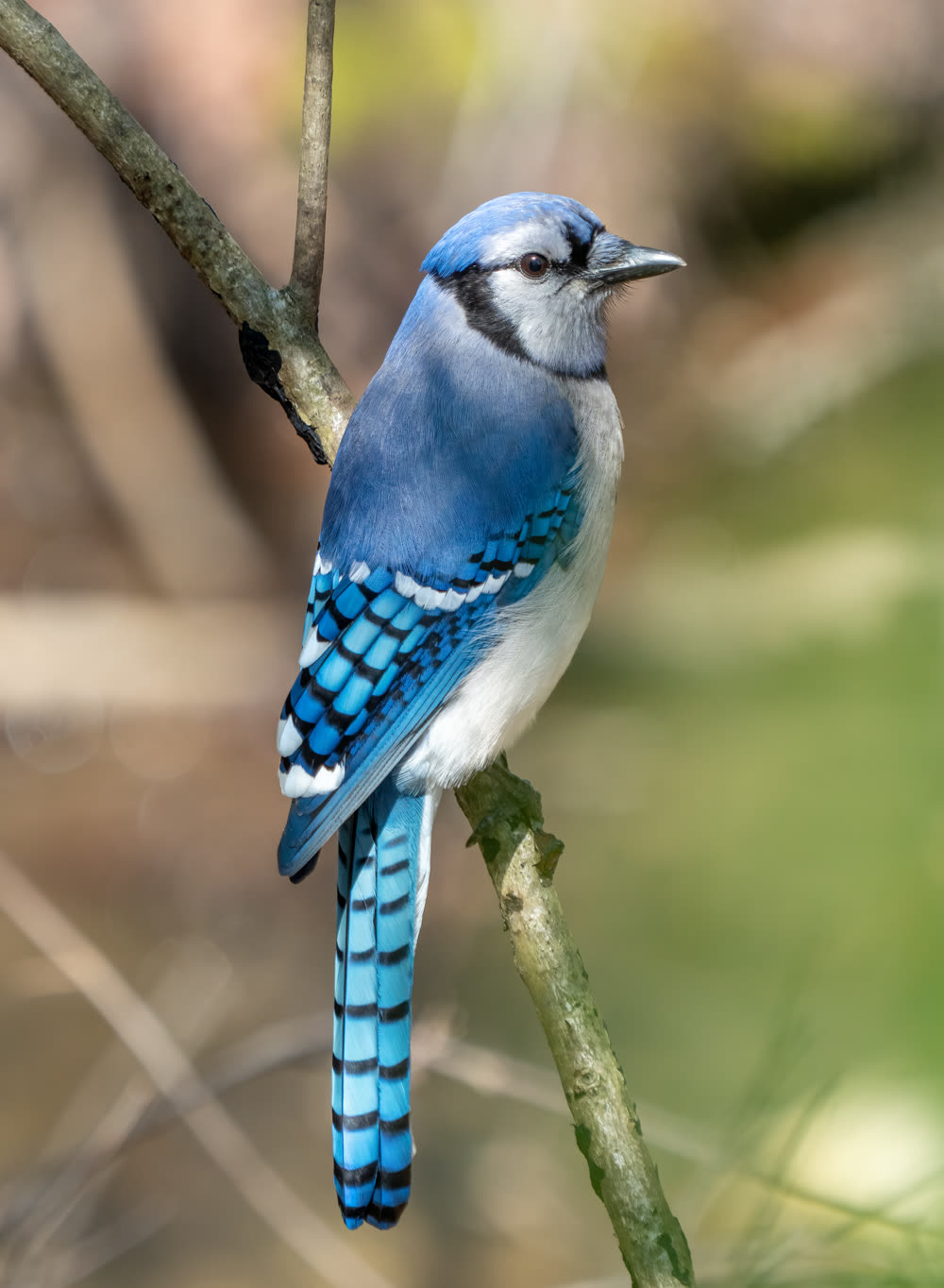
Blue Jay
Eastern Bluebird
Warbler