Blue Jay Identification: Complete Guide to North America's Most Intelligent Bird
The Blue Jay (Cyanocitta cristata) is one of the most charismatic and intelligent birds in North America. With its striking blue, white, and black plumage, bold crest, and raucous vocalizations, the Blue Jay demands attention wherever it appears. But beyond its vivid appearance lies a bird of extraordinary cognitive ability — one that can mimic the calls of hawks, solve complex puzzles, and even recognize itself in mirrors.
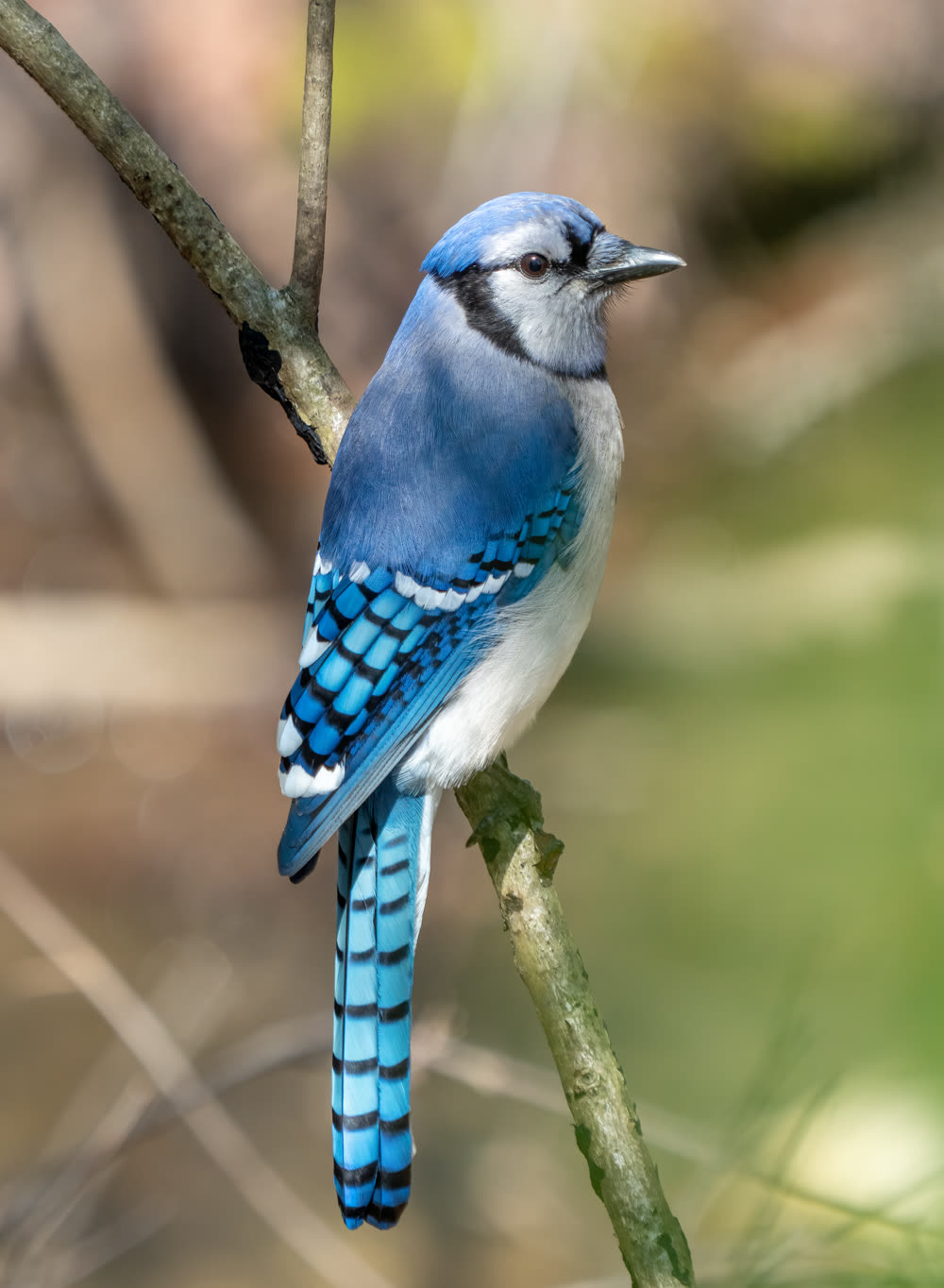
Blue Jay
Cyanocitta cristata
Blue Jays are 10 to 12 inches long with a wingspan of 17 to 25 inches. Their most obvious feature is the brilliant blue upperparts — head, back, wings, and tail — contrasted with a white underside and underwings. Black markings form a necklace around the throat, bars on the wings, and a tip on the tail. The crest is erectile and can be raised in excitement or flattened when the bird is calm.
Fun Fact: Blue Jays can mimic the calls of Cooper's Hawks, causing smaller birds to flee. This 'mobbing call' is a sophisticated deception that scares competitors away from food sources.
Blue Jay in Action
Blue Jay perched on a branch
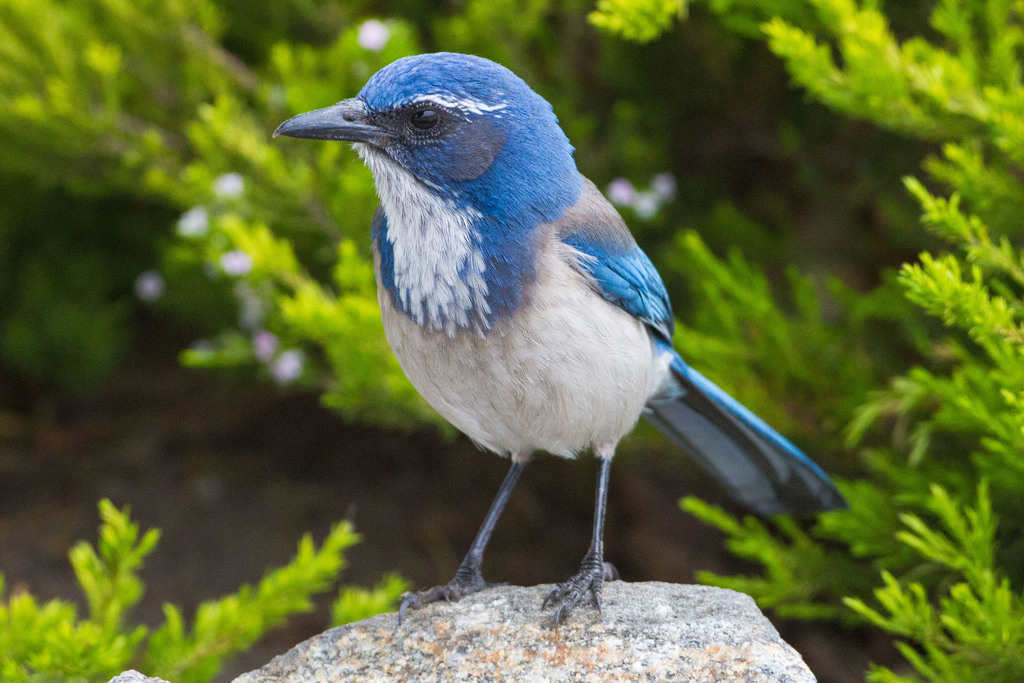
California Jay in coastal habitat
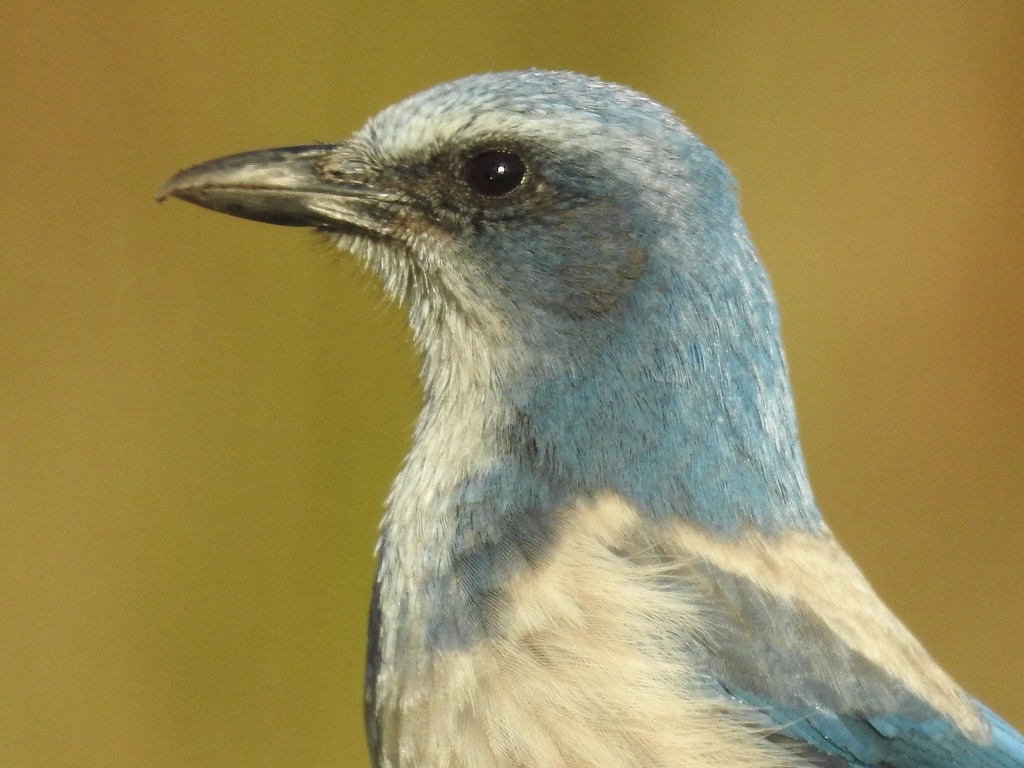
Florida Jay in pine forest
Intelligence and Behavior
Blue Jays rank among the most intelligent bird species. Studies have shown they can plan for future needs, manipulate objects, and understand causal relationships. They are capable of mimicking the calls of other species, including the Cooper's Hawk — a predator that causes smaller birds to flee. This 'mobbing call' is a sophisticated deception that serves multiple purposes: scaring competitors away from food and warning other birds of danger.
Watch for Crest Behavior
A raised crest means the Blue Jay is excited or alert. A flat crest means it's calm. This is one of the easiest ways to read their mood in real time.
Diet and Foraging Behavior
Blue Jays are omnivorous opportunists. Their diet includes acorns, walnuts, beechnuts, seeds, insects, bird eggs, and small vertebrates. They are famously known as 'oak woodpeckers' — storing hundreds of acorns in tree bark crevices for later consumption. This caching behavior actually helps reforest forests, as many stored acorns are forgotten and germinate into new oak trees.
Blue Jay Quick Facts
Blue Jay Call
The classic loud 'jay-jay' call that gives the bird its name
Attracting Blue Jays
Top Foods for Blue Jays
Q: Are Blue Jays aggressive?
A: Yes, Blue Jays are bold and can be aggressive at feeders, often dominating smaller birds. They are not dangerous but will assert dominance over food sources.
Featured Birds
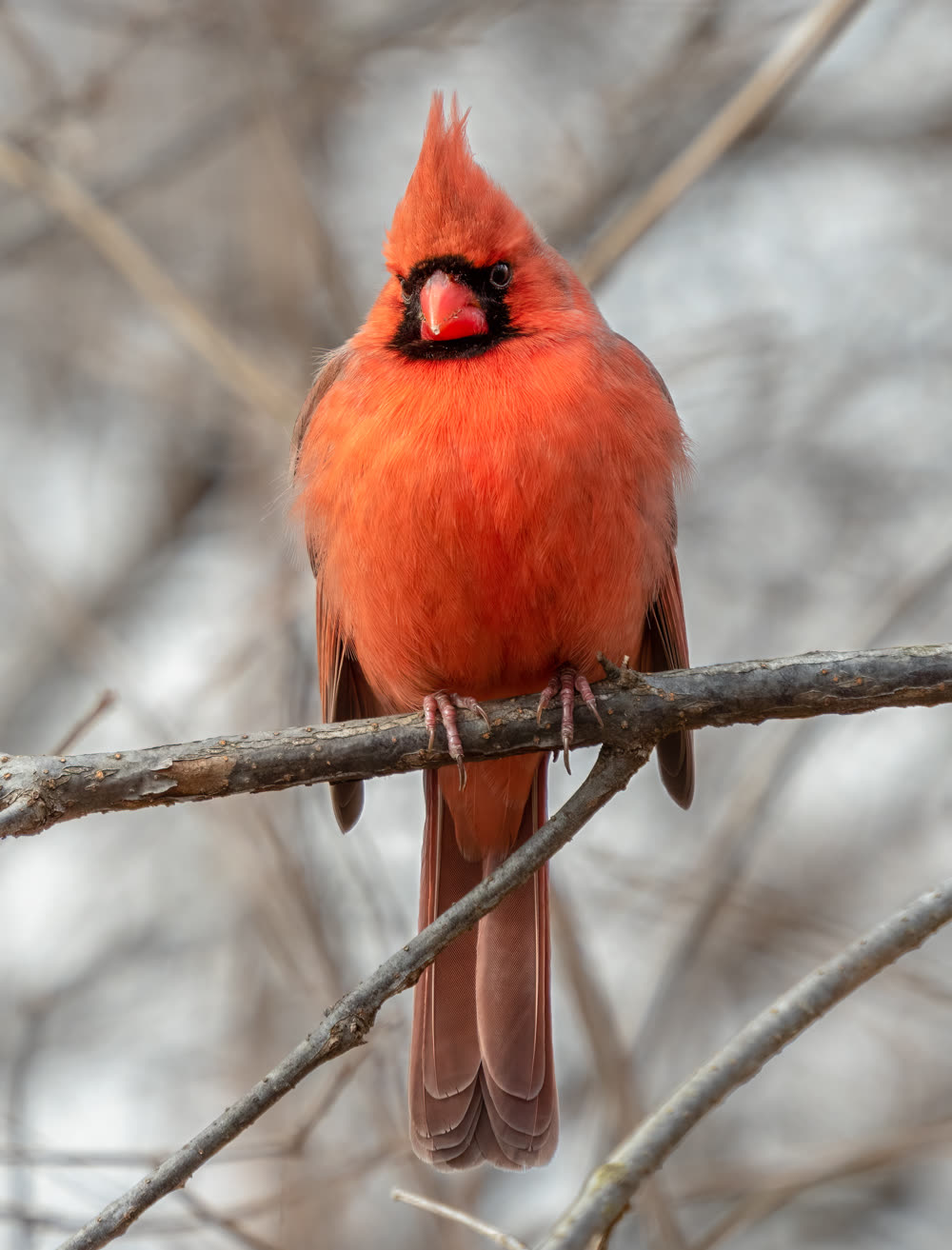
Northern Cardinal
Blue Jay
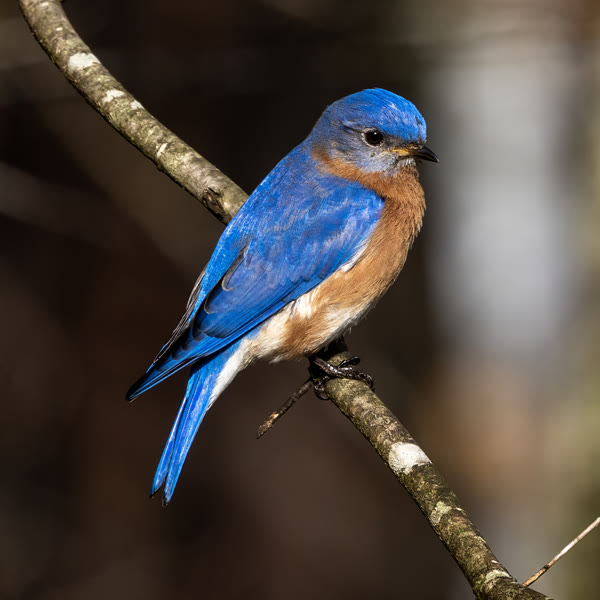
Eastern Bluebird
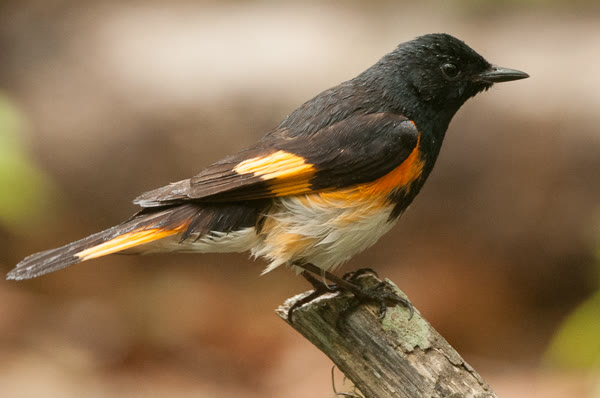
Warbler