Winter Birding Guide: Keeping Birds at Feeders Through the Cold Months
Winter birding offers a completely different set of species and behaviors compared to the rest of the year. While many birds migrate south, others — the true residents — adapt to cold weather with remarkable strategies. Understanding winter bird ecology helps you attract and identify the species that stay through snow and ice.
Winter Resident Species
Common Winter Visitors
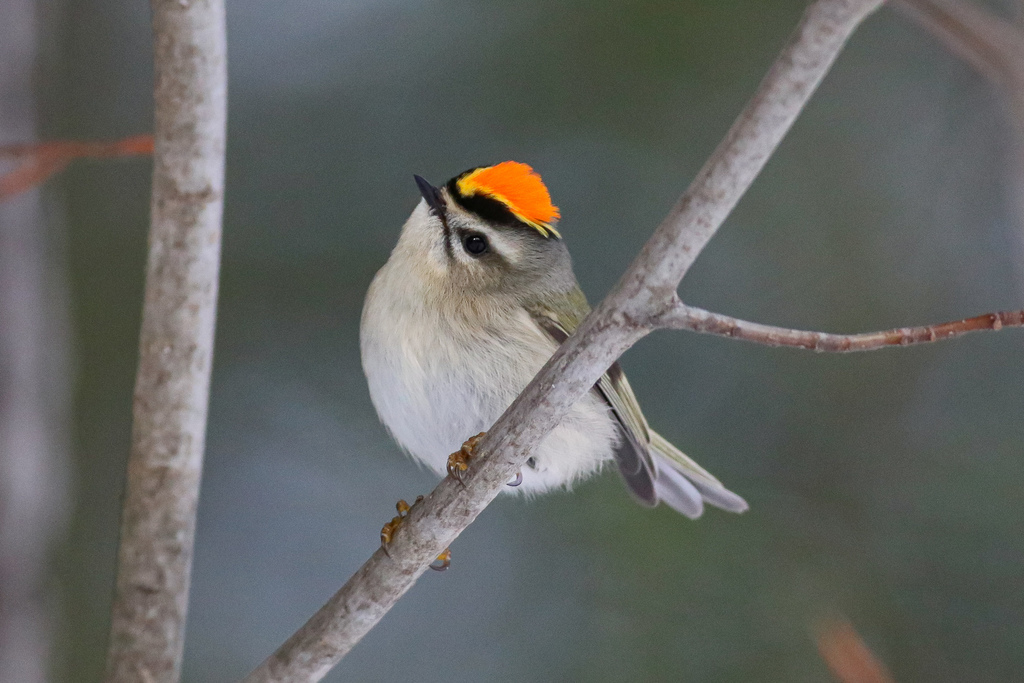
Black-capped Chickadee
Poecile atricapillus
The Black-capped Chickadee is the most beloved winter visitor to North American feeders. Its bold personality, constant chatter, and ability to survive sub-zero temperatures make it a winter icon.
Fun Fact: Chickadees lower their body temperature at night to conserve energy, dropping their core temperature from 104°F to about 86°F while they roost in enclosed cavities or nest boxes.
Winter Bird Species
Black-capped Chickadee at feeder
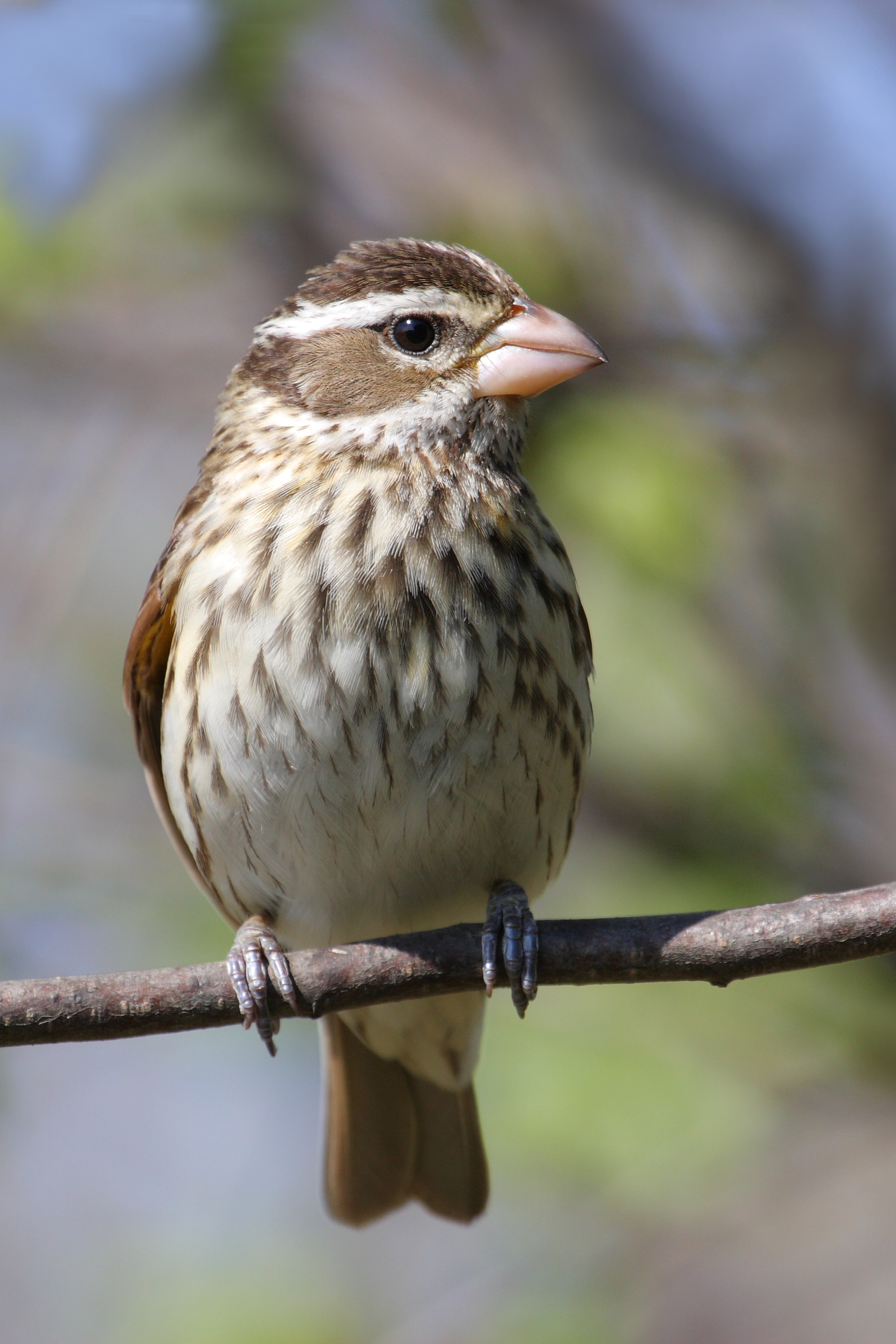
Goldfinch in winter plumage
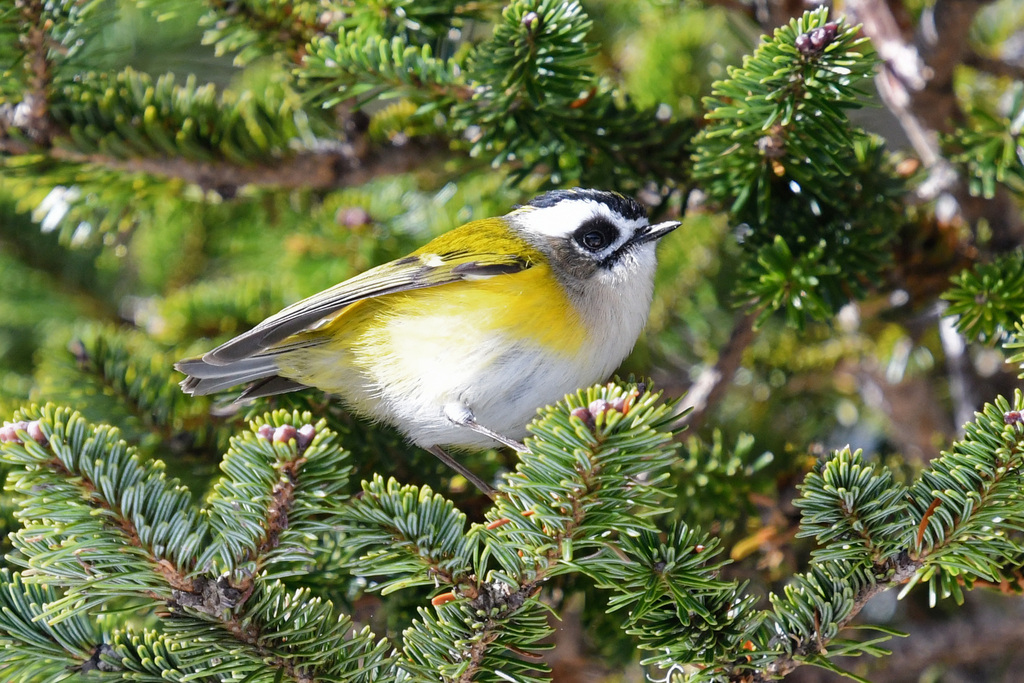
Ruby-crowned Kinglet in winter shrub
Chickadee Call
Chick-a-dee-dee-dee — the iconic chickadee contact call
Winter Feeding Strategies
Best Winter Foods
Winter Survival
Birds survive winter through a combination of strategies: puffing feathers for insulation, finding sheltered roosting sites, lowering metabolic rate at night, and switching to higher-fat foods. Our AI Smart Bird Feeder's heated design prevents ice buildup, ensuring continuous access to food through the coldest months.
Ice Prevention
Feeders that freeze shut can starve birds. Our AI Smart Bird Feeder includes a built-in heating element and anti-freeze design, keeping food accessible even in -20°F temperatures.
Winter Irruptions
Some northern species irregularly descend south in winter when food is scarce — a phenomenon called irruption. Pine Siskins, Redpolls, Crossbills, and Evening Grosbeaks can appear in unprecedented numbers during irruption years. Watch for these visitors during harsh winters in the boreal forest.
Winter Birding Tips
- Start feeders in fall so birds learn your location
- Keep feeders full — birds expend 15% of body weight daily
- Provide unfrozen water — the #1 winter need
- Dress warmly and bring binoculars to wooded areas
- Listen for crossbill calls in coniferous forests
Winter Birding Stats
Q: Should I keep feeders up all winter?
A: Yes! Many birds depend on feeders through winter. However, clean them regularly to prevent disease. Remove and scrub with a 10% bleach solution monthly.
Featured Birds
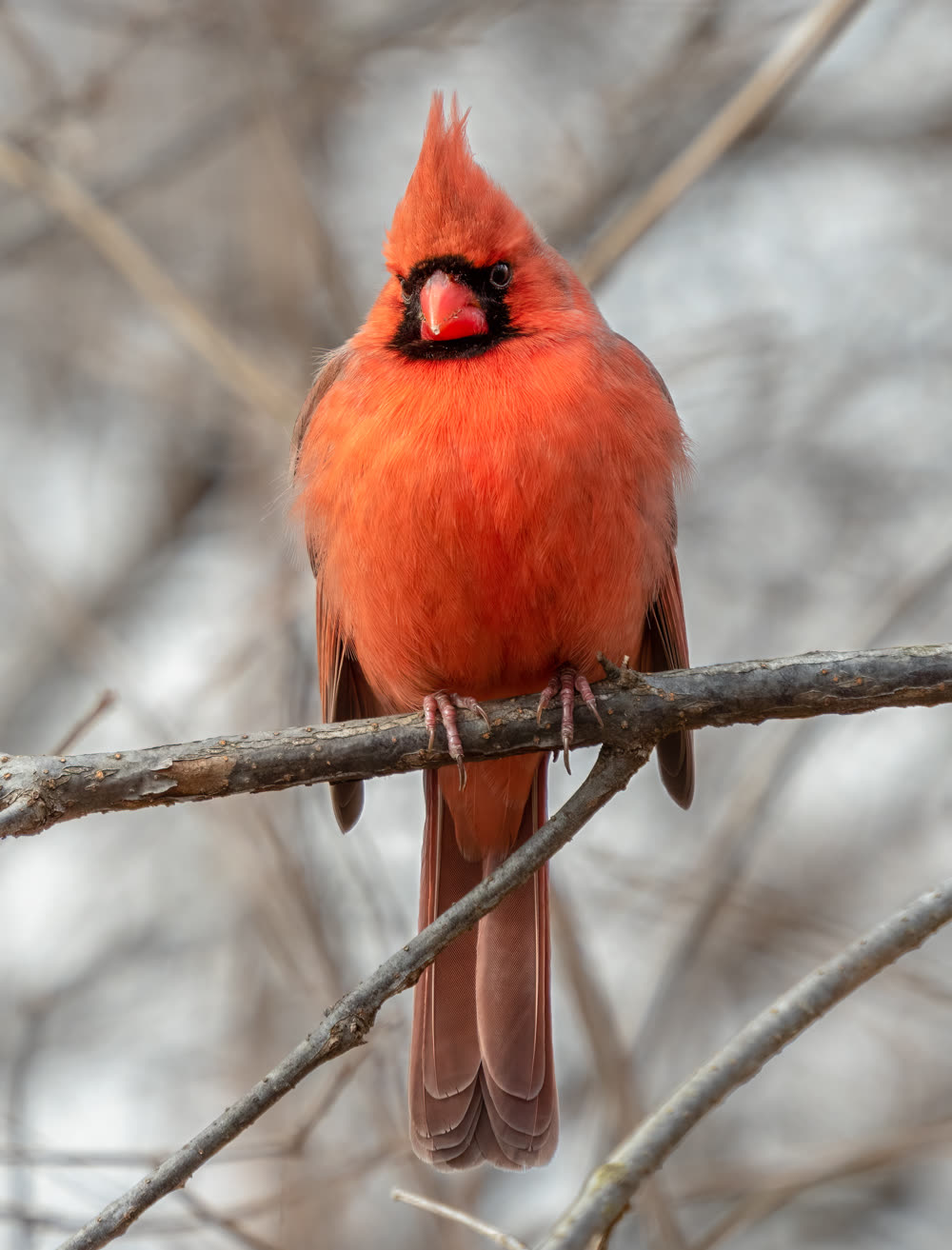
Northern Cardinal
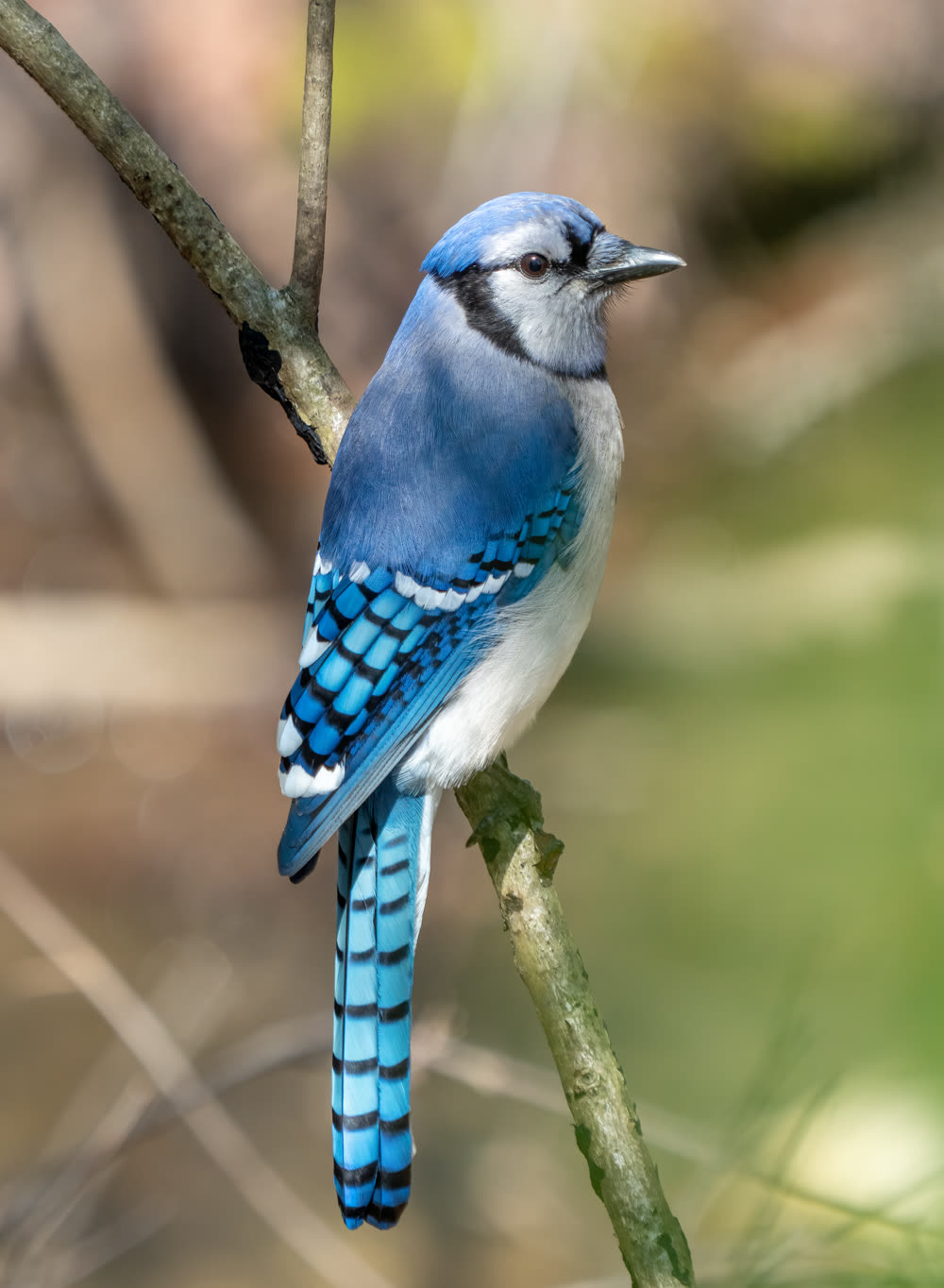
Blue Jay
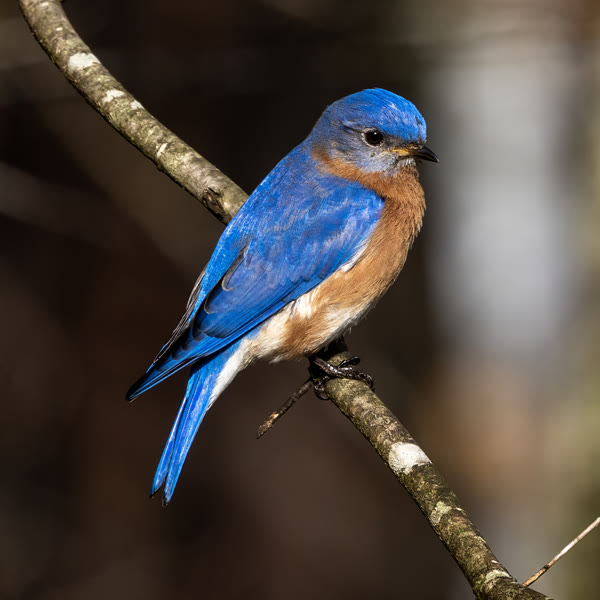
Eastern Bluebird
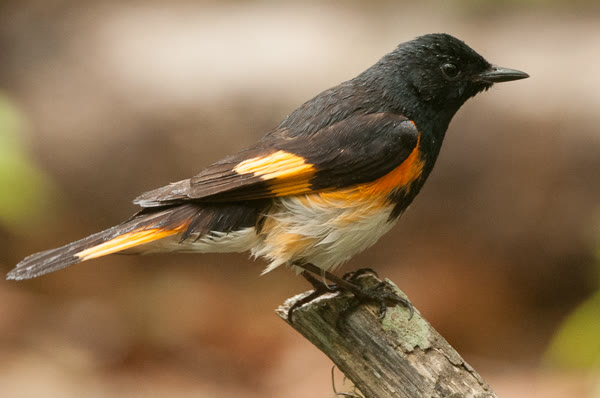
Warbler