Waterproof Bird Feeders: IP Ratings, Weather Resistance, and Durability
Bird feeders sit outdoors in all weather conditions — rain, snow, hail, UV radiation, and extreme temperatures. A quality feeder must protect both the seed inside and any electronics within from moisture damage. Understanding IP (Ingress Protection) ratings helps you choose a feeder built to last.
Understanding IP Ratings
IP Rating Guide
Weather Resistance for Smart Feeders
Smart bird feeders face additional challenges: electronics must be sealed against moisture while maintaining ventilation to prevent condensation. Quality manufacturers use gasketed enclosures, conformal coating on circuit boards, and desiccant packs to manage humidity.
Weather Performance
Seed Protection
Wet seed is useless to birds and can grow dangerous mold. A waterproof feeder seals seed from rain while allowing birds to access food. Our AI Smart Bird Feeder features a sealed seed chamber with a bird-activated gate — seed stays dry until a bird triggers the opening mechanism.
Feeder Maintenance in Extreme Weather
- Clean and sanitize monthly, more often in wet weather
- Remove snow buildup from solar panels in winter
- Store seed indoors in airtight containers
- Inspect seals and gaskets seasonally for wear
- Apply dielectric grease to electrical contacts annually
Q: Can I leave my smart feeder outside in winter?
A: Yes, quality smart feeders are rated for outdoor use in temperatures down to -20F. Ensure the seed tray heater is functioning and clear snow from the feeding platform regularly.
Featured Birds
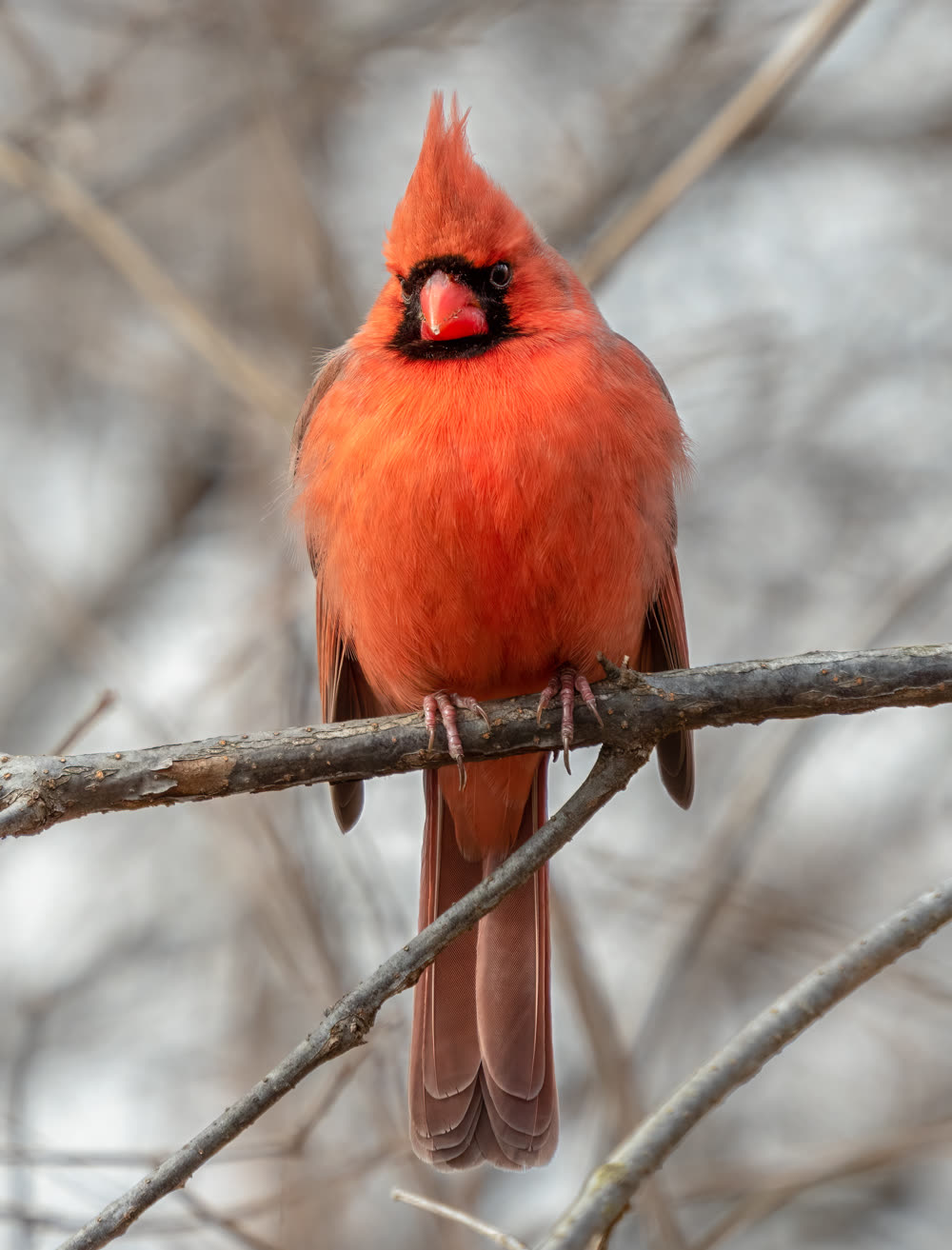
Northern Cardinal
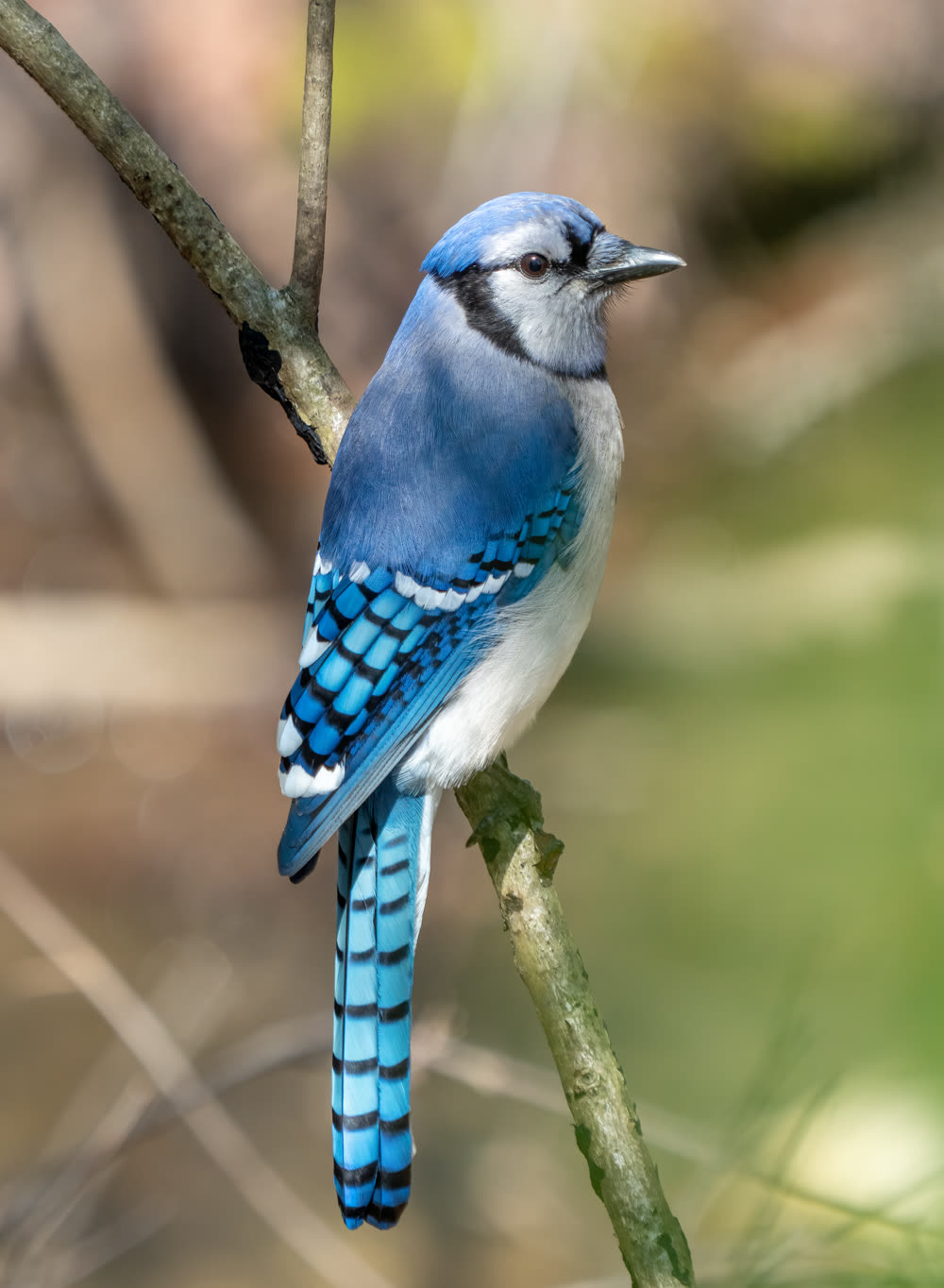
Blue Jay
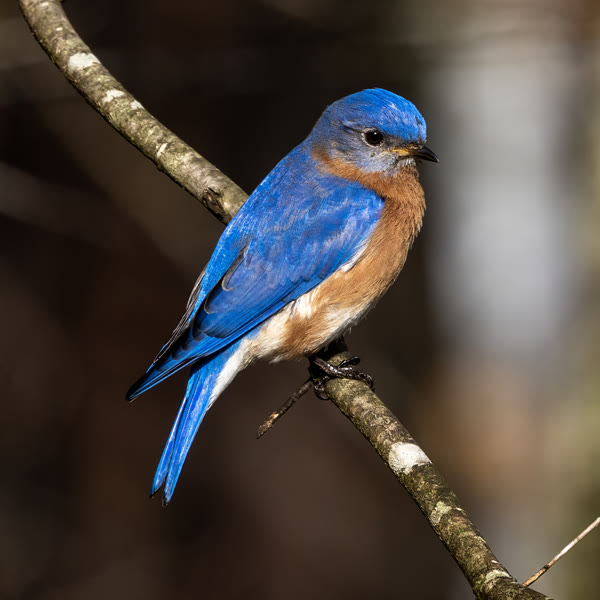
Eastern Bluebird
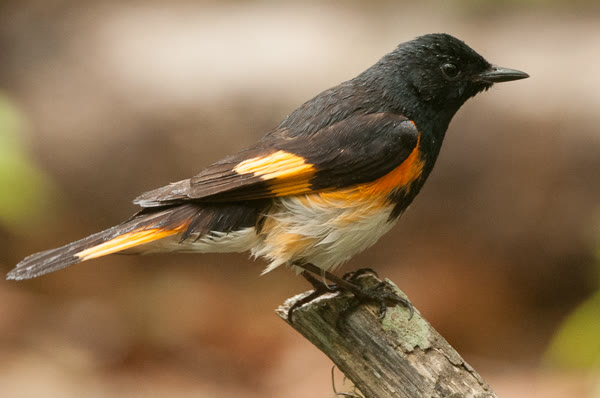
Warbler