Songbird Identification: The Complete Guide to North America's Musical Birds
Songbirds — or passerines — comprise over 400 species in North America alone. They are the birds we hear every morning, the ones that paint our yards with color and music. Learning to identify songbirds by their songs is one of the most satisfying skills in bird watching, and our AI Smart Bird Feeder combines visual and audio identification for the ultimate experience.
The Songbird Family Tree
Oscine songbirds learn their songs, while suboscines produce innate calls. Most familiar songbirds — sparrows, warblers, thrushes, finches — are oscines. This learned component means regional dialects exist, adding another layer of complexity to identification.
Top 10 Singers
Wood Thrush Song
Ethereal, fluting song — often called the most beautiful in North America
Robin Song
Bright, cheerful 'cheerily, cheer-up, cheer-o'
Songbird Species Gallery
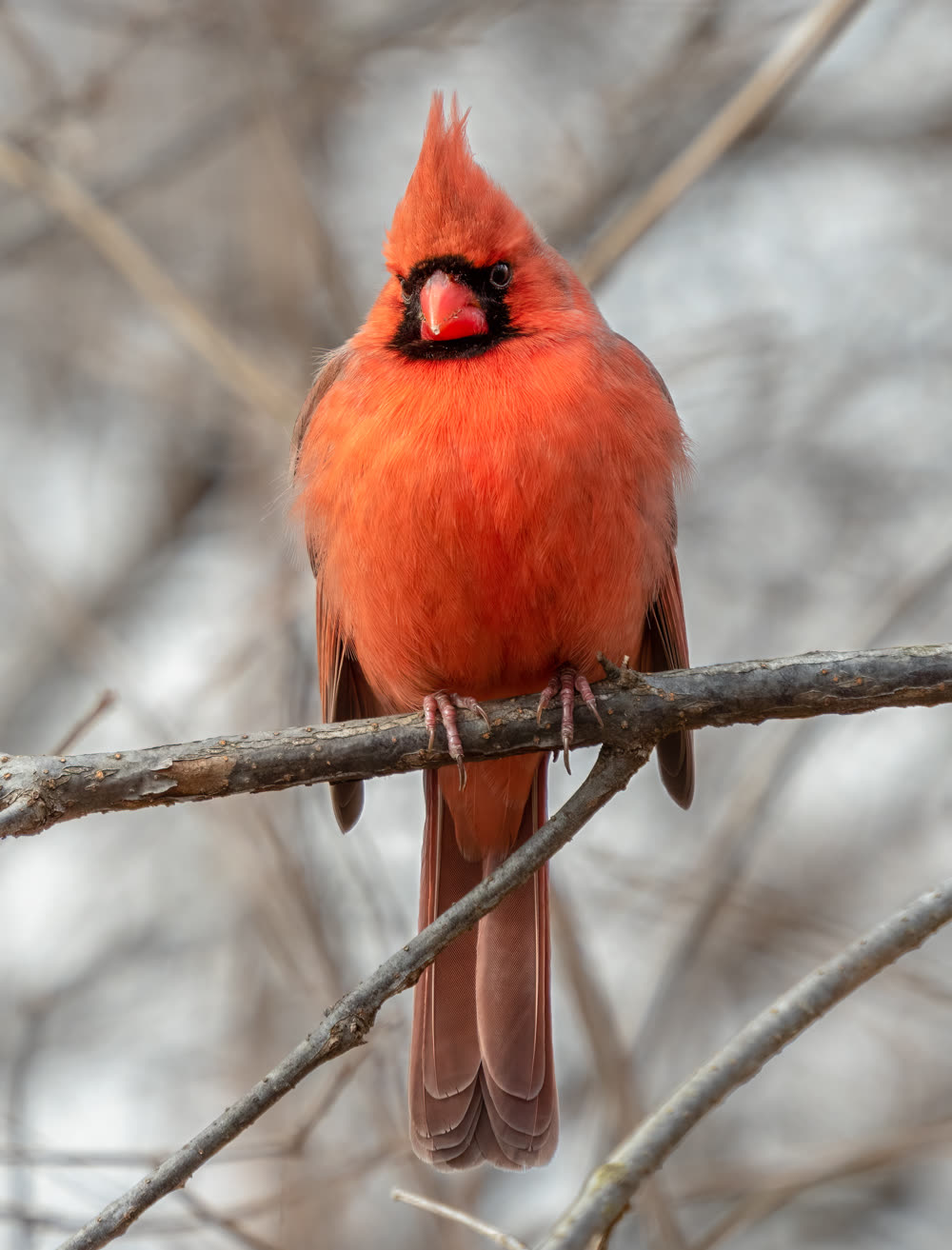
Northern Cardinal — brilliant singer
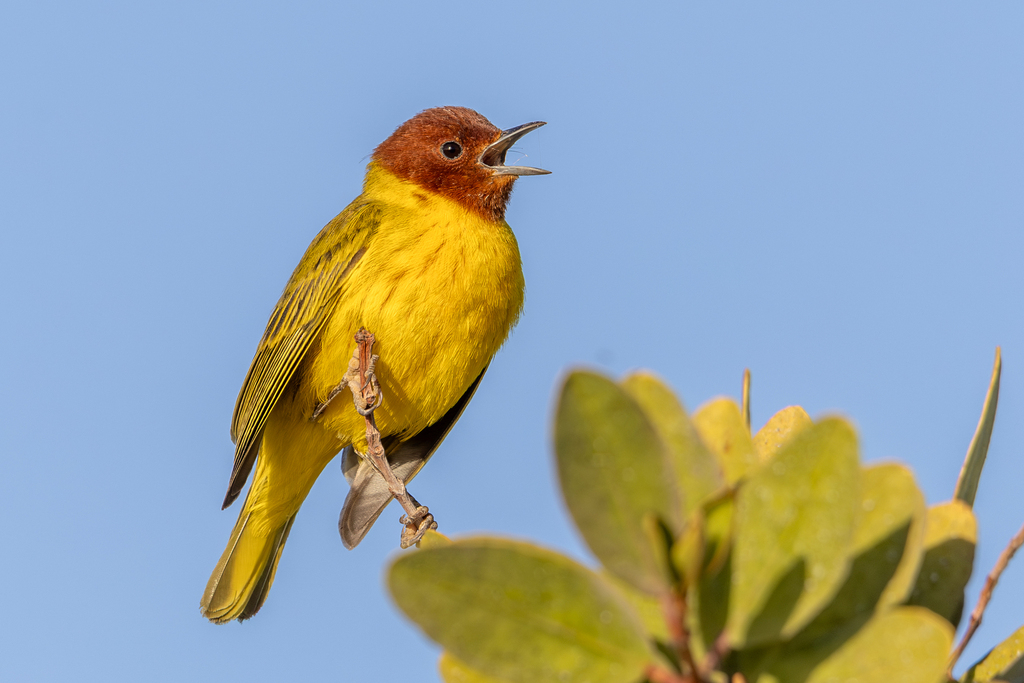
Yellow Warbler — sweet sweet sweet
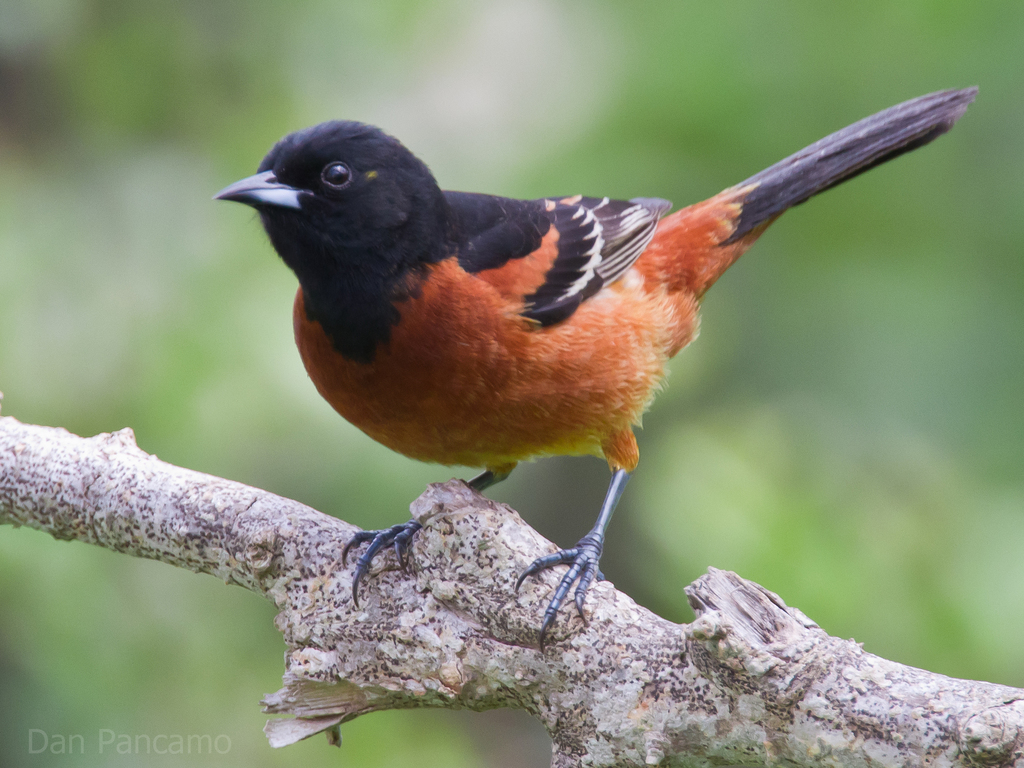
Baltimore Oriole — varied repertoire
Listening Skills
Record songs using apps, practice with field guides, and listen daily. Our AI Smart Bird Feeder captures audio and visual data simultaneously, helping you identify songbirds by both sight and sound. The AI database includes 10,000+ species with audio samples for comparison.
Improving Your Listening Skills
- Listen during dawn chorus (first 2 hours after sunrise) — most active singing time
- Use the Merlin Bird ID app's Song Identifier feature
- Practice with one species at a time until you can identify it by ear
- Keep a listening journal noting which songs you hear each day
- Attend local birding walks to learn from experienced listeners
Seasonal Changes
Spring brings the most elaborate singing as males establish territories. Summer sees reduced singing except for contact calls. Fall and winter are quieter, but some species like the Mockingbird sing year-round.
Songbird Statistics
Q: Why do birds sing at dawn?
A: The dawn chorus is when sound travels furthest in cool, humid air. Males sing to establish territory and attract mates before competition from other males increases throughout the day.
Featured Birds
Northern Cardinal
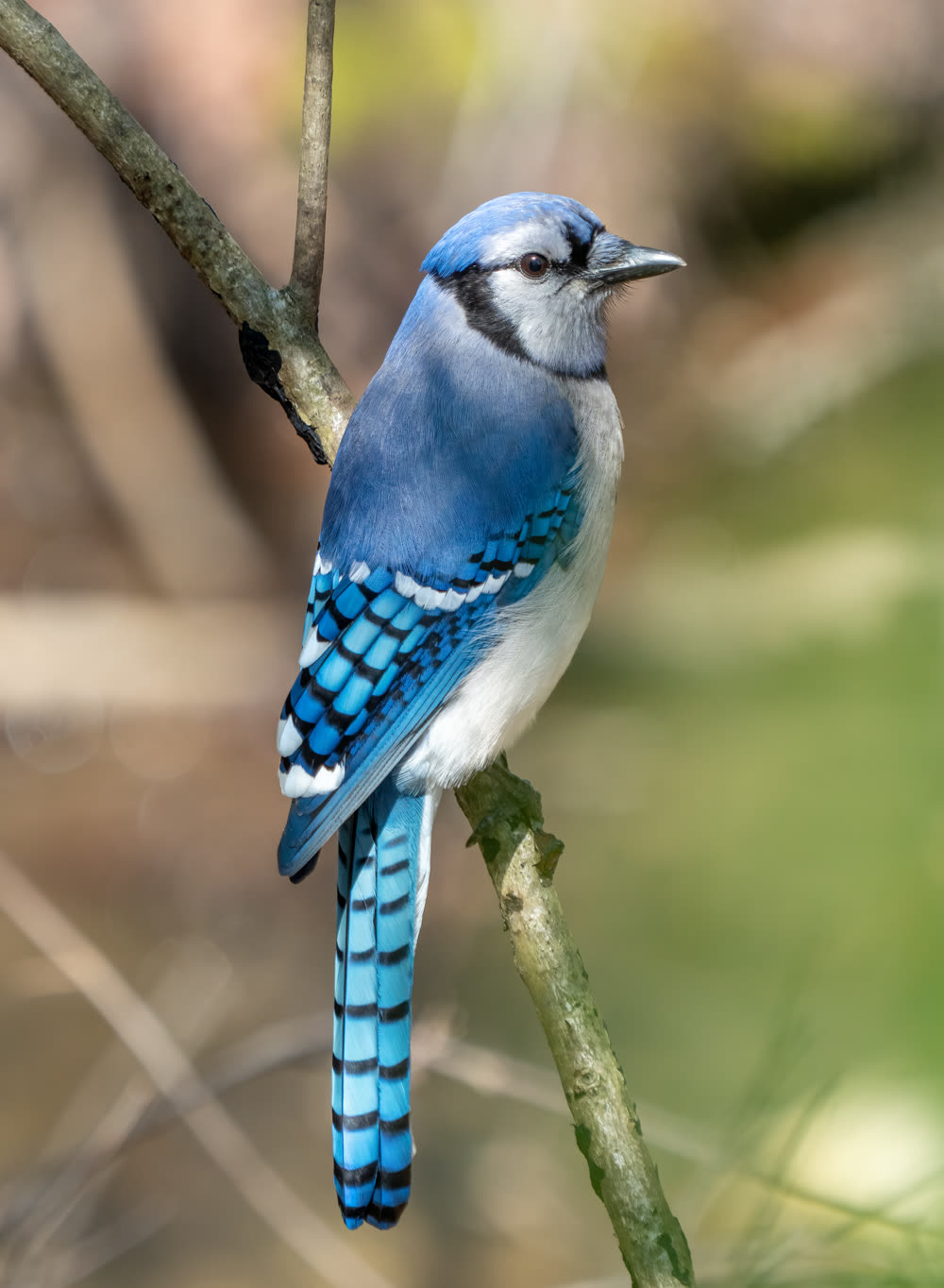
Blue Jay
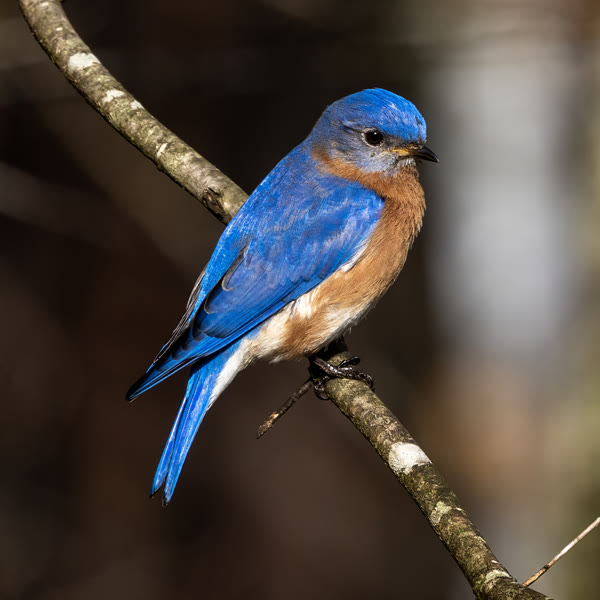
Eastern Bluebird
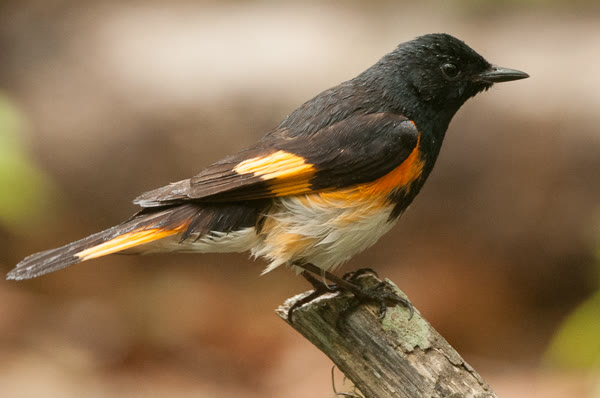
Warbler