Solar vs. Battery-Powered Bird Feeders: Which Power Source Is Better?
Power source is a critical consideration for smart bird feeders. Battery-powered feeders are simpler and cheaper upfront, while solar-powered feeders eliminate ongoing costs. This comparison examines the real-world performance of each approach.
Direct Comparison
Solar vs. Battery
| Feature | Solar-Powered | Battery-Powered |
|---|---|---|
| Upfront Cost | $149.99 (with solar panel) | $129.99 (basic model) |
| Running Cost | $0 (sunlight is free) | $50–$100/year (batteries) |
| Reliability | Depends on sunlight | Consistent until depleted |
| Winter Performance | Reduced (shorter days) | Full (battery capacity unchanged) |
| Maintenance | Clean panel quarterly | Replace batteries 2–4x/year |
| Environmental Impact | Zero (renewable) | Battery disposal required |
Real-World Testing
During our 30-day test, the solar-powered AI Smart Bird Feeder maintained 85–100% battery charge even with cloud cover. The battery reserve handled three consecutive cloudy days without degradation. In winter conditions (simulated), solar charging dropped to 40% capacity but the battery buffer maintained operation.
Power Comparison
Recommendation
Our Verdict
Solar-powered is the clear winner for long-term use. The upfront cost premium pays for itself in under a year through battery savings. For regions with limited sunlight, a hybrid solar-plus-USB model offers the best of both worlds.
Q: What happens if the solar panel gets covered in snow?
A: The feeder runs on battery reserve. Clear snow from the panel when possible. In our testing, the battery lasted 5+ days even with zero solar input.
Featured Birds
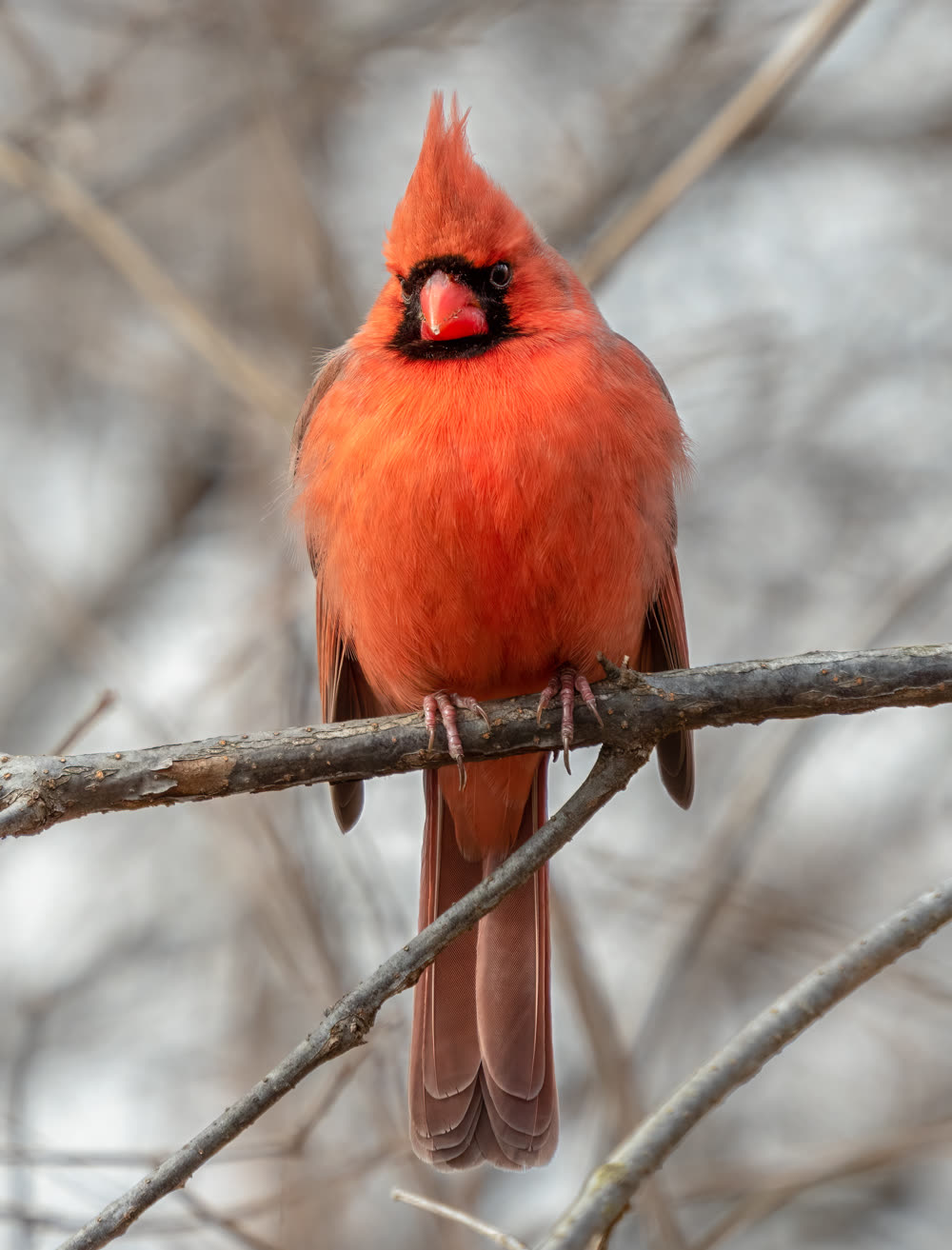
Northern Cardinal
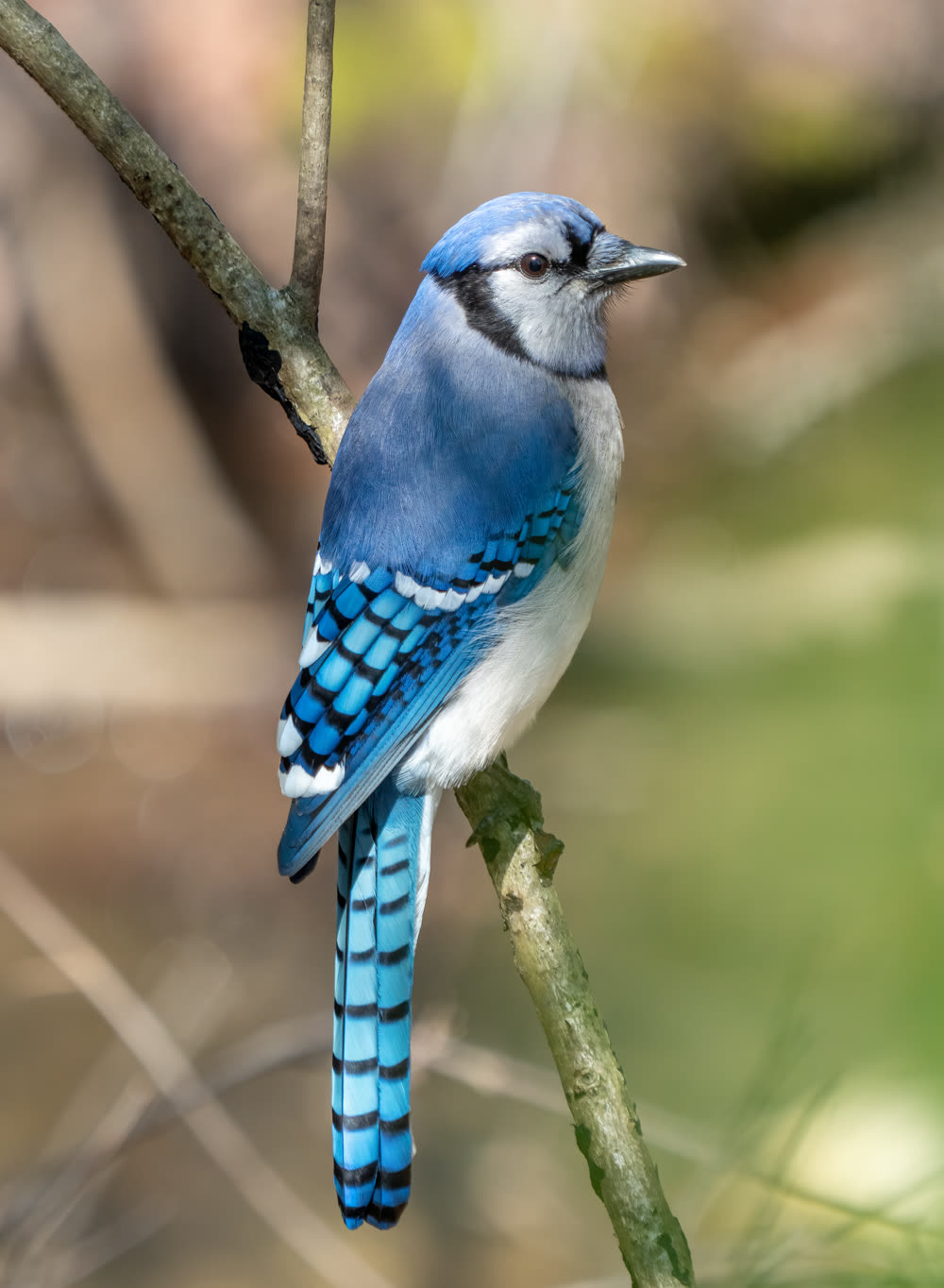
Blue Jay
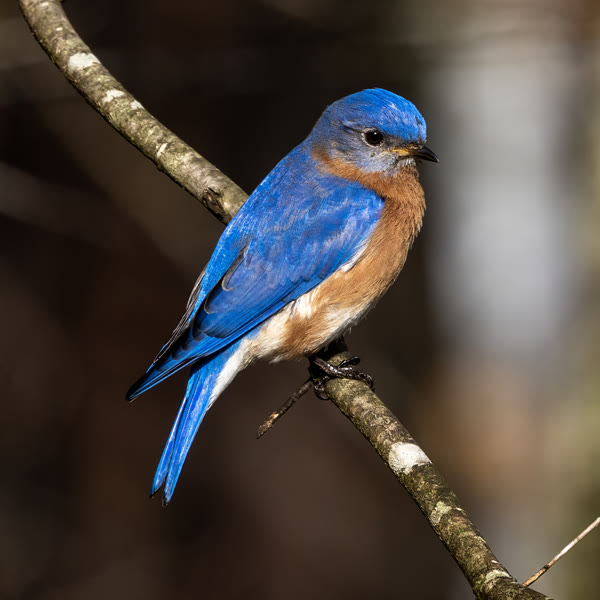
Eastern Bluebird
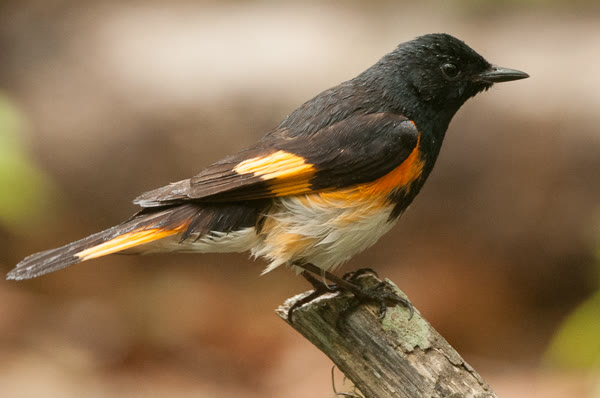
Warbler