Solar-Powered Bird Feeders: Complete Guide to Off-Grid Birding
Solar-powered bird feeders represent the intersection of renewable energy and bird watching convenience. By harnessing sunlight, these feeders eliminate the need for battery replacements or electrical outlets, making it possible to place bird feeders anywhere — from remote forest edges to urban rooftops.
How Solar Bird Feeders Work
A solar bird feeder integrates a photovoltaic panel (typically 2–5 watts) with a rechargeable lithium battery. During daylight, the panel charges the battery, which powers the feeder electronics — camera, AI processor, WiFi module, and seed tray heater. Modern systems store enough energy for 3–5 cloudy days.
Solar Panel Specifications
Benefits of Solar Power
Solar Advantages
- Zero operating costs after purchase
- No battery disposal or replacement
- Place anywhere with sunlight exposure
- Environmentally friendly — no chemicals
- Low maintenance — clean panel quarterly
- Works in remote locations without power
Solar Feeder Visitors
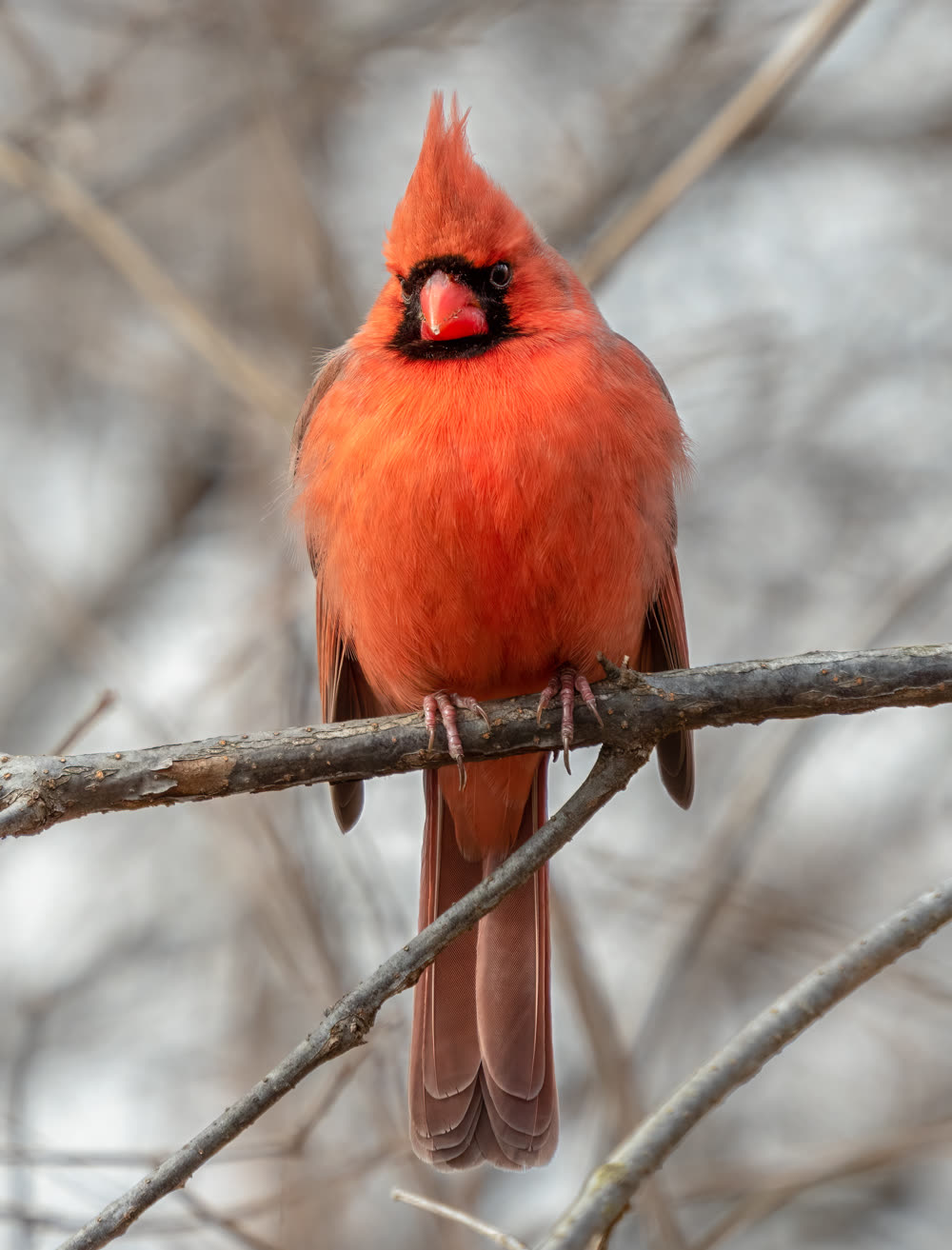
Cardinal at solar-powered feeder
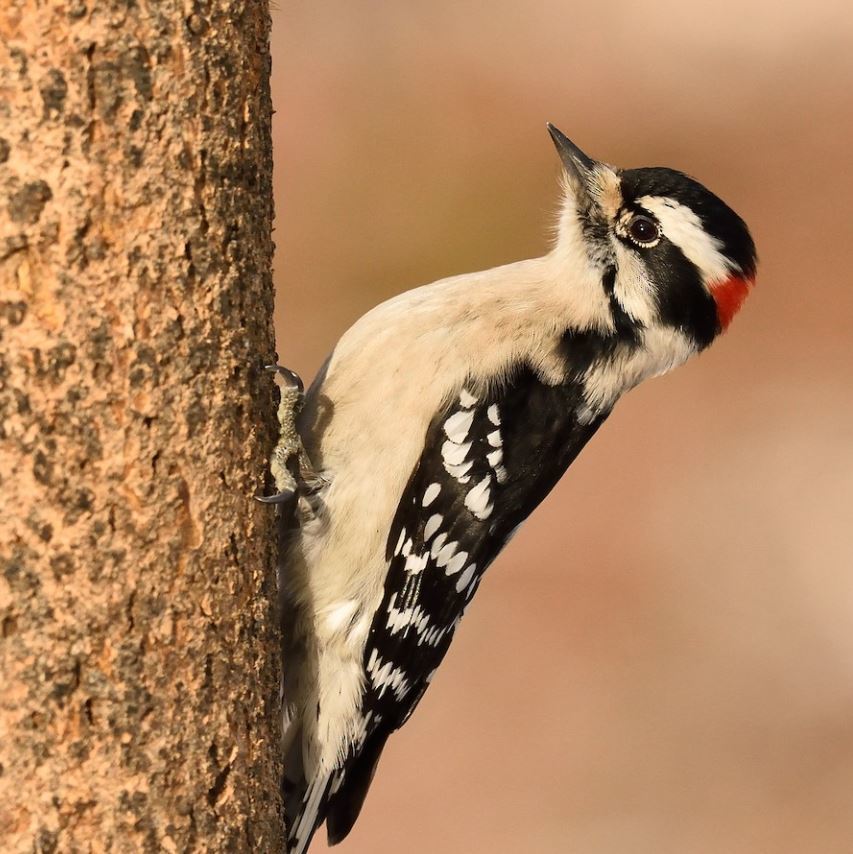
Downy Woodpecker visits
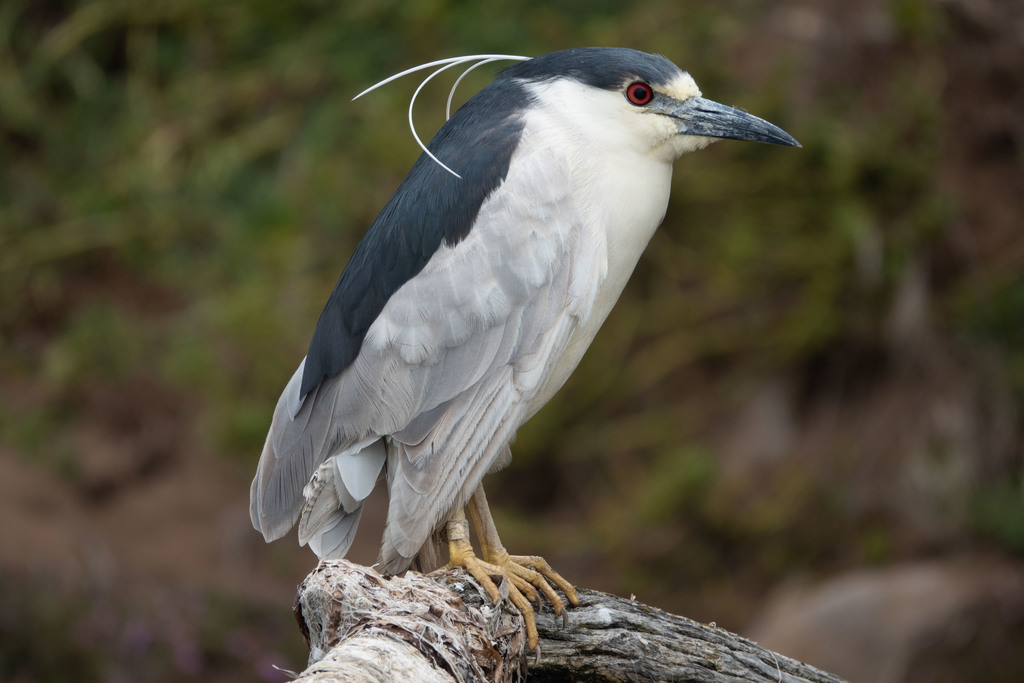
Heron near solar setup
Feeder Visitor Sounds
Downy Woodpecker drumming at the solar feeder
Placement Considerations
Solar feeders need adequate sunlight. Place the panel facing south (in the Northern Hemisphere) with no shading from trees or buildings. In winter, when birds need feeders most, sunlight hours are shortest — ensure your placement maximizes exposure.
Winter Solar Tip
In northern latitudes, angle solar panels more steeply in winter to capture the low sun. Clean panels monthly to remove dust and pollen that reduce efficiency.
Integration with AI Feeders
Our AI Smart Bird Feeder features an integrated solar panel option, providing perpetual power for continuous monitoring. The solar system powers the camera, AI processor, and storage without requiring any battery changes — even through winter.
Solar Feeder Facts
Q: Do solar feeders work on cloudy days?
A: Yes. The built-in battery stores enough energy for 3–5 days of operation even without sunlight. Solar panels also charge efficiently on overcast days, just more slowly.
Featured Birds
Northern Cardinal
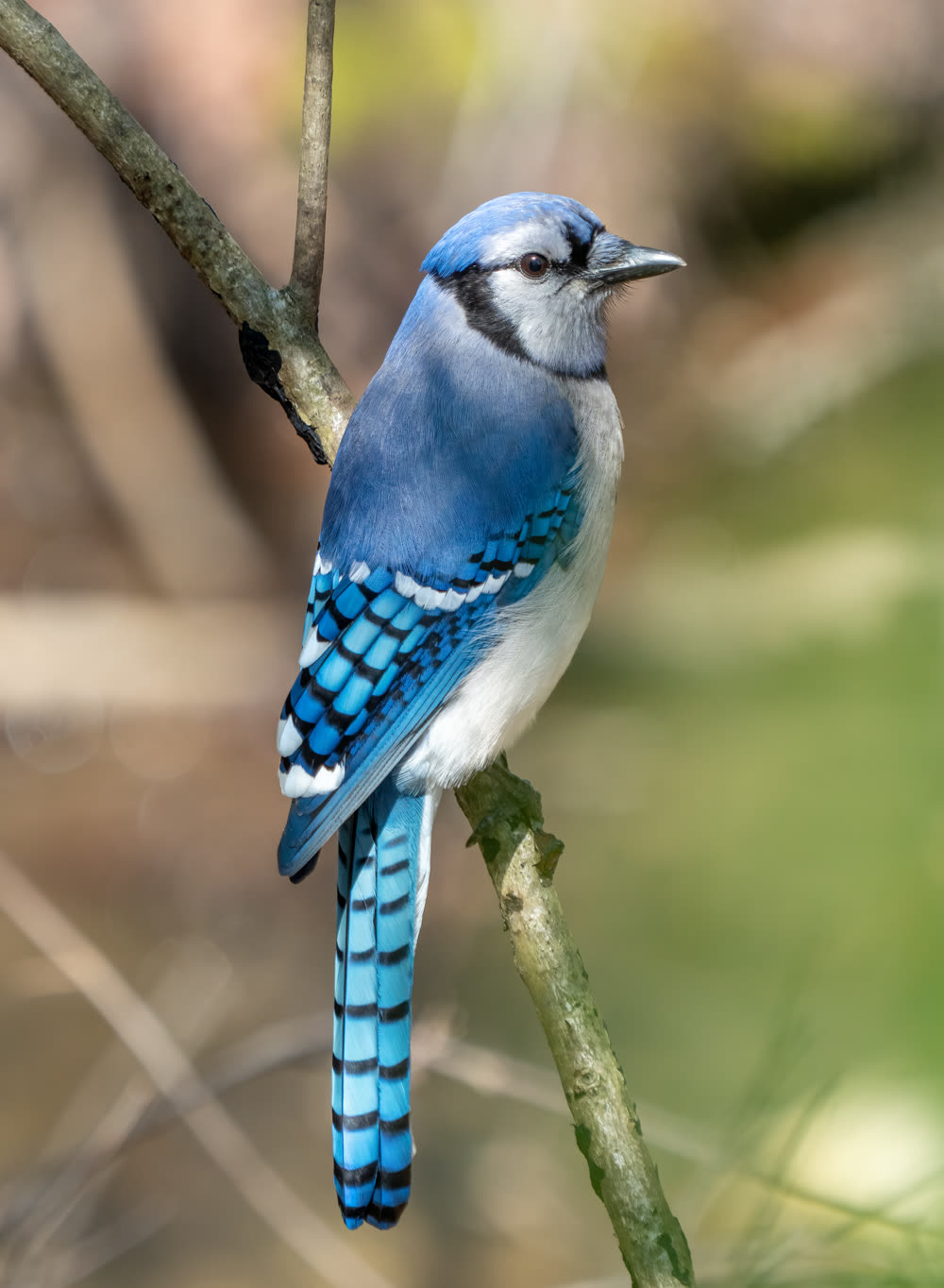
Blue Jay
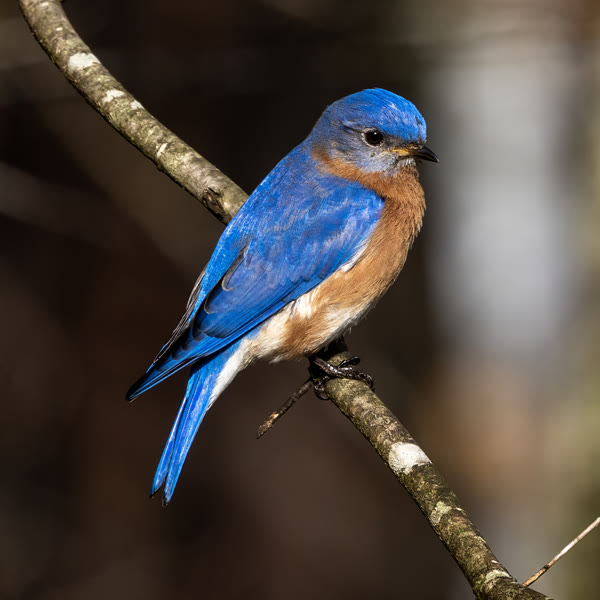
Eastern Bluebird
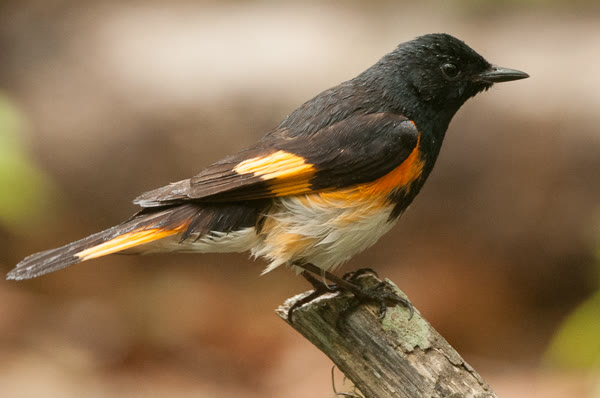
Warbler