Bird Seed Guide: Choosing the Right Seed for Your Target Species
Choosing the right bird seed is the single most important decision in backyard birding. The wrong seed attracts the wrong birds (or none at all), wastes money, and creates messy piles of hulls. Understanding seed types and their target species transforms your feeding program from guesswork to precision.
Seed Types Compared
Seed Types Compared
| Feature | Black Oil Sunflower | Nyjer (Thistle) |
|---|---|---|
| Best For | Almost all species | Finches only |
| Mess Level | Moderate (hulls) | Low (whole seed) |
| Cost per Day | $0.15–$0.30 | $0.40–$0.60 |
| Shelf Life | 6–12 months | 6 months |
| Attraction Speed | Immediate | 1–2 days |
Complete Seed Reference
Seed Attraction Gallery
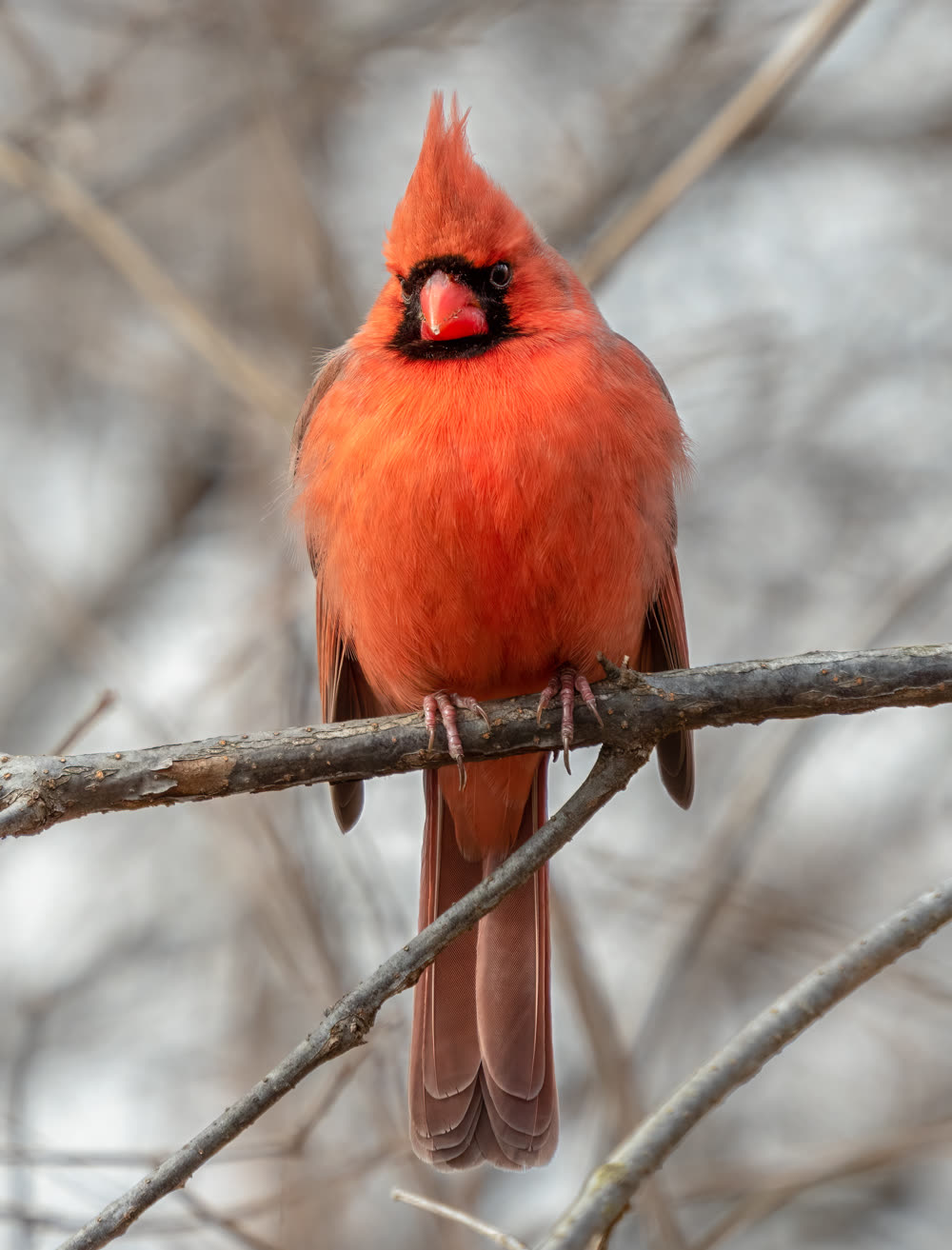
Northern Cardinal at sunflower feeder
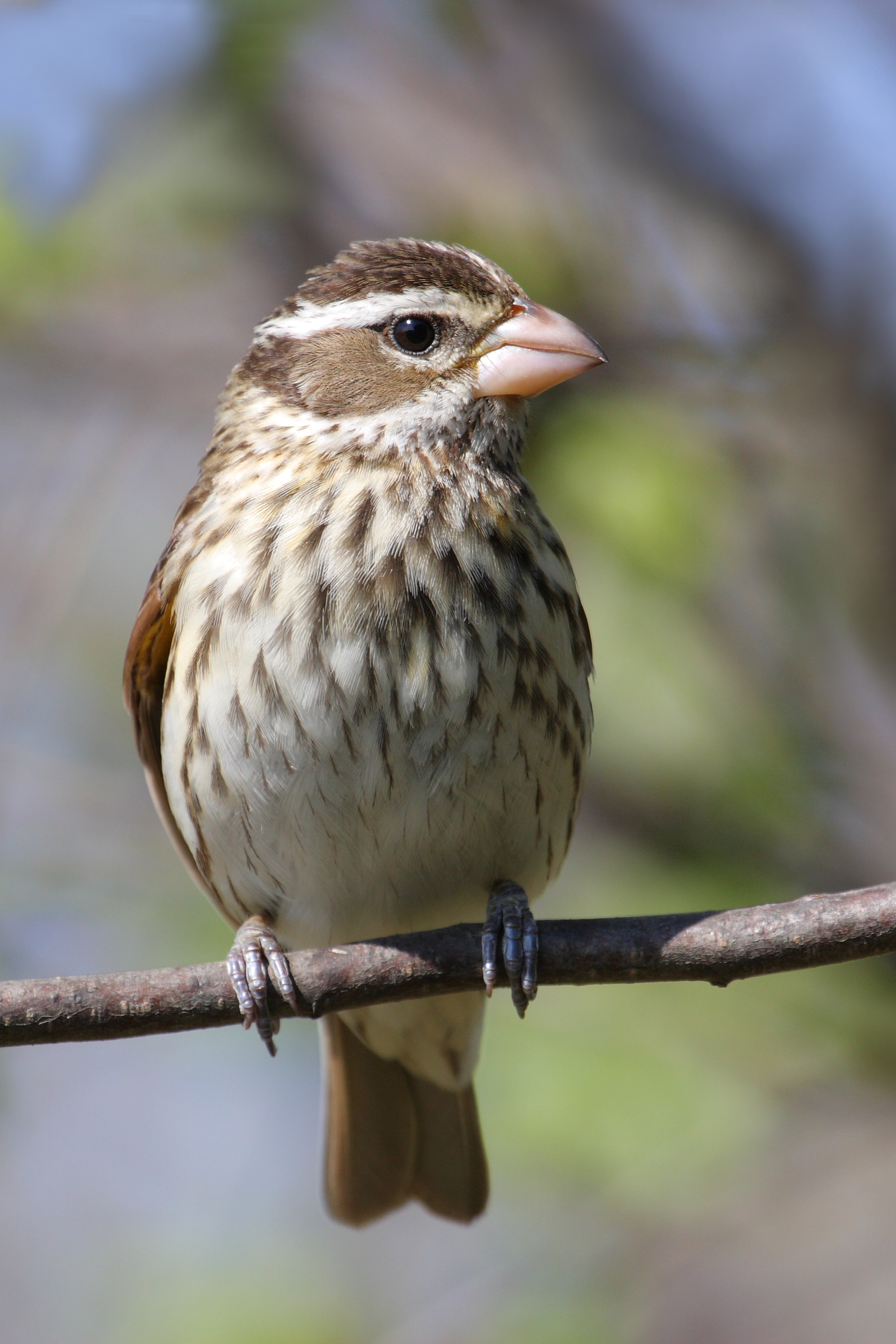
American Goldfinch on nyjer feeder
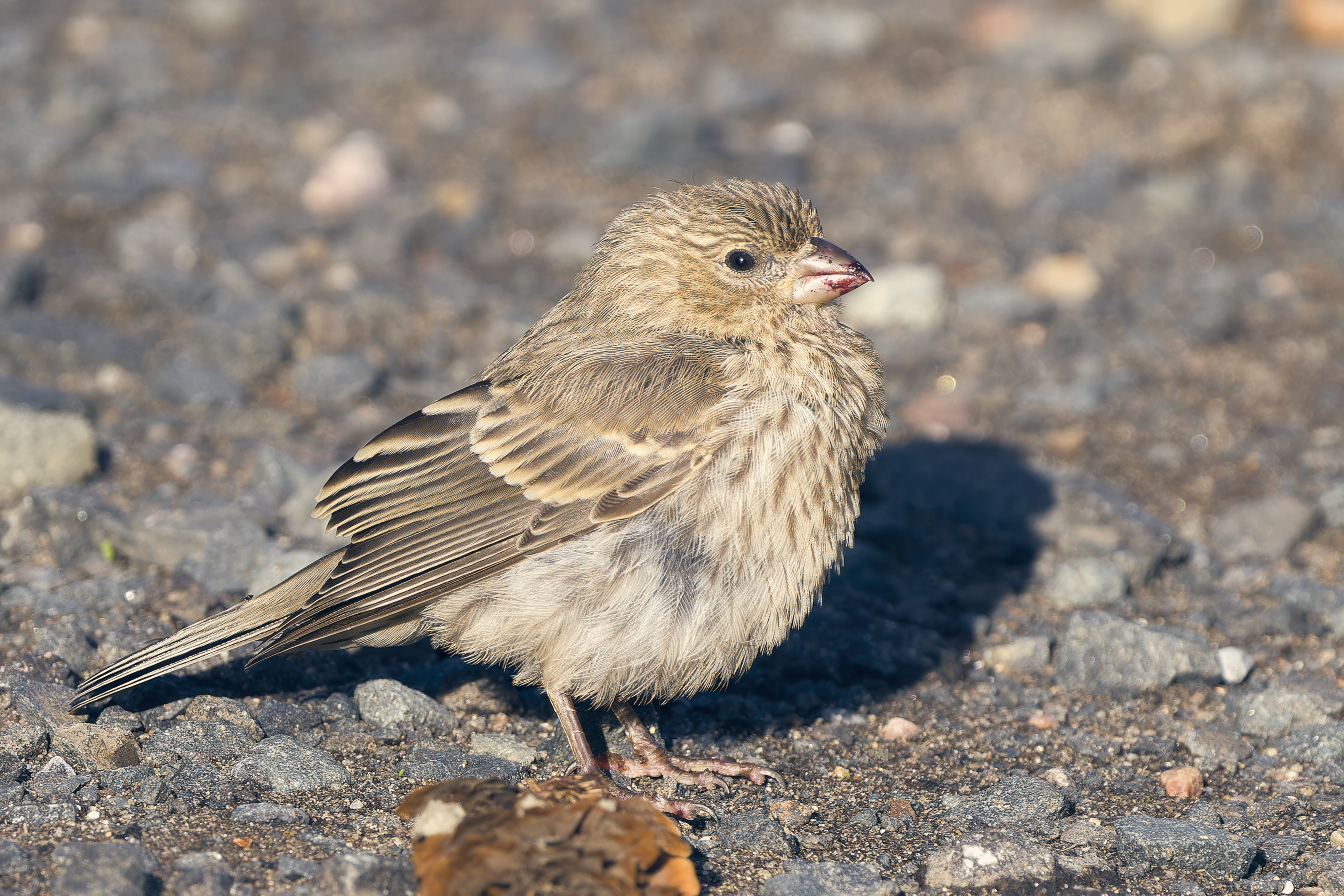
House Sparrow on ground feeder
Cardinal Feeder Song
Cardinal singing from the feeder area — common in winter
Avoid These Fillers
Cheap seed mixes often contain filler seeds that most birds reject: red millet, wheat, oats, and whole corn. These fillers create waste and attract rodents. Invest in quality seed blends or buy individual seed types for your target species.
Best Value Seed
Black oil sunflower seeds offer the best value: nearly every bird eats them, they have thin shells (less waste), and high fat content (more nutrition). Buy in bulk for the best price per pound.
Seasonal Feeding
Seed by Season
Spring
Sunflower + mealworms (protein for nesting)
All species
Summer
Nyjer + suet (energy for breeding)
Finches, woodpeckers
Fall
Sunflower + peanuts (fat for migration)
All species
Winter
Suet + sunflower + fat balls (maximum calories)
Resident species
Seed Statistics
Q: How much bird seed do I need per week?
A: A typical feeder uses 1–2 pounds per week in peak season. Winter usage doubles. Buy seed in bulk and store in airtight containers to maintain freshness.
Featured Birds
Northern Cardinal
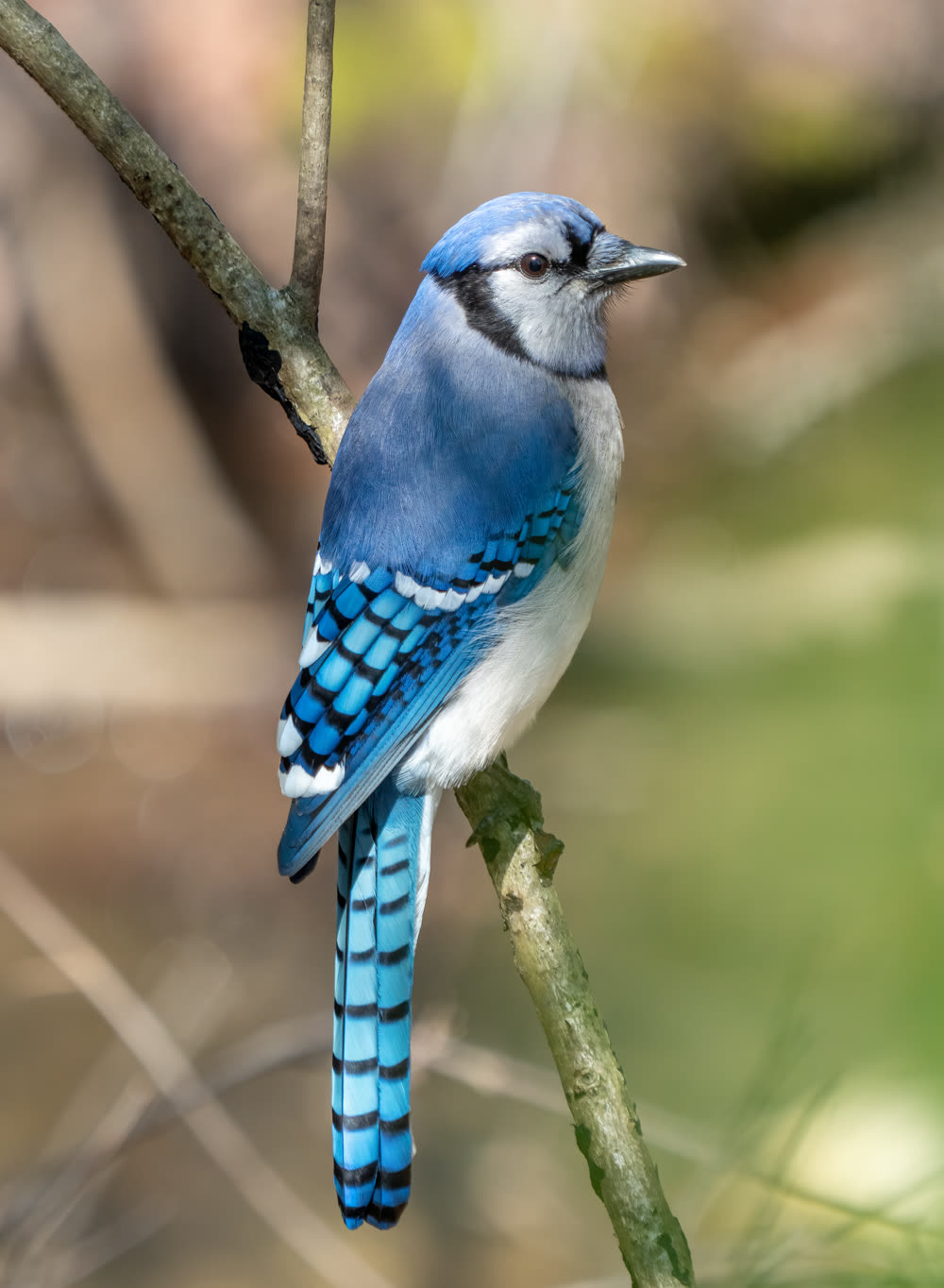
Blue Jay
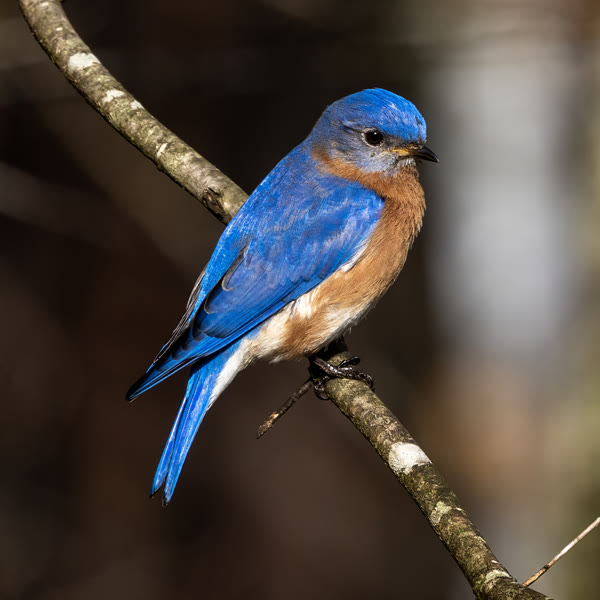
Eastern Bluebird
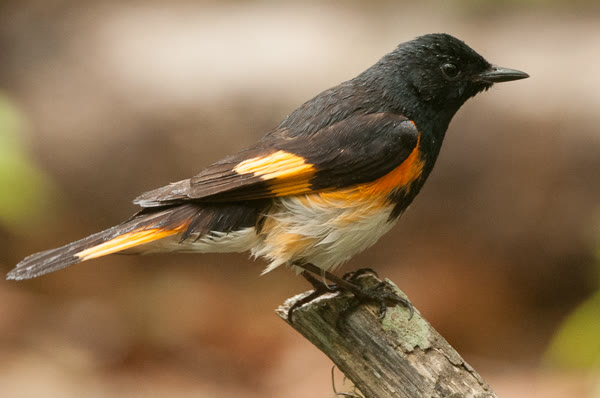
Warbler