Night Vision Birding: Documenting Nocturnal and Crepuscular Wildlife
While most bird watching happens during daylight hours, a remarkable variety of wildlife is active at night. Owls, nightjars, loons, woodcock, and even some songbirds migrate under the stars. Night vision technology lets you document this hidden world without disturbing the animals.
How Night Vision Works
Infrared (IR) night vision illuminates scenes with invisible infrared light and captures the reflection on a sensitive sensor. Modern AI bird feeders use IR LEDs that emit no visible glow, so nocturnal visitors behave naturally. The camera sensor is optimized for low-light conditions, producing clear monochrome or color images in near-total darkness.
Night Vision Capabilities
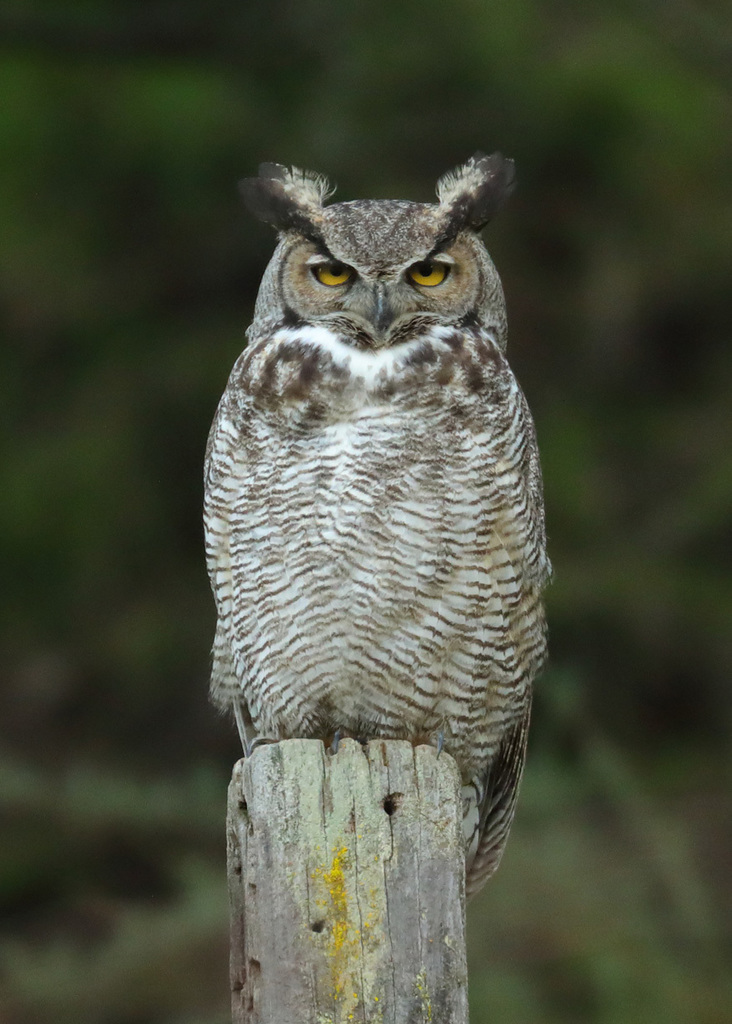
IR night vision test
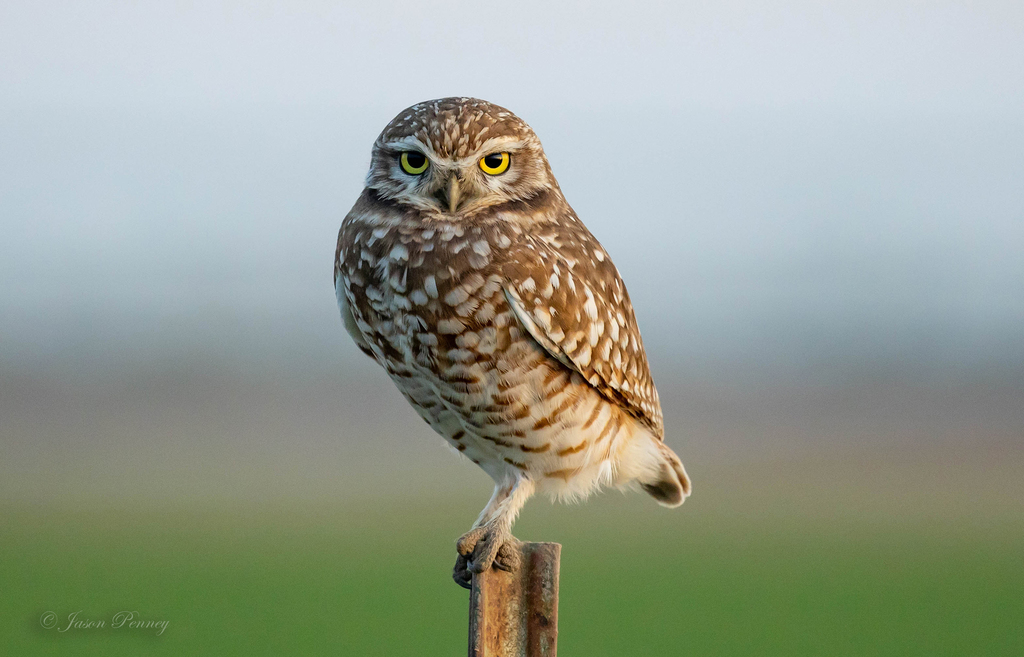
Dusk feeding activity
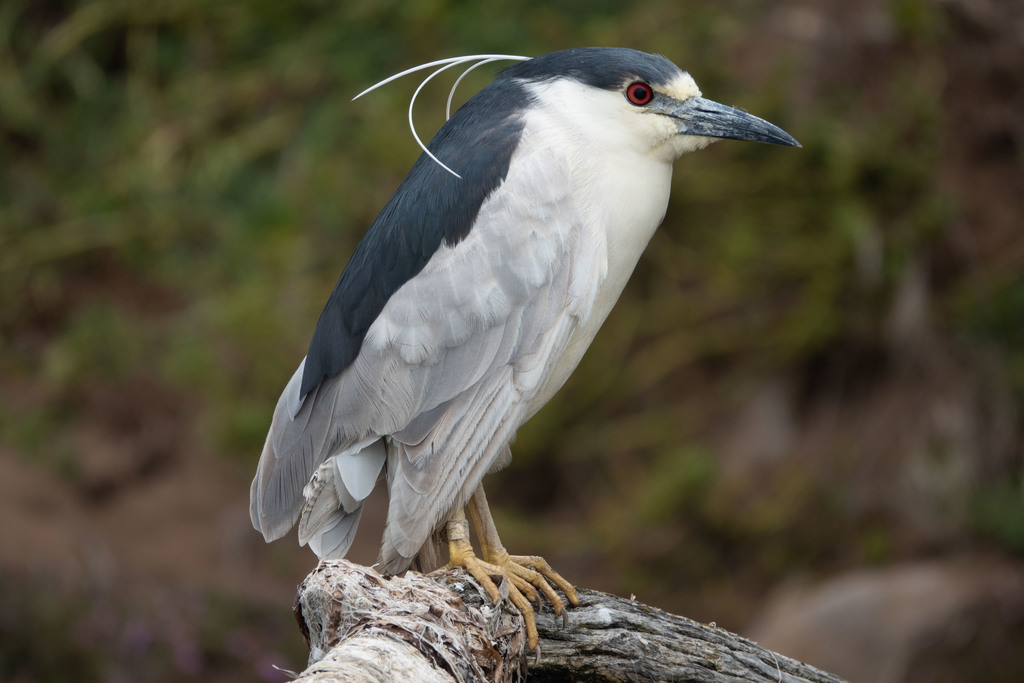
Night visitor documentation
Nocturnal Species You Can Document
Night and Dusk Visitors
AI Feeder Night Vision
Our AI Smart Bird Feeder features infrared night vision with automatic day/night switching. During our 30-day test, we captured clear footage of a Barred Owl investigating the feeder area at dusk, raccoons at midnight, and a red fox at dawn — all in crisp 1080P.
Night Vision Specs
Owl at Dusk
Great Horned Owl — the classic dusk caller captured by night vision
Night Vision Tips
- Position feeder away from direct light pollution for best contrast
- IR reflection off wet surfaces can reduce image quality
- Winter nights are longest — prime time for nocturnal documentation
- Check night footage every morning — surprises await
Q: Can night vision disturb nocturnal animals?
A: No. Infrared LEDs emit no visible light and produce no heat, so animals behave naturally. Unlike white-light flash, IR is completely invisible to wildlife.
Featured Birds
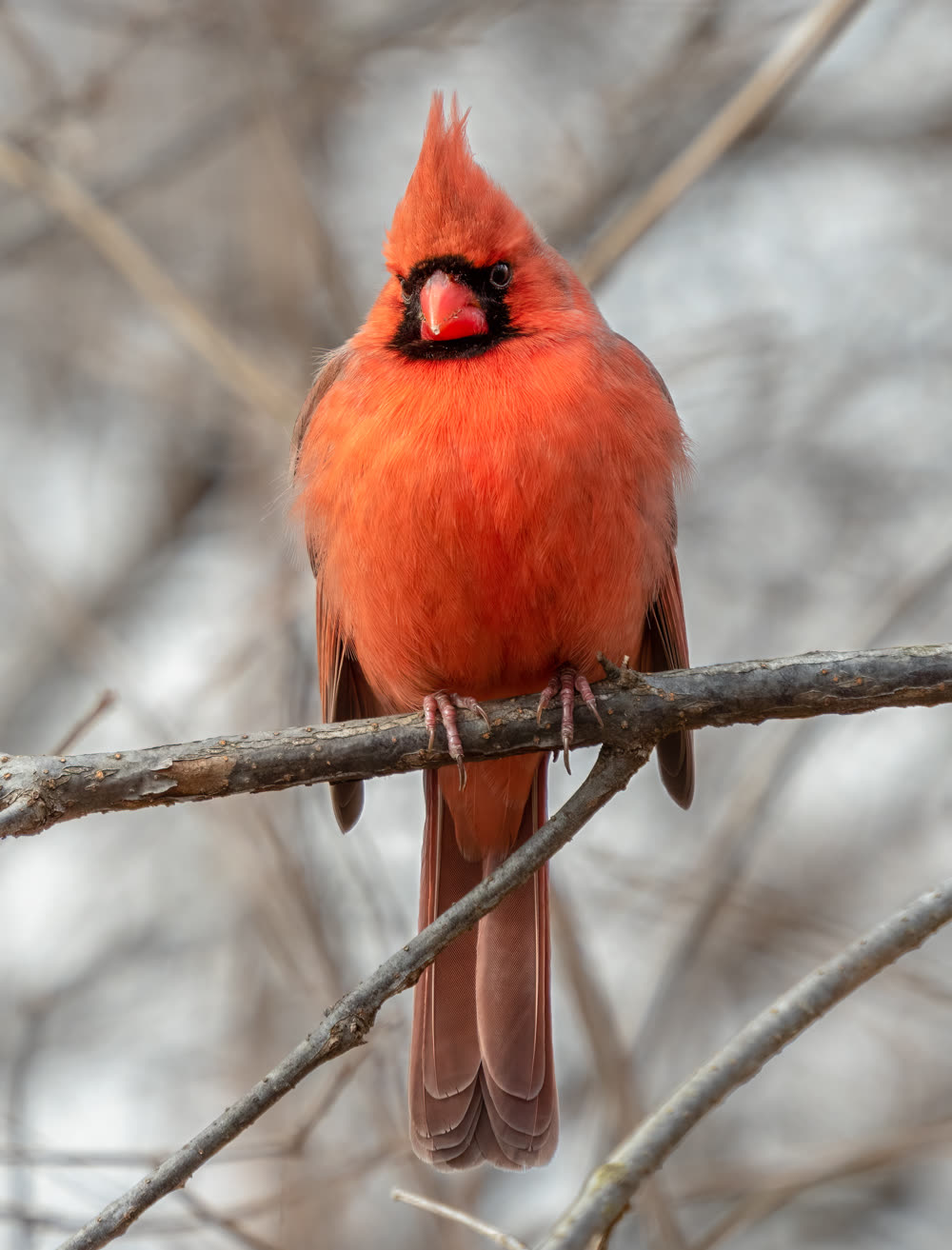
Northern Cardinal
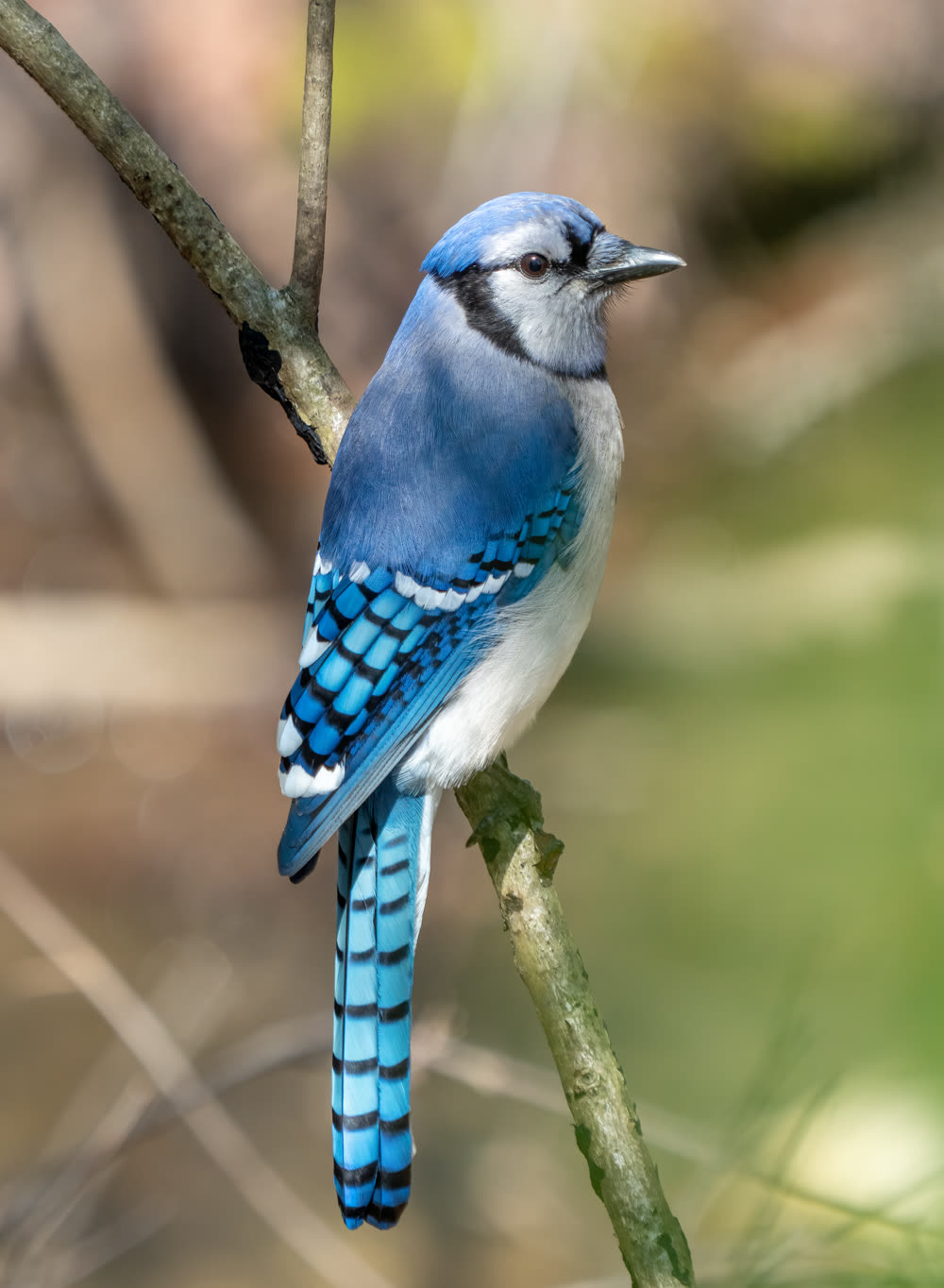
Blue Jay
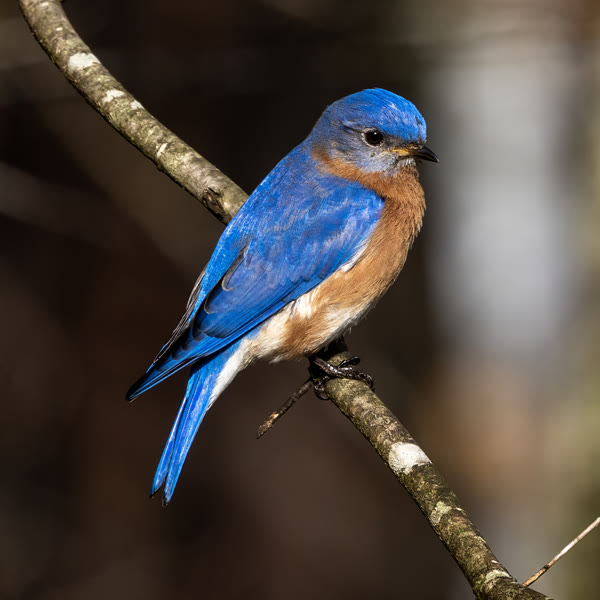
Eastern Bluebird
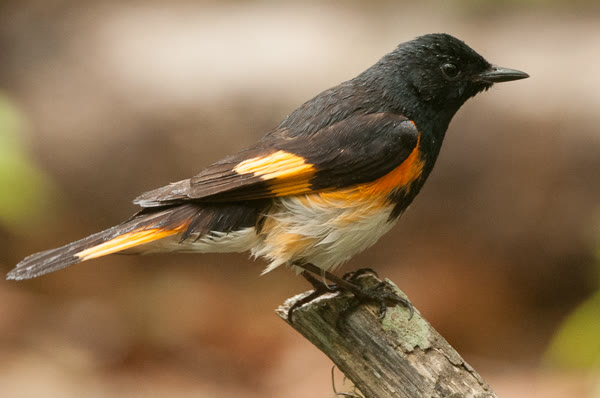
Warbler