Hummingbird Guide: Attracting North America's Tiny Avian Gems
Hummingbirds are the smallest birds in North America and among the most fascinating creatures on Earth. With wing beats up to 80 times per second, the ability to hover in mid-air, fly backward, and dive at speeds exceeding 60 mph, these tiny jewels represent nature's engineering marvel. The Ruby-throated Hummingbird is the only breeding species east of the Mississippi, while over 15 species visit western North America.
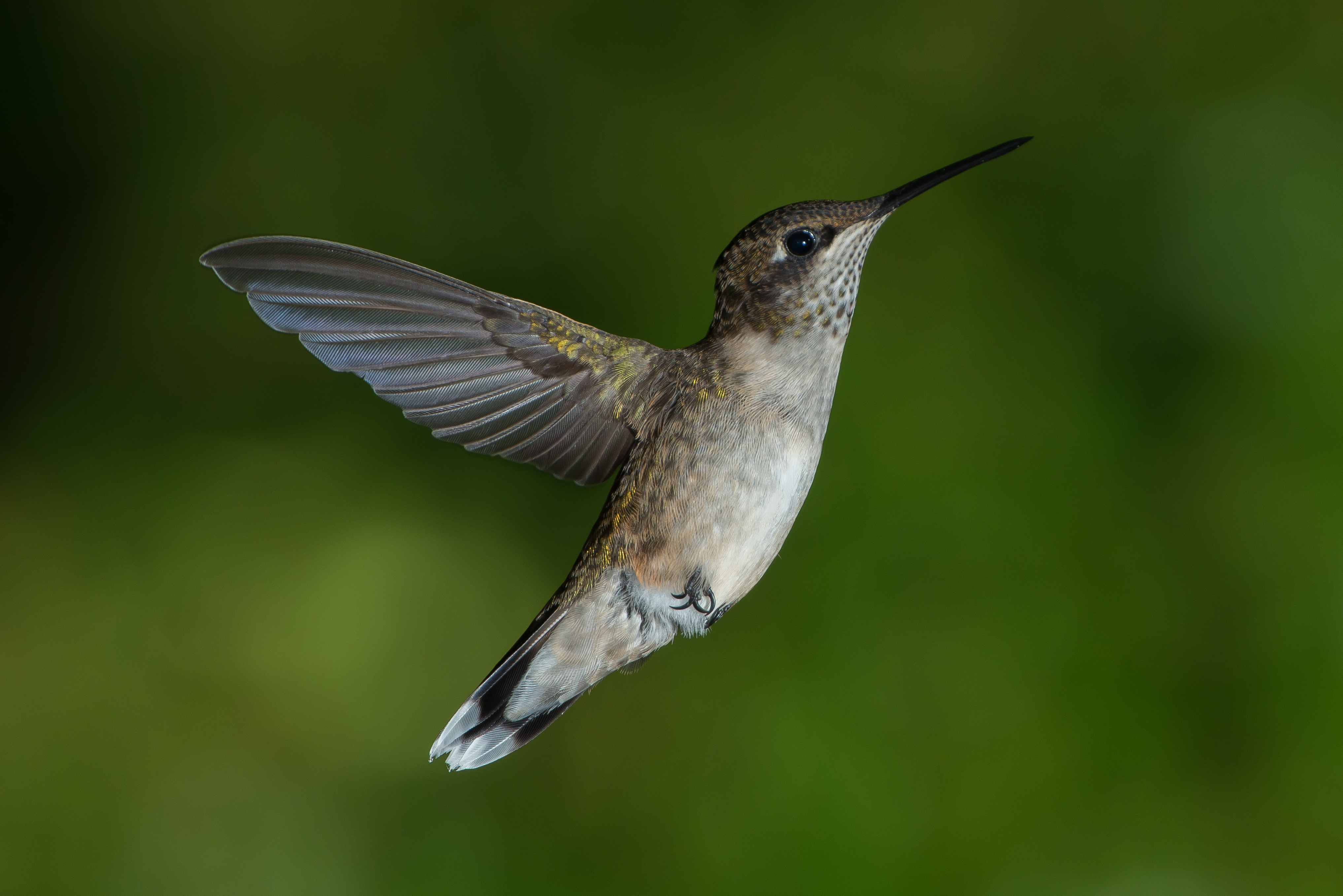
Ruby-throated Hummingbird
Archilochus colubris
Male Ruby-throated Hummingbirds are about 3 inches long with iridescent green backs and a brilliant ruby-red throat patch (gorget) that flashes like a gem in sunlight. Females lack the red throat and instead have a white throat with green spotting. Hummingbirds are difficult to photograph with conventional cameras, but our AI Smart Bird Feeder captures stunning 1080P footage of these tiny visitors.
Fun Fact: Ruby-throated Hummingbirds migrate across the Gulf of Mexico in a single non-stop flight of 18 to 22 hours — one of the most remarkable feats in the avian world.
Nectar Plants for Hummingbirds
Top Nectar Plants
Hummingbird in Action
Hummingbird at flower
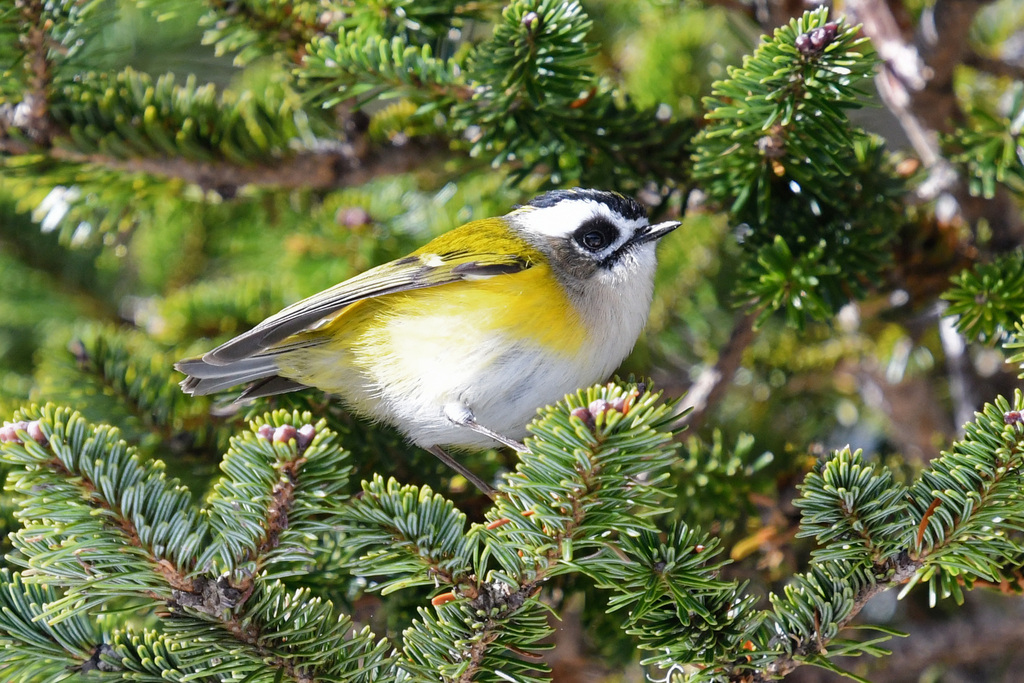
Ruby-crowned Kinglet in shrub
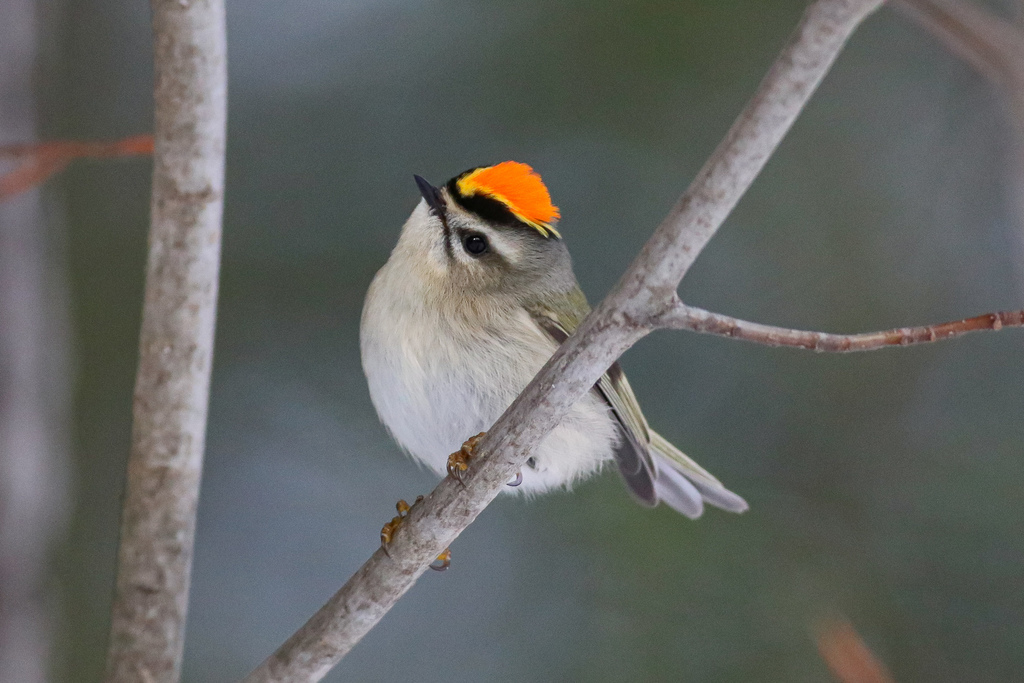
Kinglet on branch
Feeder Setup
Hummingbird Feeder Tips
- Use a 1:4 sugar-to-water solution — no red dye
- Hang feeders 5 to 10 feet above ground near sheltering vegetation
- Clean feeders every 2 to 3 days in hot weather to prevent mold
- Position feeders near your AI Smart Bird Feeder for simultaneous observation
- Place multiple feeders to reduce territorial aggression
Avoid Red Dye
Red dye in hummingbird food can be harmful. Simply mix 1 part white sugar with 4 parts hot water, let cool, and fill your feeder. The red parts of the feeder itself are enough to attract hummingbirds.
Migration
Ruby-throated Hummingbirds migrate from Central America to North America each spring, crossing the Gulf of Mexico in a non-stop 18 to 22-hour flight. Fall migration sends them back south in September and October. During migration, they gain up to 50% of their body weight in fat reserves.
Hummingbird Physiology
Conservation
Climate change and habitat loss threaten hummingbird populations. Planting native flowers, reducing pesticide use, and maintaining feeders through the breeding season all support healthy populations. Document your hummingbird sightings with our AI feeder to contribute valuable data to migration studies.
Hummingbird Facts
Q: Do hummingbirds really suck blood?
A: No, this is a myth. Hummingbirds drink nectar from flowers and supplement their diet with small insects and spiders for protein.
Garden Ambience
House Finch singing near hummingbird feeders — common garden companions
Featured Birds
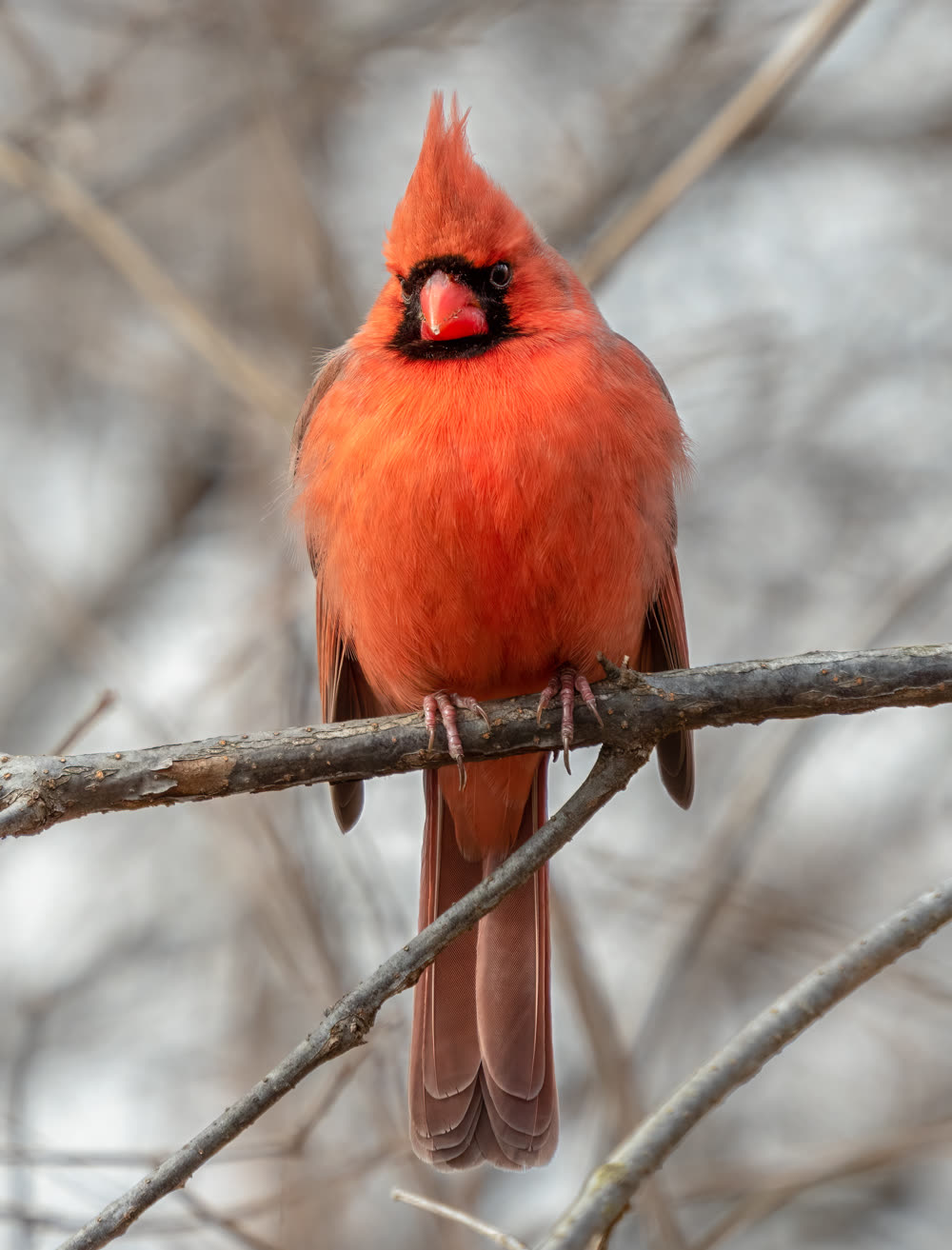
Northern Cardinal
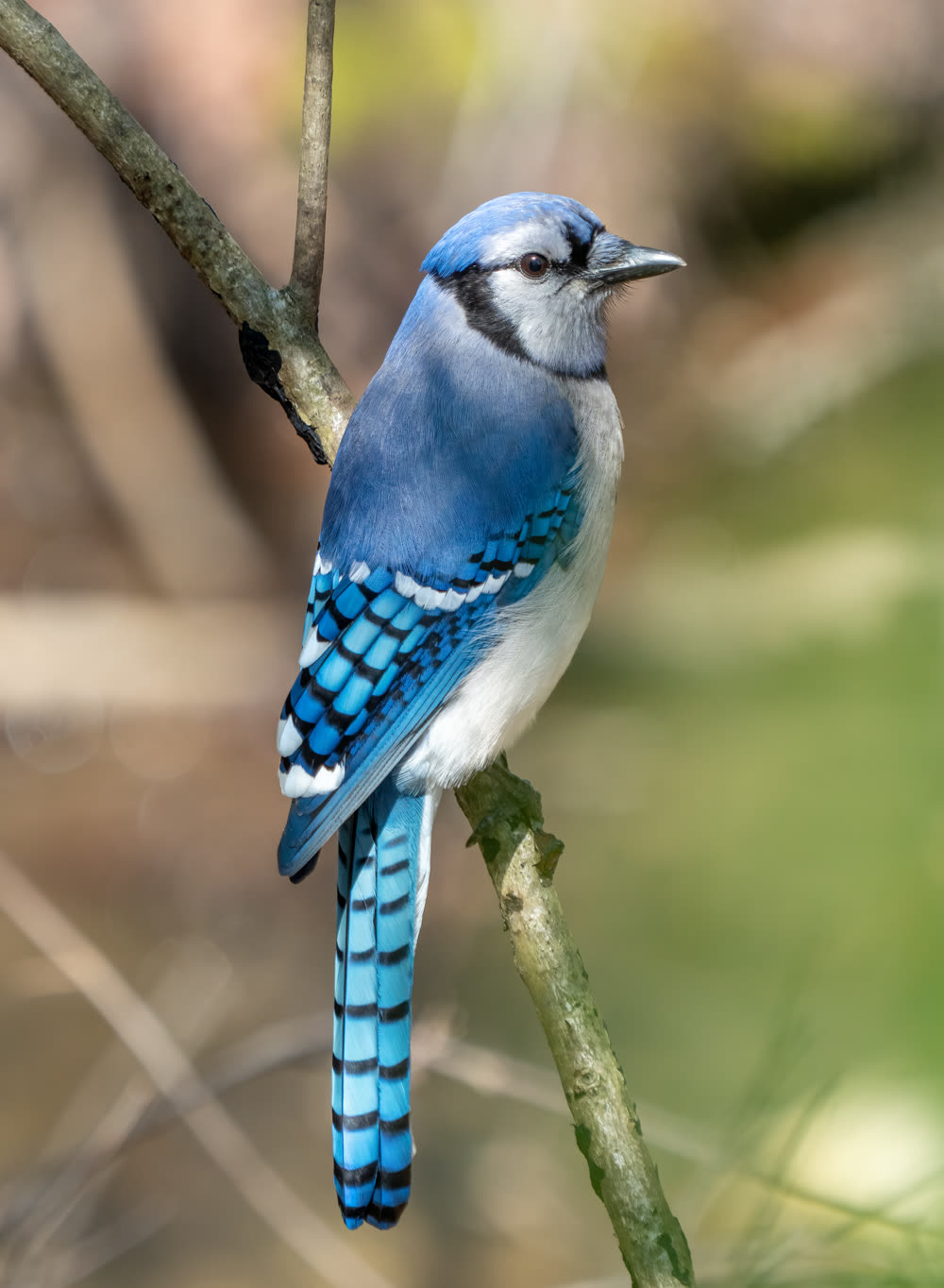
Blue Jay
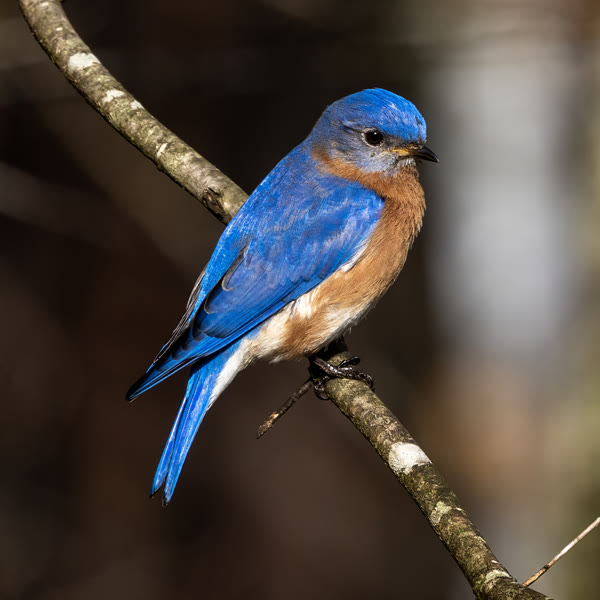
Eastern Bluebird
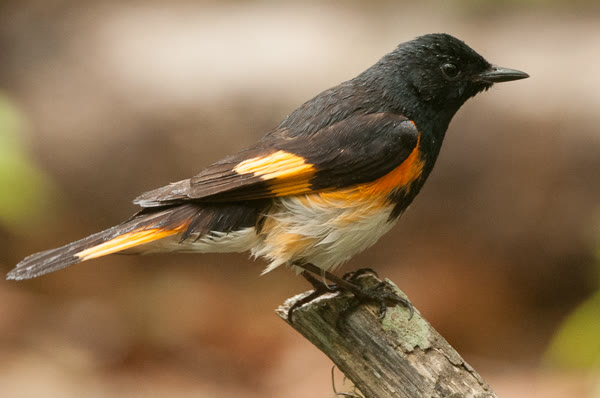
Warbler