Fall Migration Birding: Timing, Hotspots, and Identification Tips
Fall migration (July through November) is often overlooked by birders who focus on spring's dramatic arrivals. But fall offers unique advantages: juveniles in their first plumage, different species compositions, and the chance to see birds heading south for the first time. Fall migration peaks in September and October across most of North America.
Spring vs. Fall Migration
Spring vs. Fall Migration
| Feature | Spring Migration | Fall Migration |
|---|---|---|
| Plumage | Bright breeding plumage | Duller juvenile/non-breeding |
| Behavior | Aggressive, territorial | More relaxed, flocking |
| Identification | Easier (males in color) | Harder (females, juveniles) |
| Timing | Tighter, more predictable | Extended, weather-dependent |
| Species | More warblers, tanagers | More sparrows, finches |
| Energy | Building reserves | Exhausted after long flights |
Peak Fall Migration Periods
Fall Migration Calendar
July
Early departures
Loons, terns
August
First wave
Warblers, flycatchers
September
Peak migration
All species
October
Late migrants
Sparrows, juncos
November
Final passage
Juncos, dark-eyed sparrows
Fall Migration Species
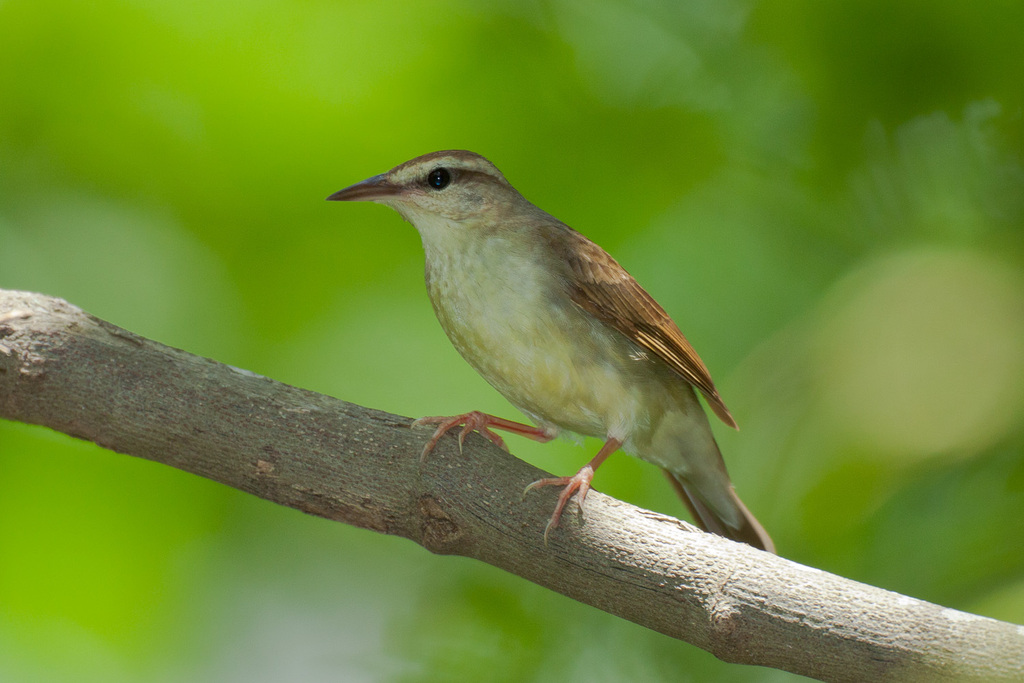
Swainson's Warbler in fall foliage
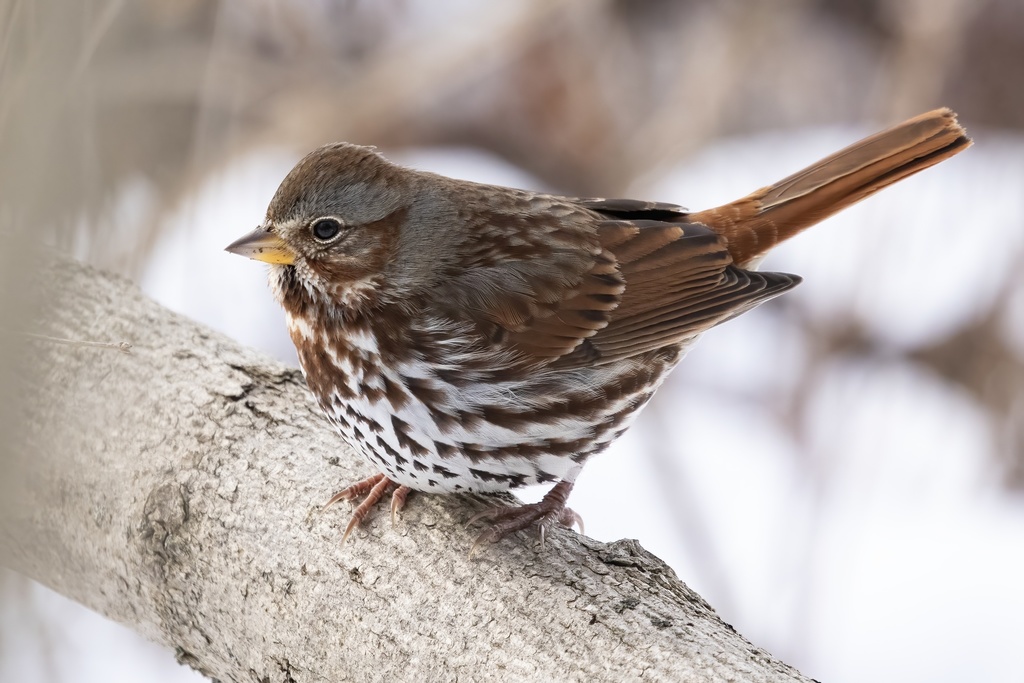
Fox Sparrow on ground
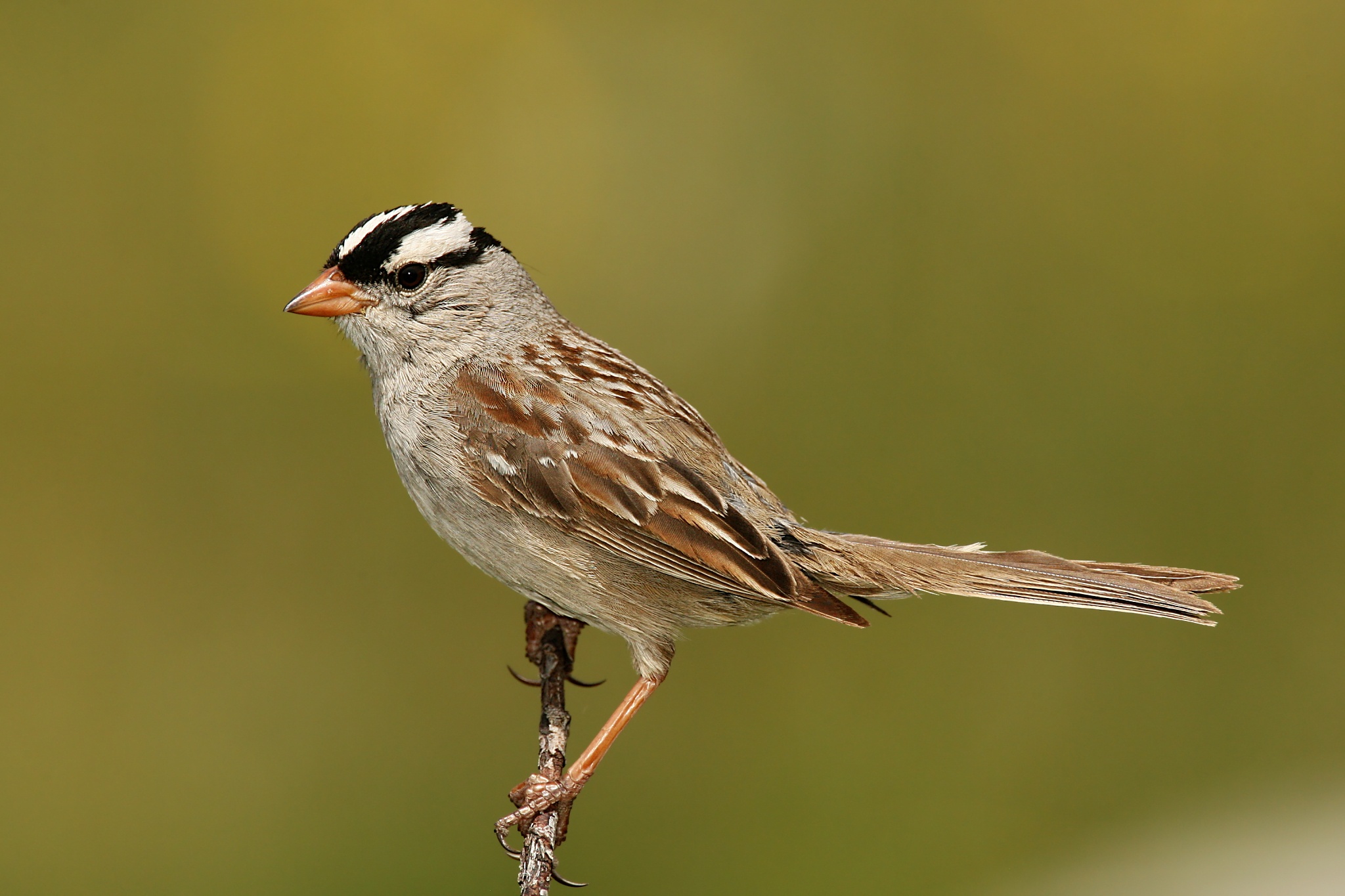
White-crowned Sparrow in winter dress
Hermit Thrush Autumn Song
Melancholic flute song — the sound of autumn migration
Fall Identification Challenges
Fall identification is notoriously difficult. Juvenile birds lack the distinctive plumage features of adults. Many species look similar in non-breeding dress. Focus on field marks that persist: eye rings, wing bars, tail patterns, and bill shape. Our AI Smart Bird Feeder's species recognition database handles fall plumage variations automatically.
Fall Identification Tips
- Focus on wing bars, eye rings, and tail patterns
- Listen for fall calls — often more reliable than plumage
- Join fall migration workshops before peak season
- Use field guides organized by family, not alphabetically
- Watch for fall out events after storms
Fall Hotspots
Best Fall Migration Sites
Conservation
Fall migrants face threats from habitat loss along migration corridors, window collisions, and climate change. Planting native berries and maintaining feeders through fall supports migrating birds in their critical fueling phase. Documenting fall migration patterns with AI feeders helps researchers track population trends.
Fall Migration Facts
Q: Why are fall birds harder to identify?
A: Juveniles lack adult breeding plumage, many species fade to dull non-breeding colors, and females of many species are indistinguishable from juveniles. Focus on persistent field marks like wing bars and eye rings.
Featured Birds
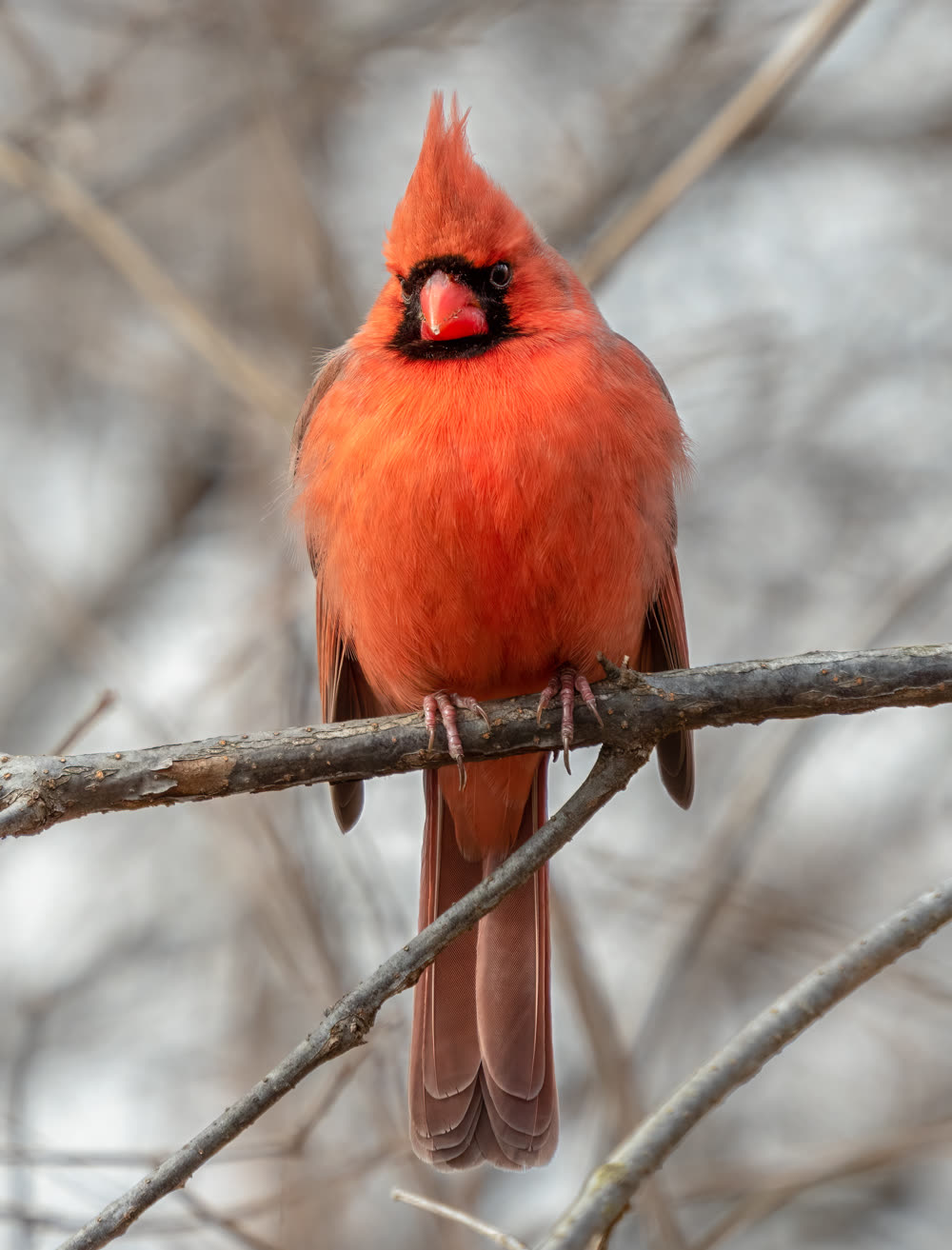
Northern Cardinal
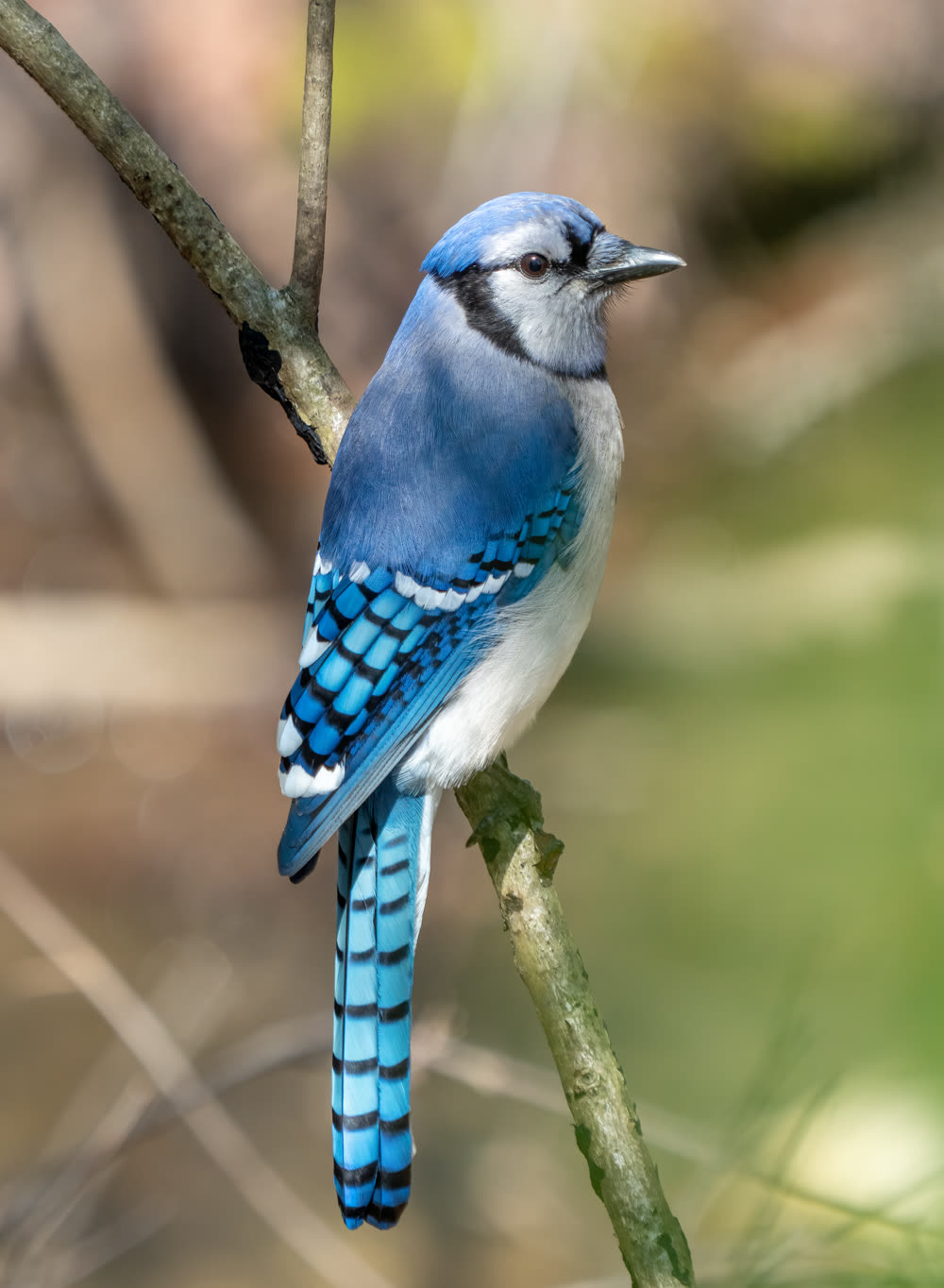
Blue Jay
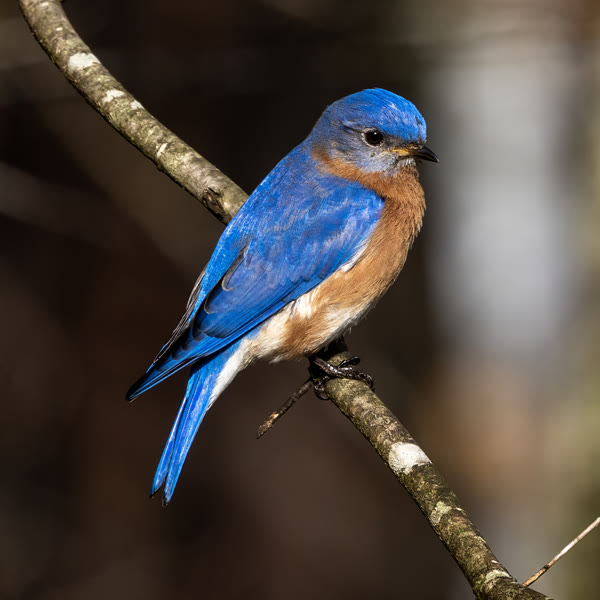
Eastern Bluebird
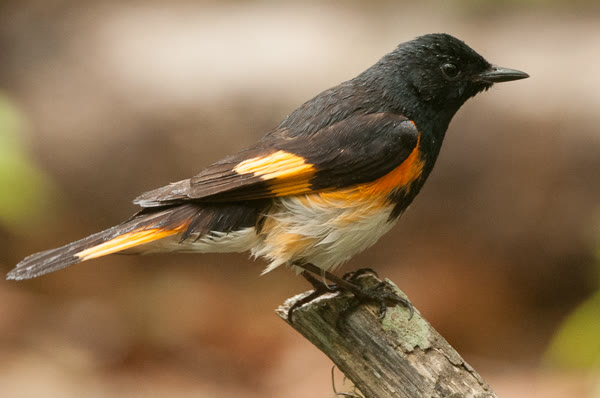
Warbler