Eastern Bluebird: A Complete Guide to America's State Bird and How to Attract Them
The Eastern Bluebird (Sialia sialis) has been the official state bird of three U.S. states — Michigan, New York, and Kentucky — and for good reason. Its vivid azure-blue back, rusty-orange breast, and clean white belly make it one of the most photogenic birds in North America. More than its beauty, however, the Eastern Bluebird symbolizes hope and happiness in American culture, and its comeback from near-extinction in the 1900s remains one of conservation's greatest success stories.
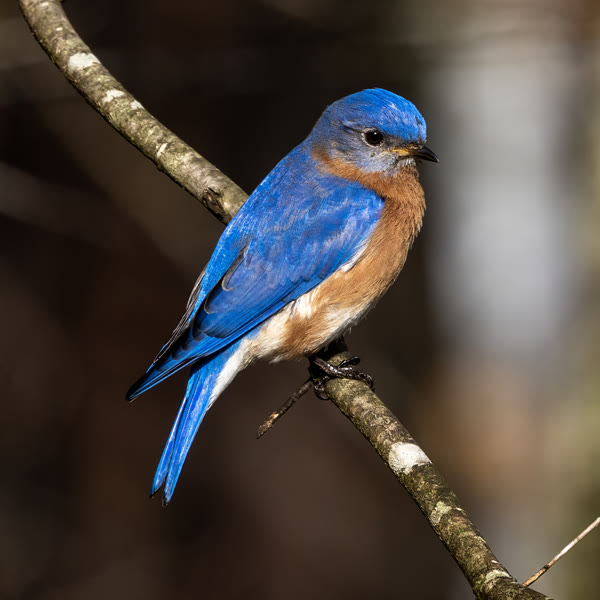
Eastern Bluebird
Sialia sialis
Male Eastern Bluebirds display brilliant blue upperparts with a sky-blue head and a vivid reddish-orange breast and flanks. Females are paler, with grayish-blue backs and a muted orange wash on the breast. Juveniles are brownish overall with heavy streaking. Bluebirds are small enough to fit comfortably in your hand but large enough to be clearly visible at feeders.
Fun Fact: The Eastern Bluebird population plummeted in the mid-1900s due to habitat loss and competition from invasive starlings and house sparrows. Bluebird house programs helped reverse the decline — a true conservation success story.
Eastern Bluebird Gallery
Eastern Bluebird on a perch
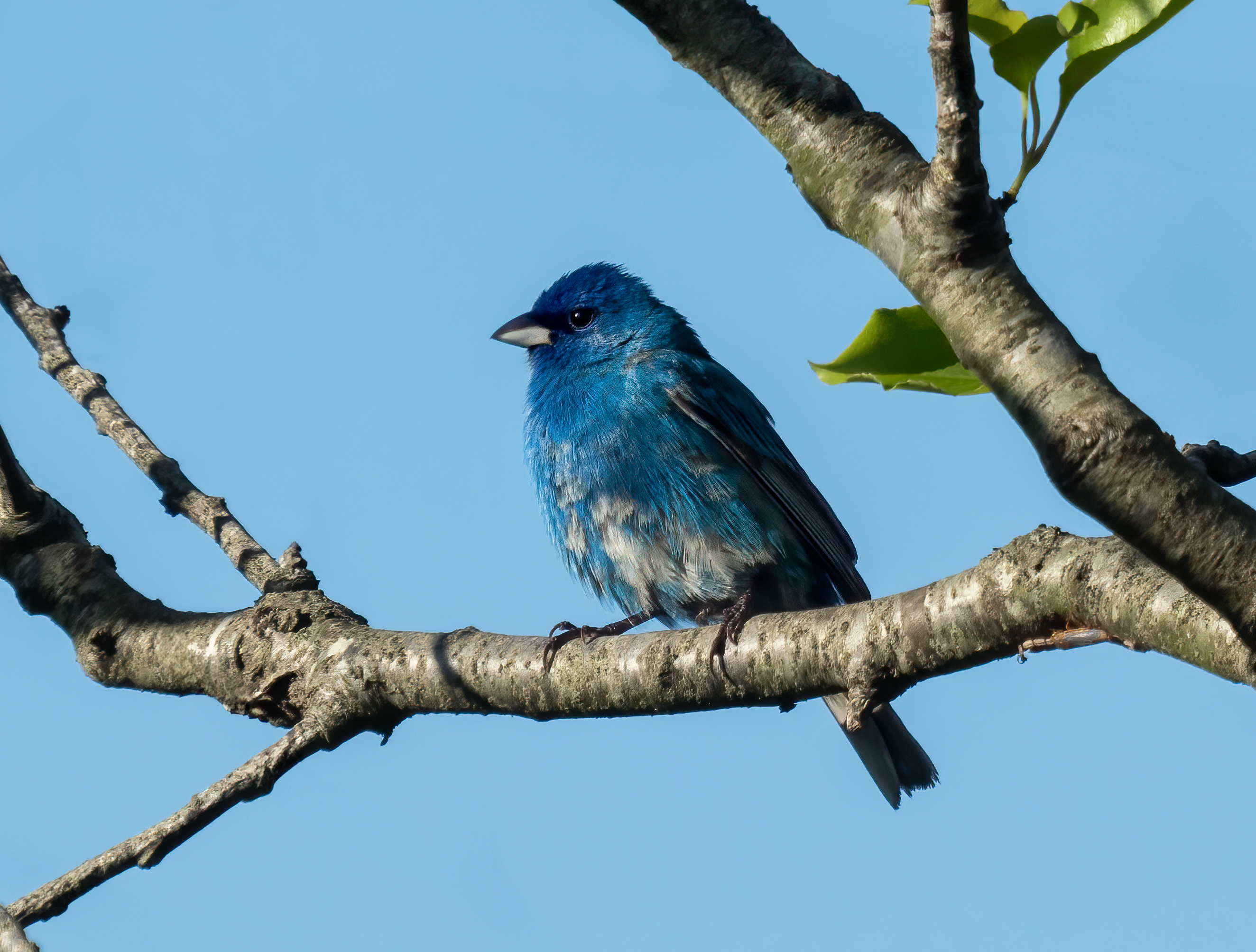
Indigo Bunting in summer sky
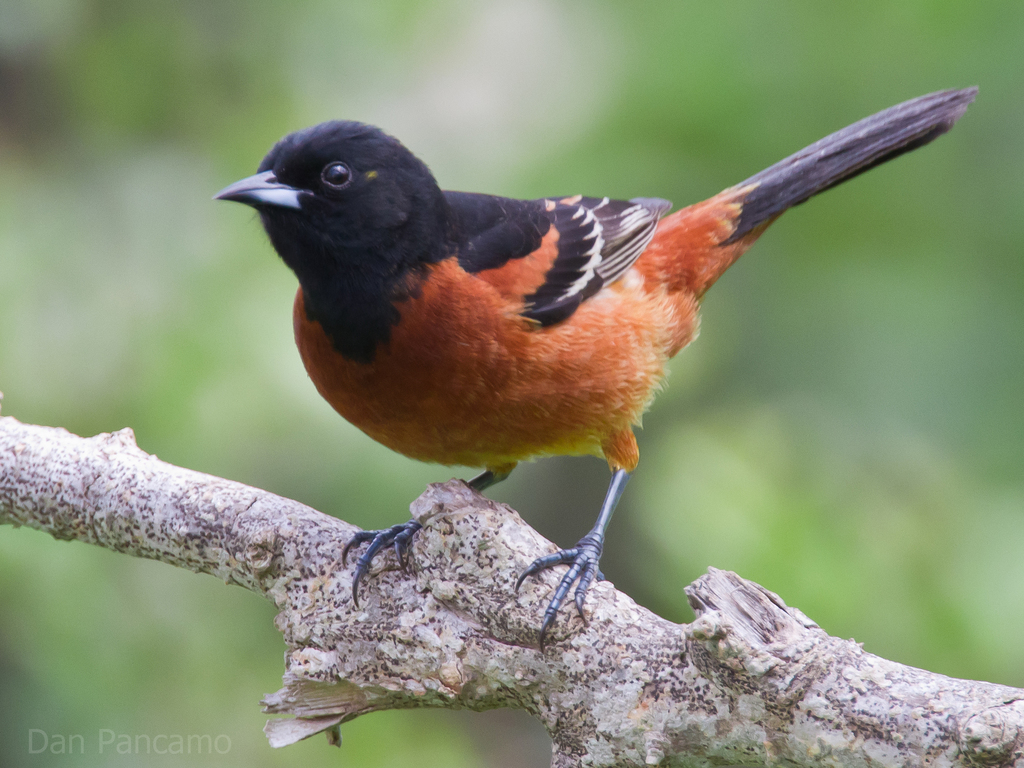
Baltimore Oriole in tree
Diet and Seasonal Changes
Unlike most songbirds that eat seeds, Eastern Bluebirds are insectivorous during spring and summer, feeding on beetles, caterpillars, crickets, and grasshoppers. In fall and winter, they shift to berries — elderberry, poison ivy, multiflora rose, and dogwood fruits. This dietary flexibility is key to their survival through changing seasons.
How to Attract Bluebirds
- Provide open landing perches near your feeder area
- Offer mealworms (live or dried) during breeding season
- Install a bluebird house on a pole in an open field
- Plant berry-producing shrubs for winter food
- Avoid pesticide use — bluebirds need insects to feed their young
Eastern Bluebird by the Numbers
Eastern Bluebird Song
Musical 'blue-er, blue-er' — the cheerful song of spring
Q: Do Eastern Bluebirds eat seed?
A: Not naturally. They are insectivores in summer and berry-eaters in winter. However, they will readily eat mealworms offered at feeders.
Featured Birds
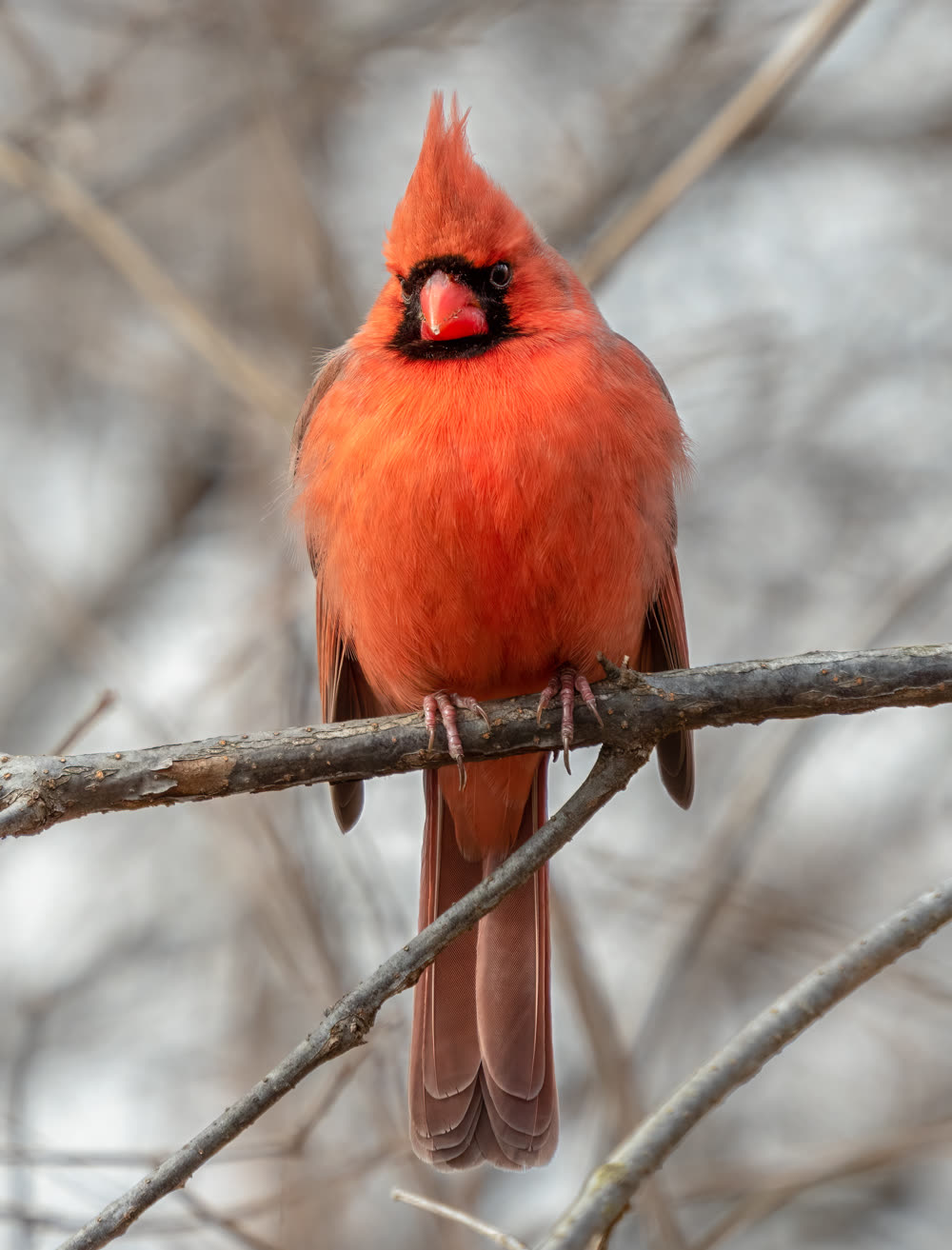
Northern Cardinal
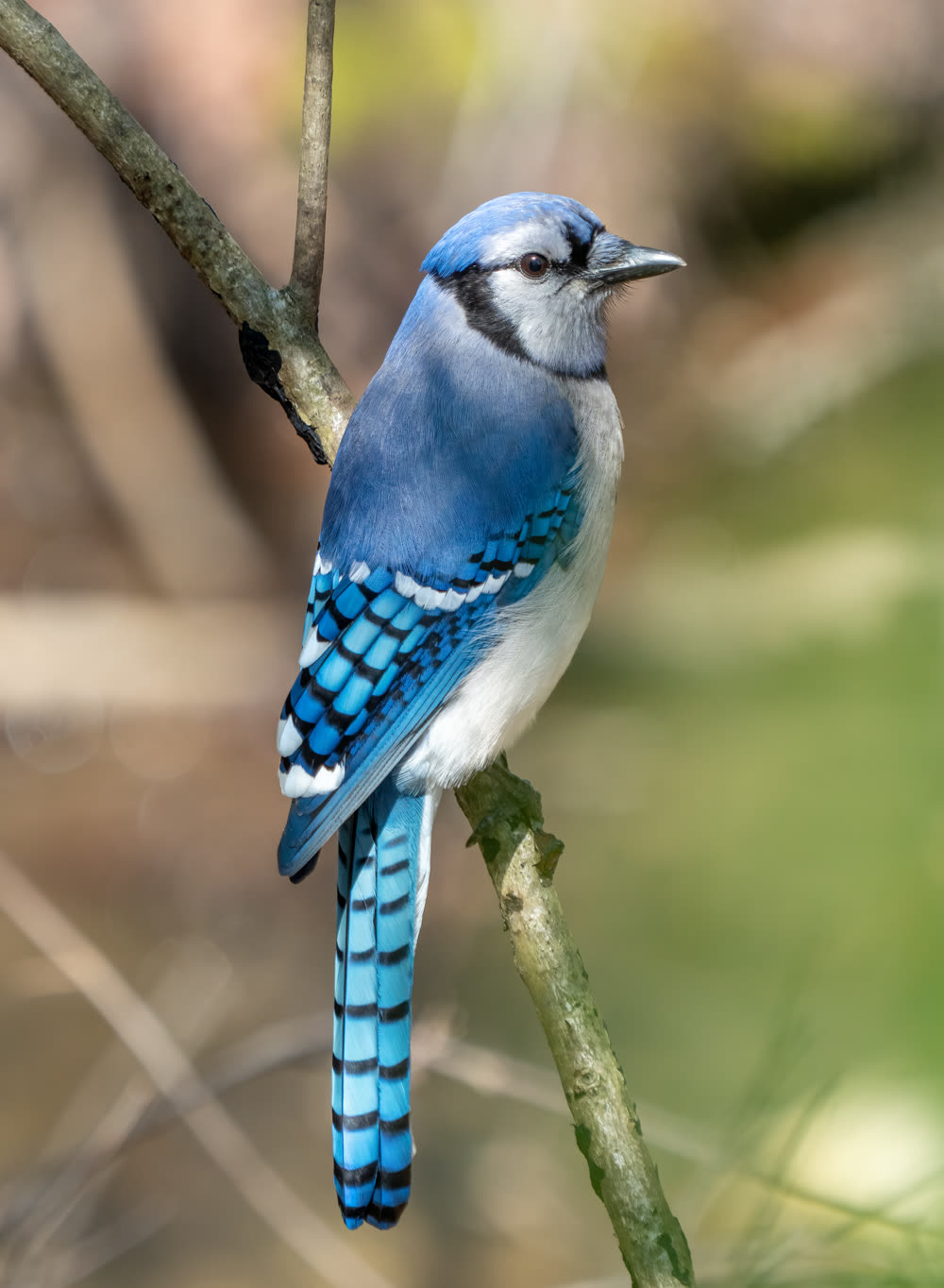
Blue Jay
Eastern Bluebird
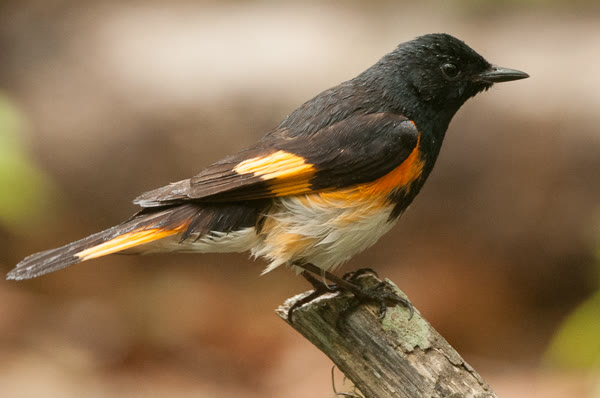
Warbler