Bird Songs for Identification: Learn to Identify 20 Species by Ear
Bird songs are more than beautiful background noise — they are the primary way many species communicate, establish territory, and attract mates. Learning to identify birds by their songs transforms your relationship with the natural world, allowing you to detect birds you would never see and understand their behavior more deeply.
How Bird Songs Work
Songs are complex, learned vocalizations used primarily for territory defense and mate attraction. Calls are simpler, innate sounds used for alarm, contact, and feeding. Most songbirds learn their songs from adult tutors during a critical period in their first spring. This learning process creates regional dialects — the same species sounds different in Maine versus Georgia.
20 Songs to Learn
Essential Bird Songs
American Robin Song
Classic cheerily, cheer-up, cheer-O
Wood Thrush Song
Ethereal, fluting melody — the sound of deep forest
Song Sparrow Song
Variable ending trill — each individual is unique
Using Technology
Apps like Merlin Bird ID, Audubon Bird Song Simulator, and our AI Smart Bird Feeder's built-in audio recognition make learning songs easier than ever. Record songs from your feeder, compare them to the database, and gradually train your ear.
Training Your Ear
- Focus on one species at a time — master it before moving on
- Listen at dawn — the peak singing period
- Hum or whistle the song along with recordings
- Draw the song pattern — pitch goes up, down, or stays level
- Use the Merlin Bird ID Song Identifier feature
- Keep a listening journal of daily detections
Why Songs Change
Bird songs evolve through cultural transmission, regional dialects, and environmental adaptation. Urban birds often sing louder and at higher pitches to overcome traffic noise. Climate change is shifting song timing, with some species singing earlier in spring as temperatures rise.
Bird Song Statistics
Q: Do female birds sing?
A: Yes! Many species thought to have only male singers — including House Sparrows and Northern Cardinals — have singing females. Female song often relates to territory defense and nest protection.
Featured Birds
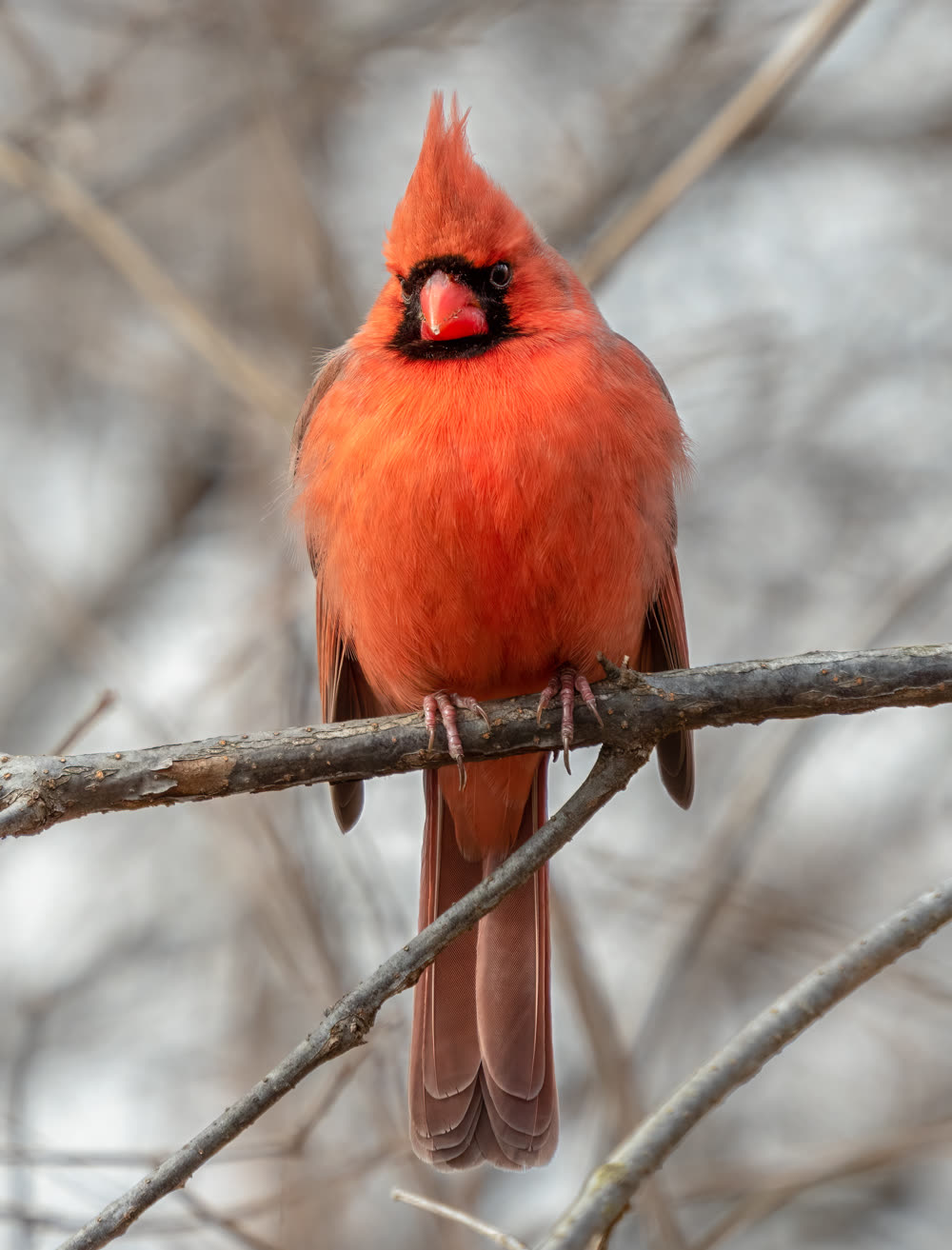
Northern Cardinal
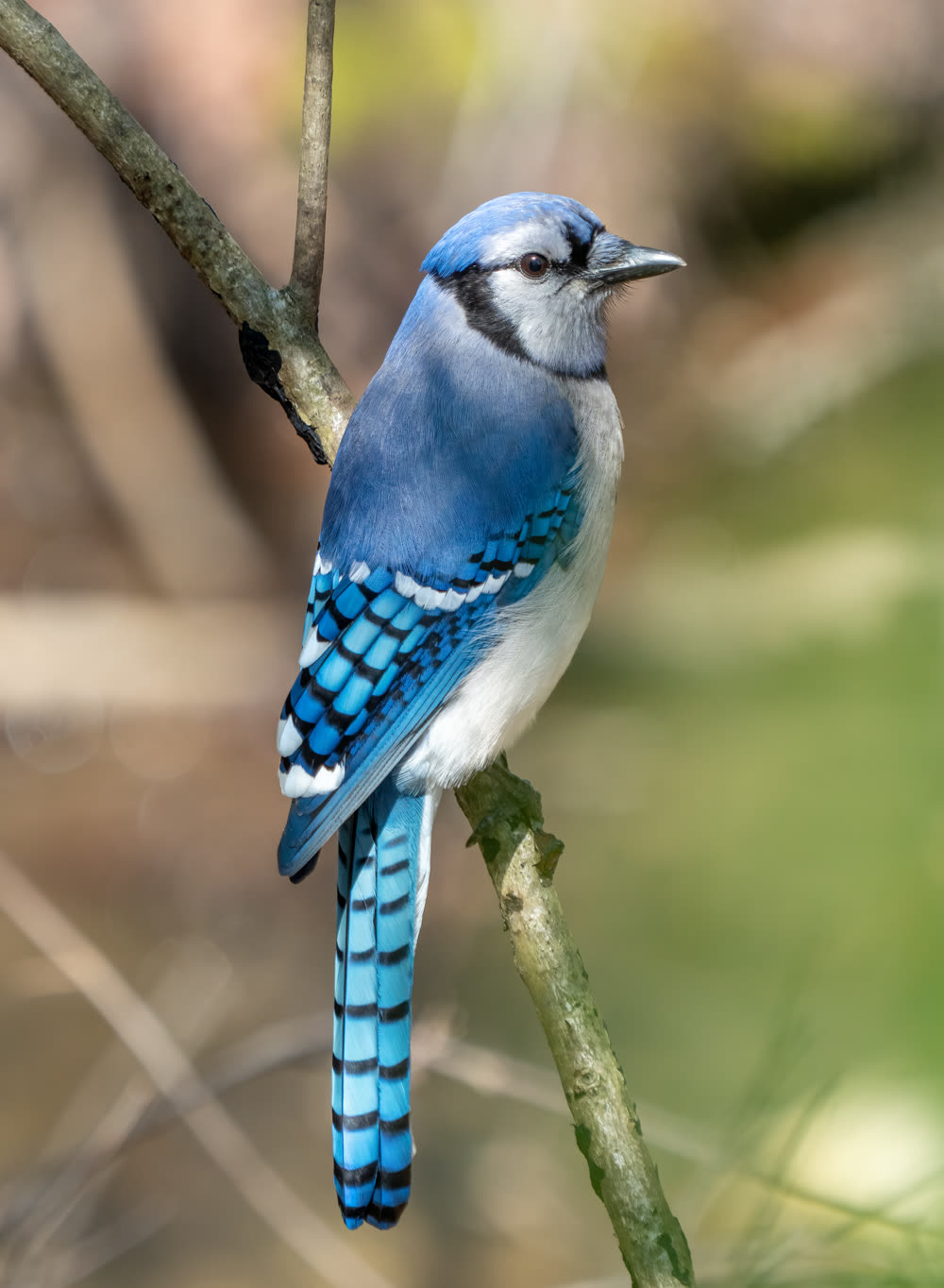
Blue Jay
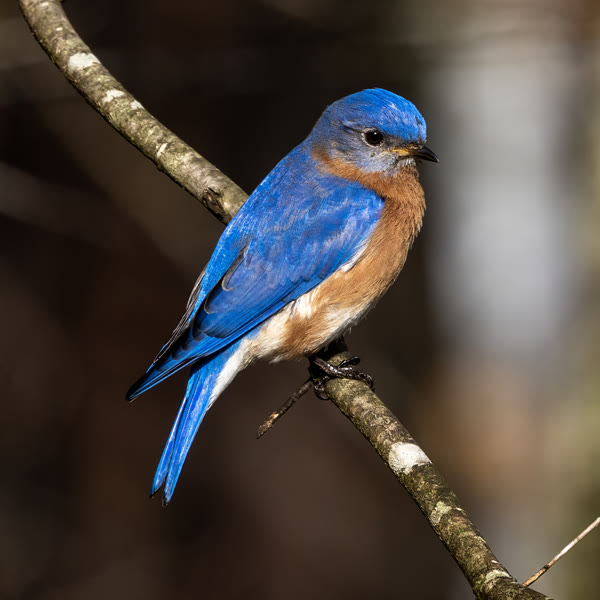
Eastern Bluebird
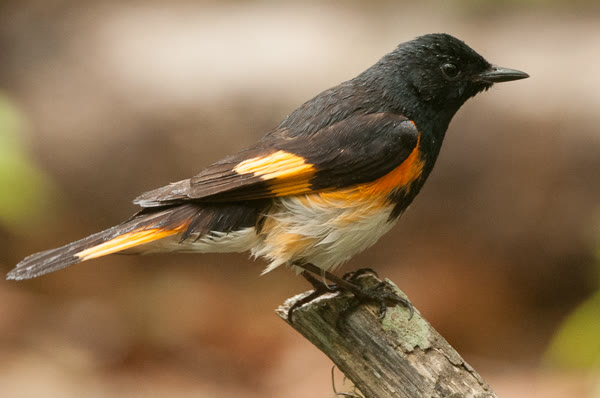
Warbler