Bird Photography Basics: Capturing Stunning Shots Without Expensive Gear
Bird photography is one of the most rewarding aspects of bird watching. Capturing a sharp, well-composed image of a bird in natural behavior creates lasting memories and shareable moments. While professional wildlife photographers use expensive telephoto lenses, you can take excellent bird photos with a smartphone or entry-level camera using the right techniques.
Smartphone Bird Photography
Smartphone Settings for Birds
Composition Tips
Photography Composition
- Fill the frame — get as close as possible
- Eye level with the bird — shoot from the birds perspective
- Simple background — avoid busy backgrounds that distract
- Rule of thirds — place the bird off-center
- Natural light — golden hour (sunrise/sunset) is best
- Patience — wait for the bird to settle into a good pose
The AI Feeder Advantage
Our AI Smart Bird Feeder is essentially a bird photography studio. The fixed distance, consistent lighting, and automatic capture mean every visit produces a clean, well-framed image. The 1080P camera with HDR processing delivers sharper results than most smartphone shots taken at distance.
Feeder Photography Examples
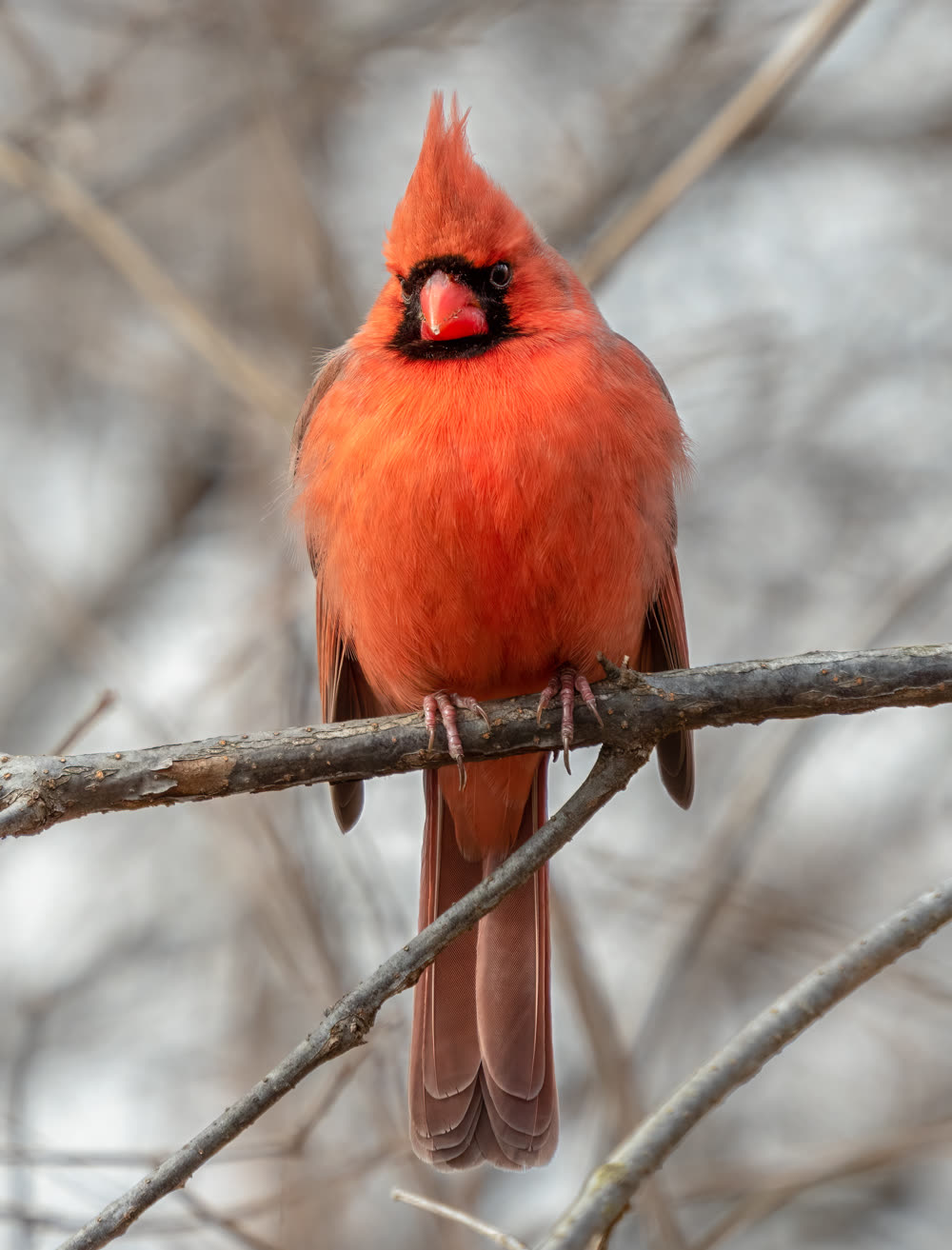
Cardinal at feeder
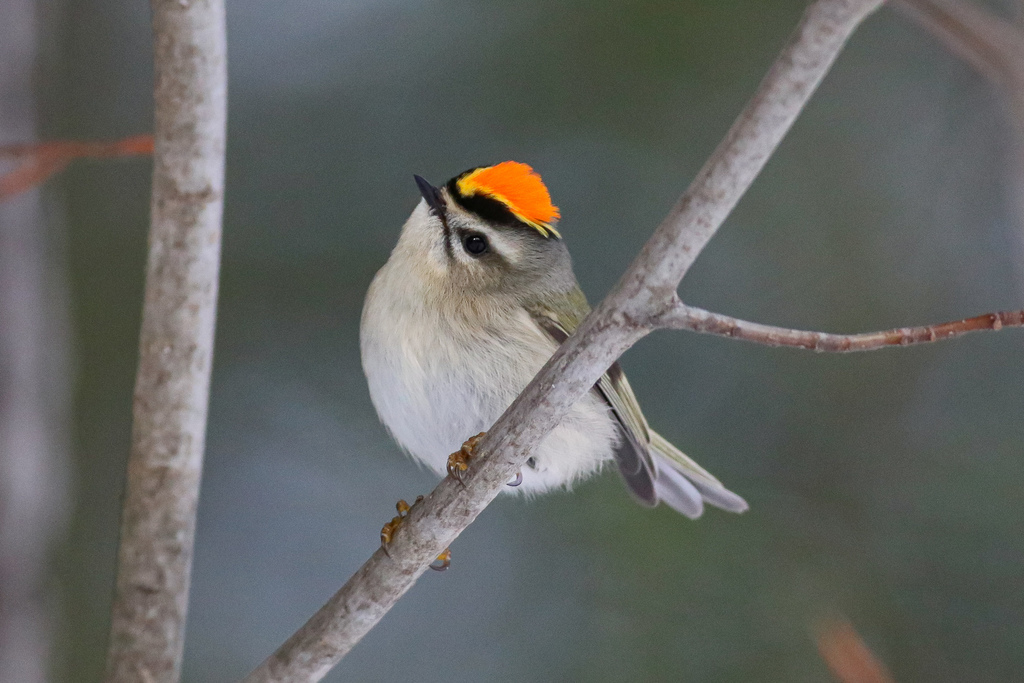
Chickadee close-up
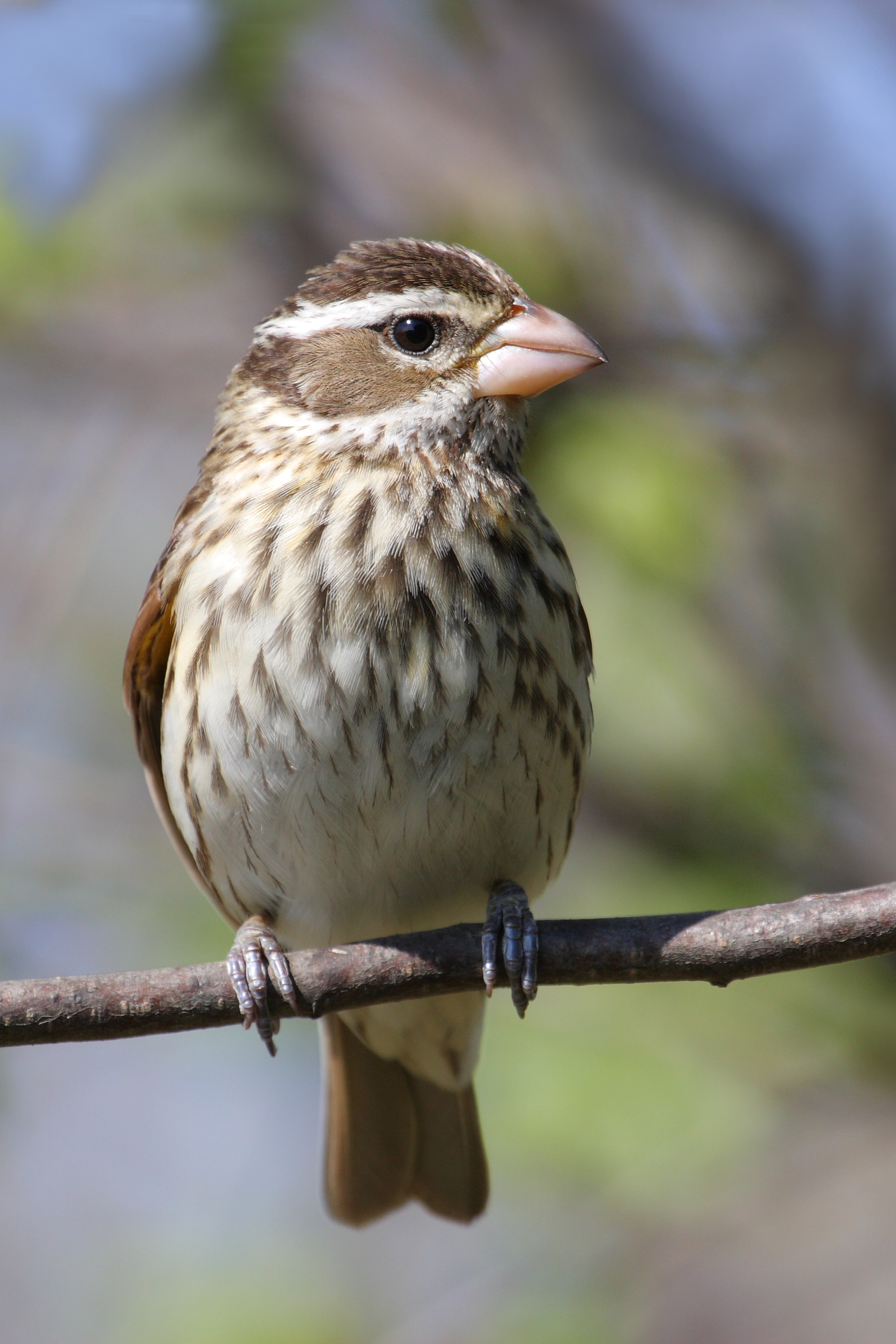
Goldfinch on seed
Cardinal at the Feeder
Cardinal singing while feeding — the photographer's dream subject
Advanced Techniques
Once comfortable with smartphone photos, consider a DSLR or mirrorless camera with a 100–400mm lens. Learn about shutter speed (1/1000s minimum for perching birds, 1/2000s for flight), ISO settings, and continuous autofocus tracking.
Photography Stats
Q: Can I photograph birds without getting close?
A: Smartphone digital zoom produces poor results beyond 2x. Get physically closer, use a telephoto attachment lens ($20–$50 clip-on), or use our AI Smart Bird Feeder which captures sharp images at a fixed distance.
Featured Birds
Northern Cardinal
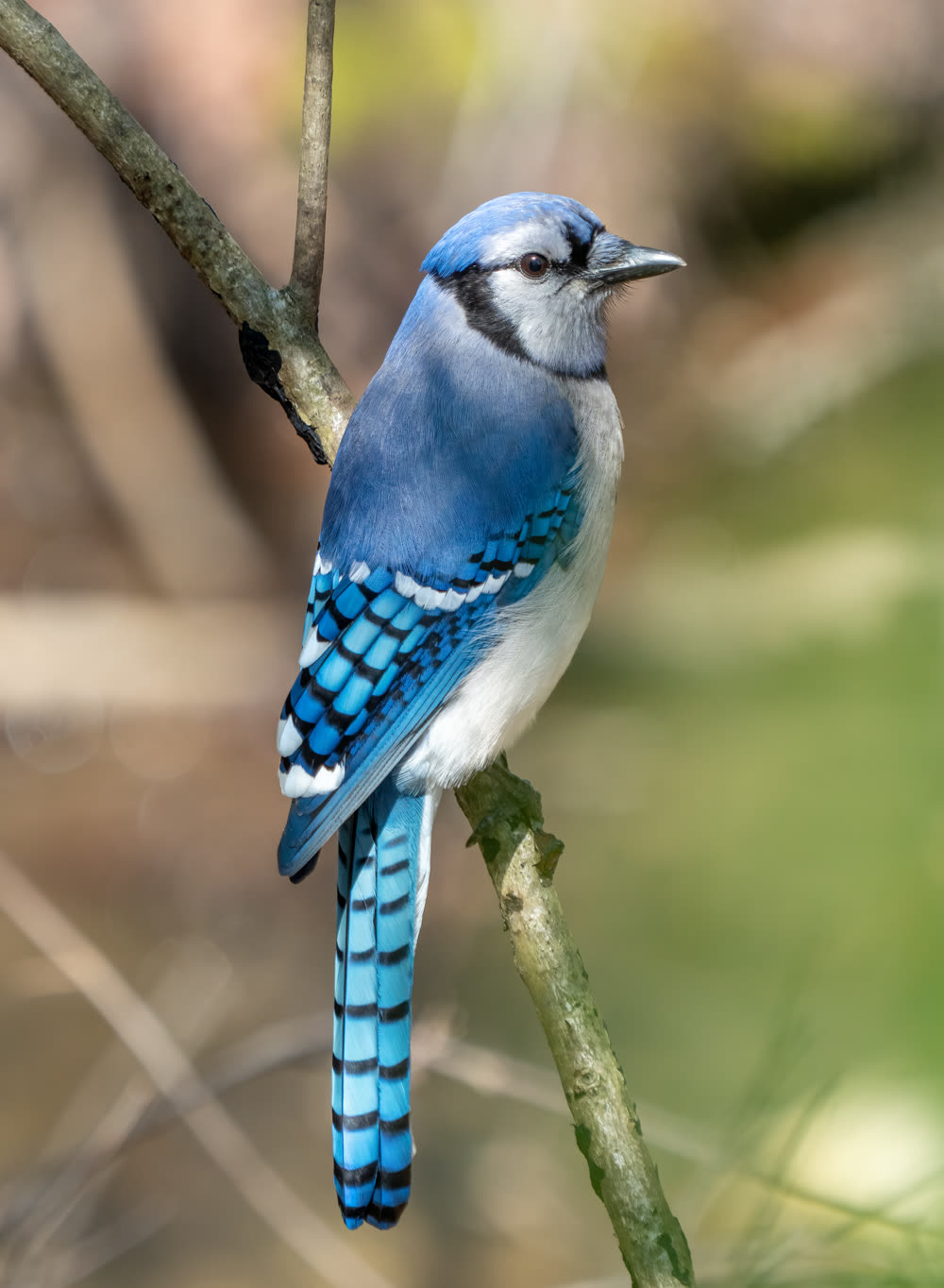
Blue Jay
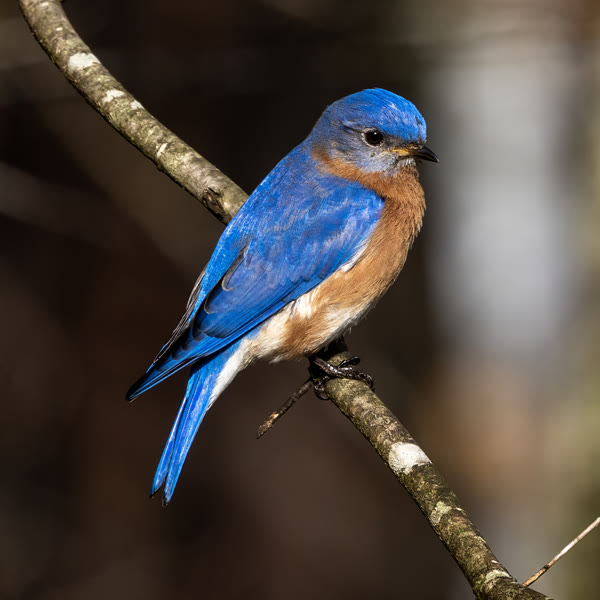
Eastern Bluebird
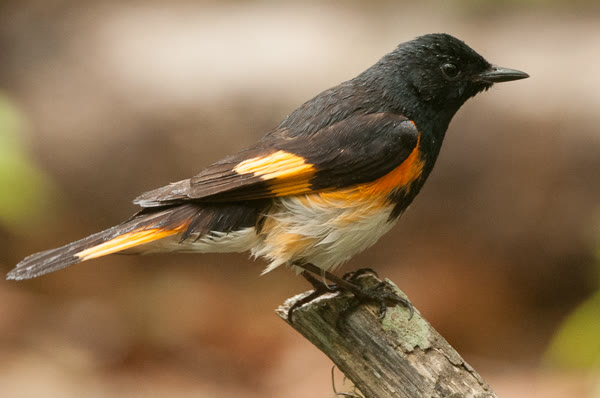
Warbler