Bird Journal: How to Keep a Meaningful Bird Watching Log
Keeping a bird journal is one of the most satisfying aspects of bird watching. It transforms fleeting moments of observation into a permanent record that documents your progress, reveals patterns, and contributes to scientific research. In the digital age, journals take many forms — from paper notebooks to apps to automated AI feeder logs.
Journal Formats
Journal Formats
| Feature | Paper Notebook | Digital App |
|---|---|---|
| Portability | Bulky | Phone in pocket |
| Data Entry | Handwritten | Typed or voice |
| Searchability | Cannot search | Instant search |
| Photos | Sketches only | Attach photos |
| Sharing | Manual transcription | Auto-share to eBird |
| Backup | Risk of loss | Cloud backup |
What to Record
Essential Journal Entries
Journal Species Examples
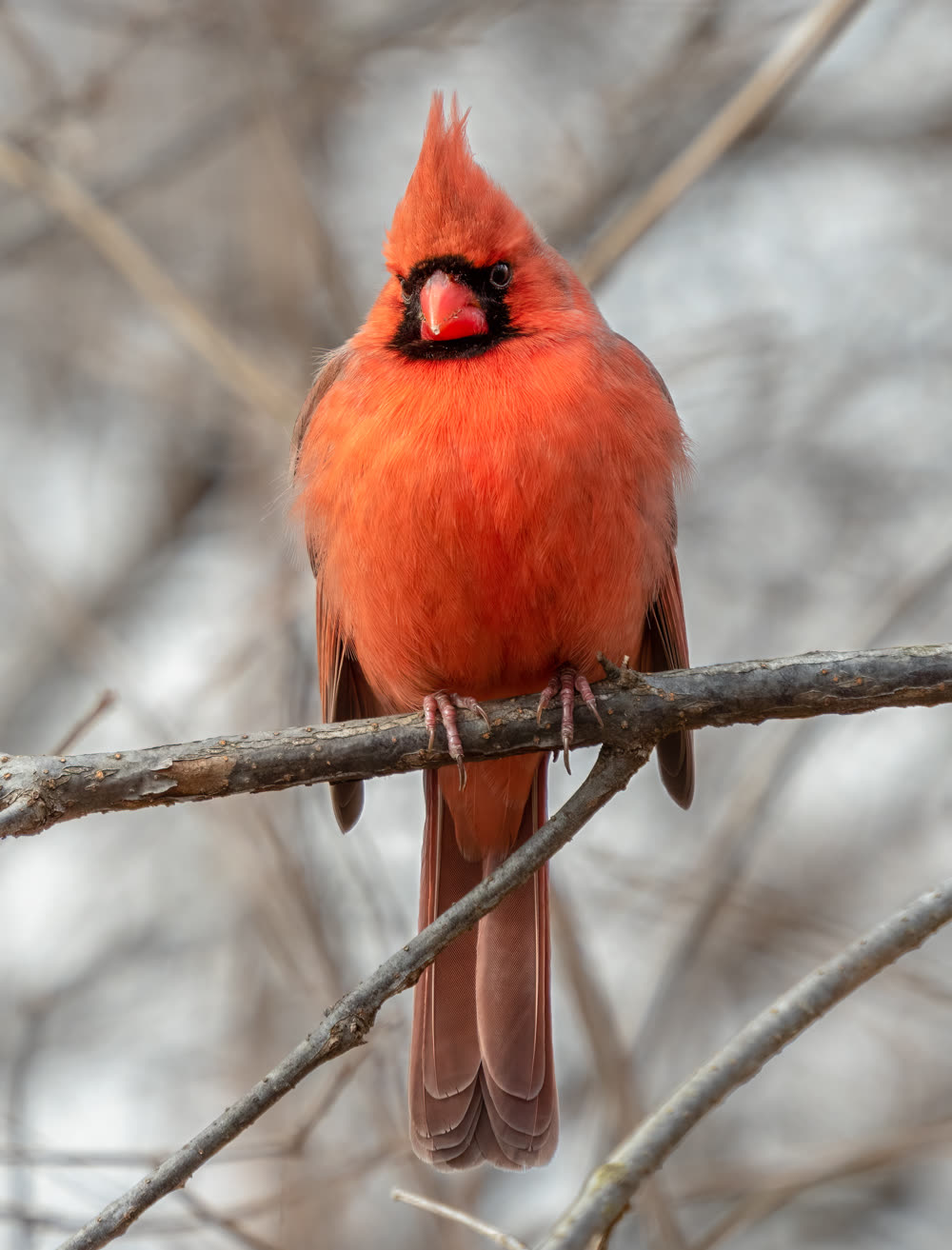
Cardinal — first entry in every journal
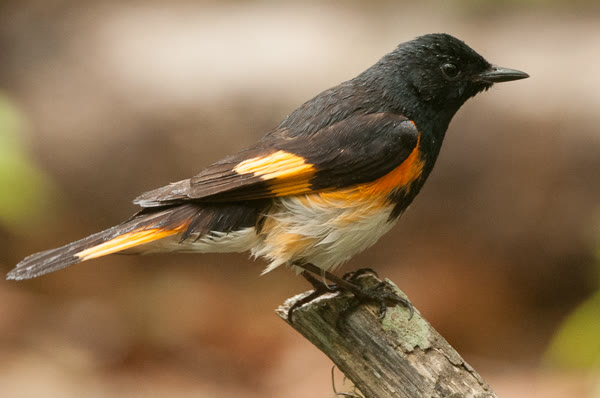
Warbler — migration journal highlight
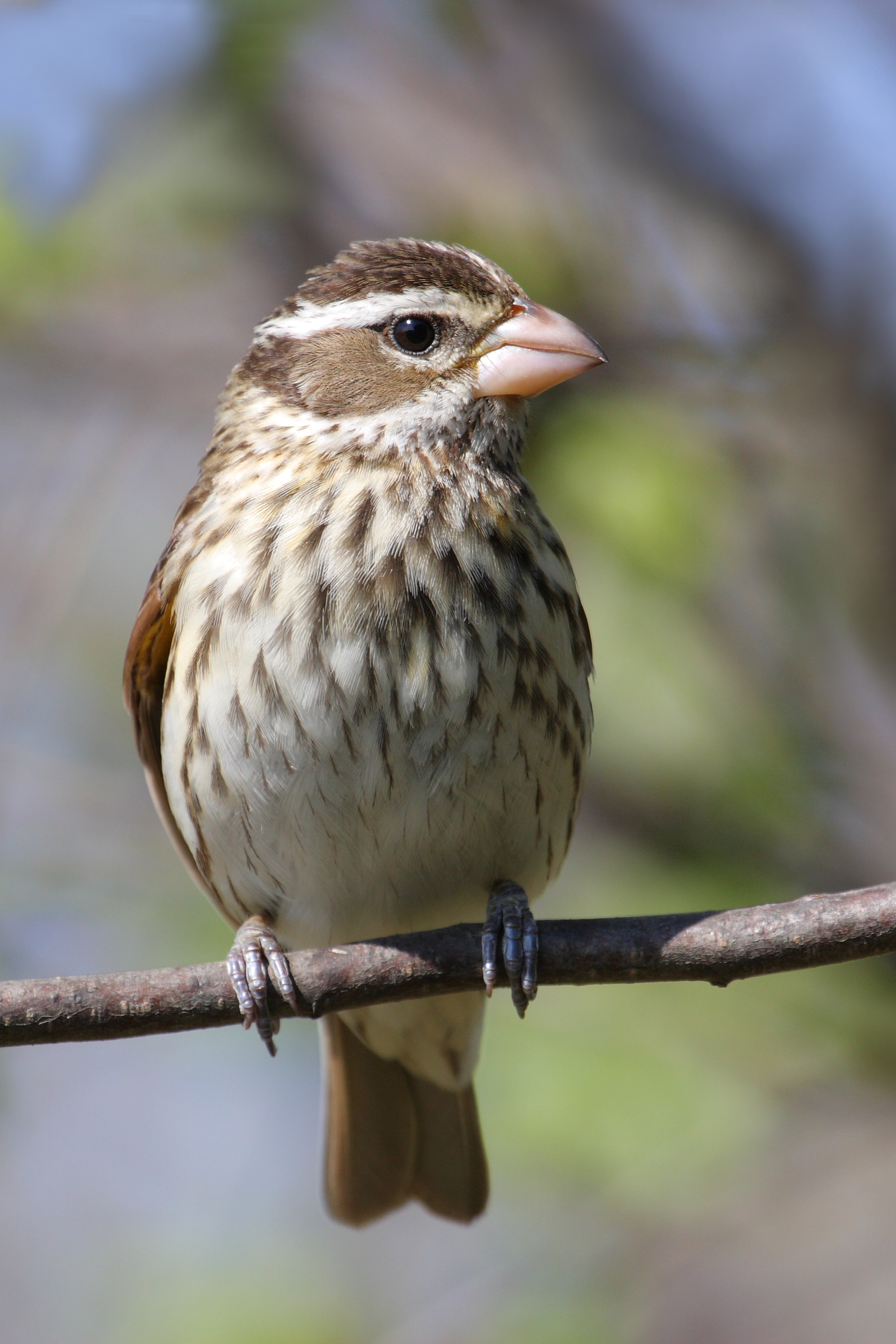
Goldfinch — seasonal change example
Journal Ambience
Mockingbird — the species that mimics all others, perfect for a journal theme
Automated Journaling
Our AI Smart Bird Feeder automates journal keeping entirely. Every visitor is logged with timestamp, species ID, photo, and behavior notes. The built-in app generates monthly and annual reports, species checklists, and eBird-compatible data exports.
Journaling by Season
Spring
Record first arrivals — migration timing
Track spring progression
Summer
Note nesting behavior
Observe breeding activities
Fall
Document species turnover
Note migrant departures
Winter
Count resident populations
Track winter visitors
Journal Impact
Q: Do I need to journal to be a birder?
A: No, but journaling dramatically deepens your connection to bird watching. It reveals patterns you would otherwise miss and creates a personal record of your birding journey.
Featured Birds
Northern Cardinal
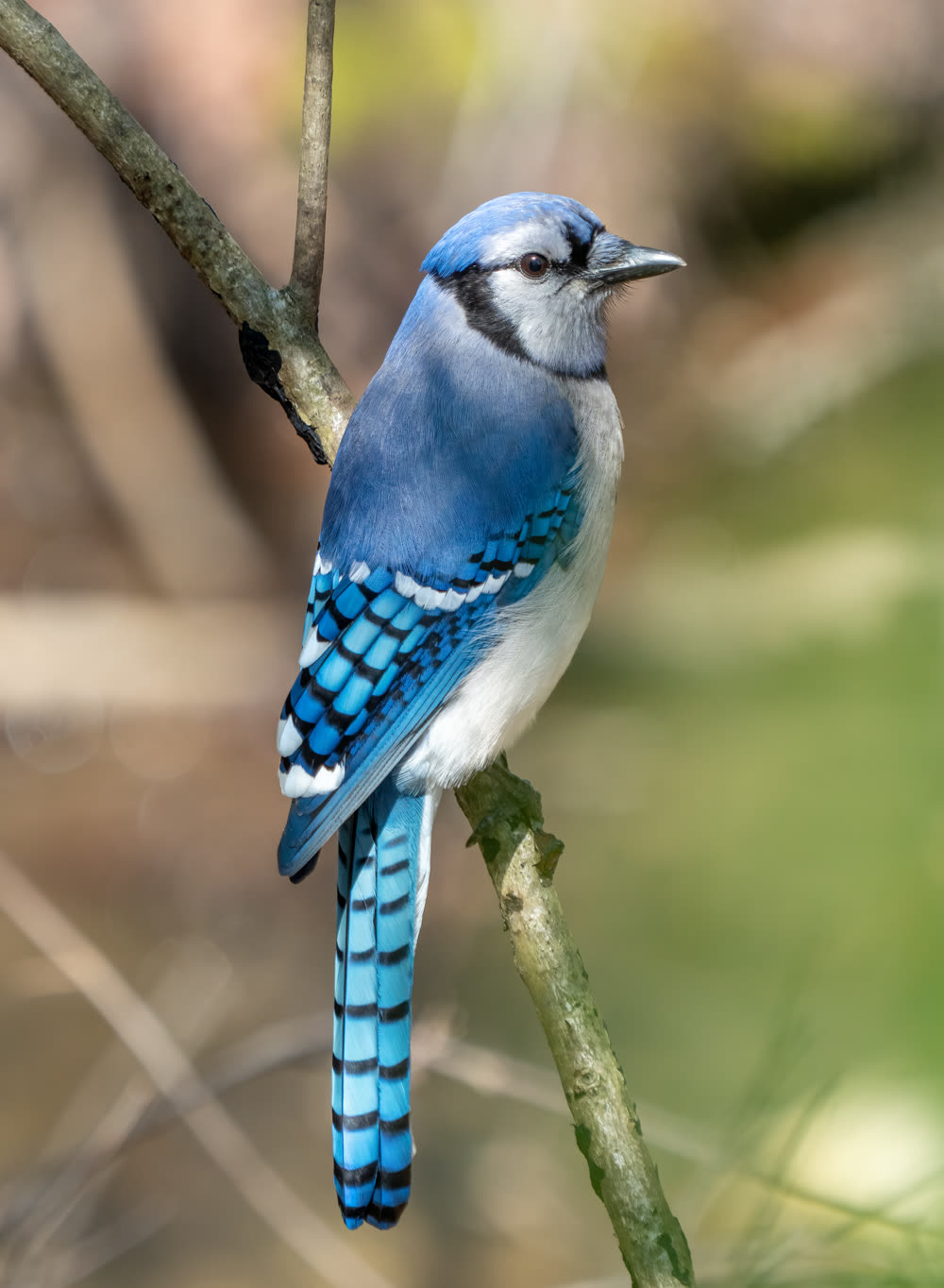
Blue Jay
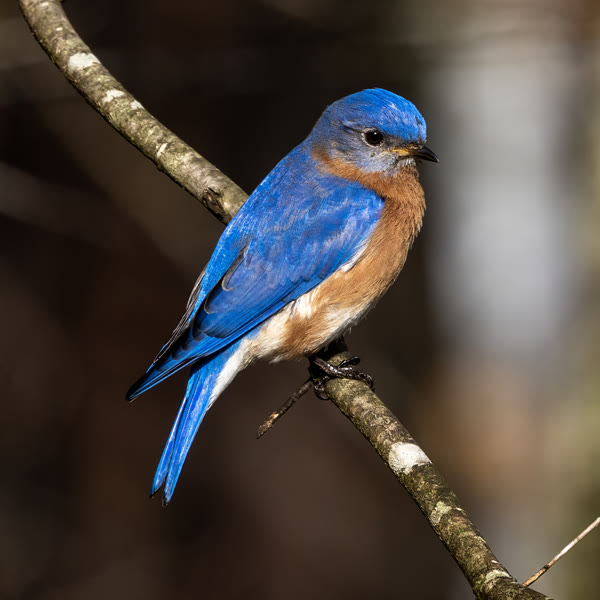
Eastern Bluebird
Warbler