Bird Garden Design: Creating a Beautiful, Functional Habitat
A well-designed bird garden is both a pleasure to look at and a powerhouse for wildlife. The key is layering: combining canopy trees, understory plants, shrubs, and ground cover to create a three-dimensional habitat that supports diverse species while looking beautiful from your window.
Design Principles
Garden Design Elements
Garden Design Inspiration
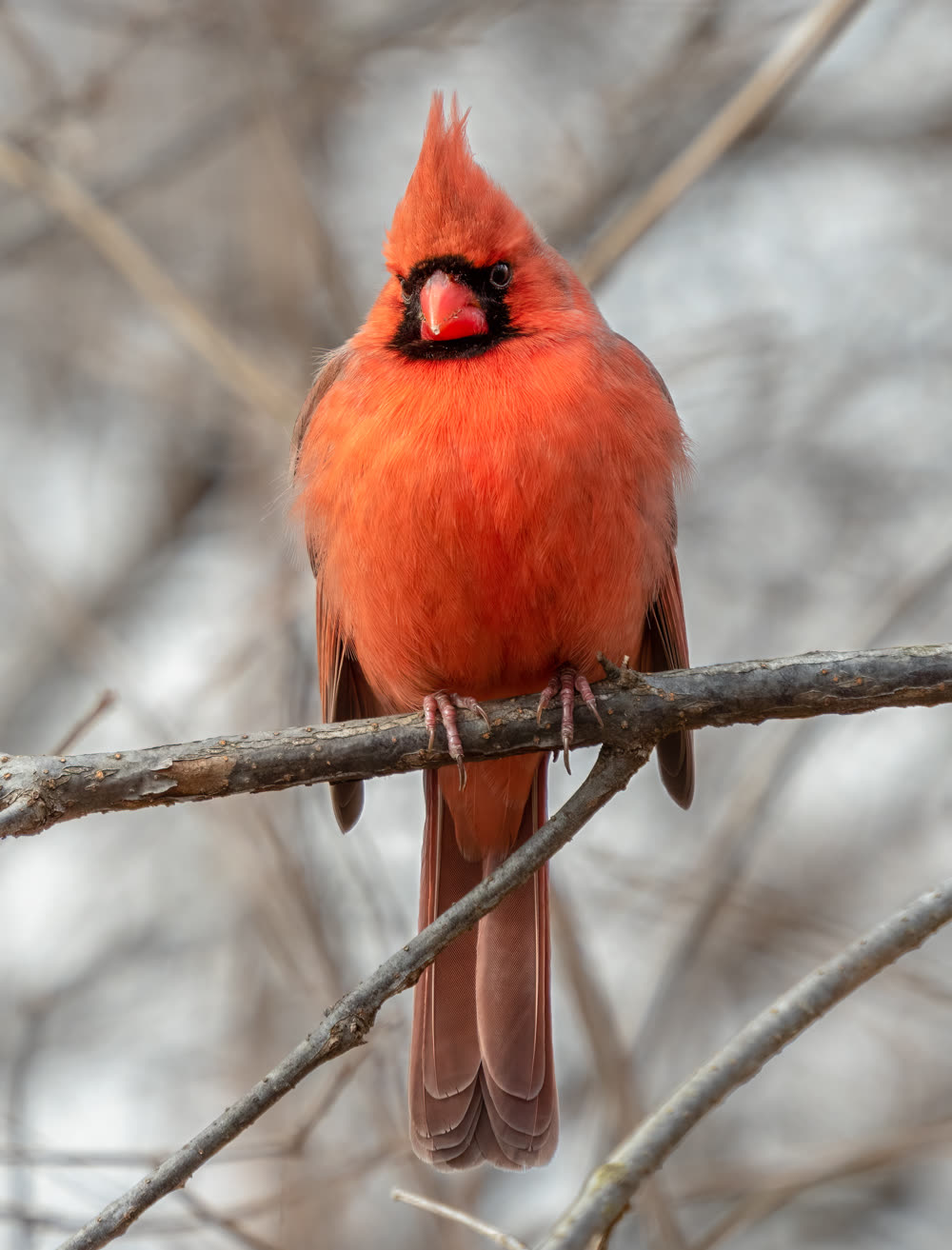
Cardinal in native flower garden
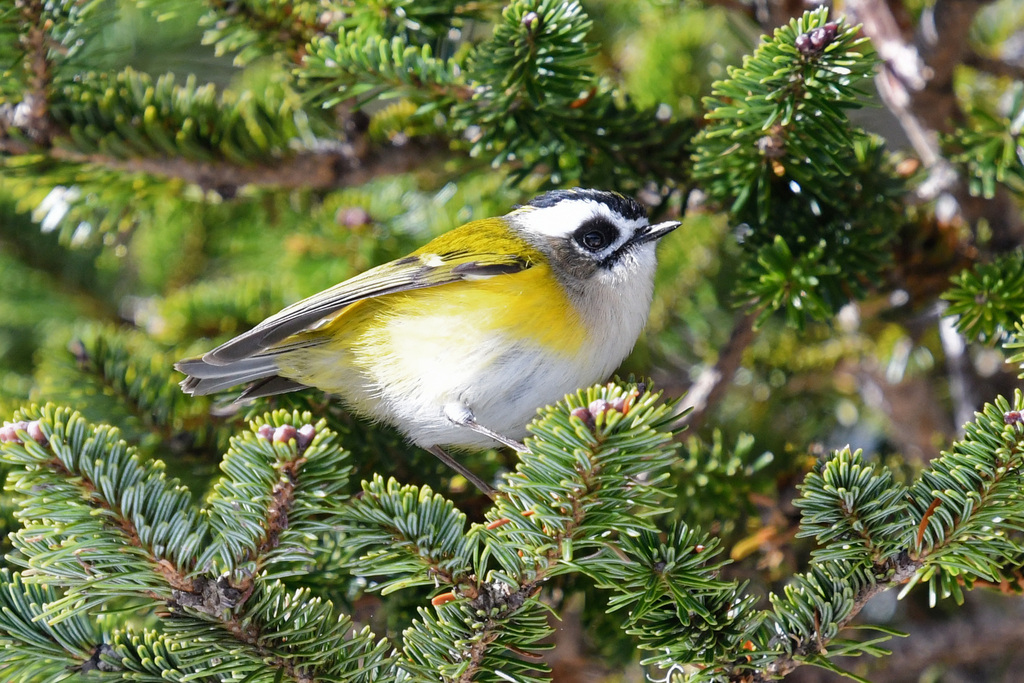
Kinglet in layered shrub garden
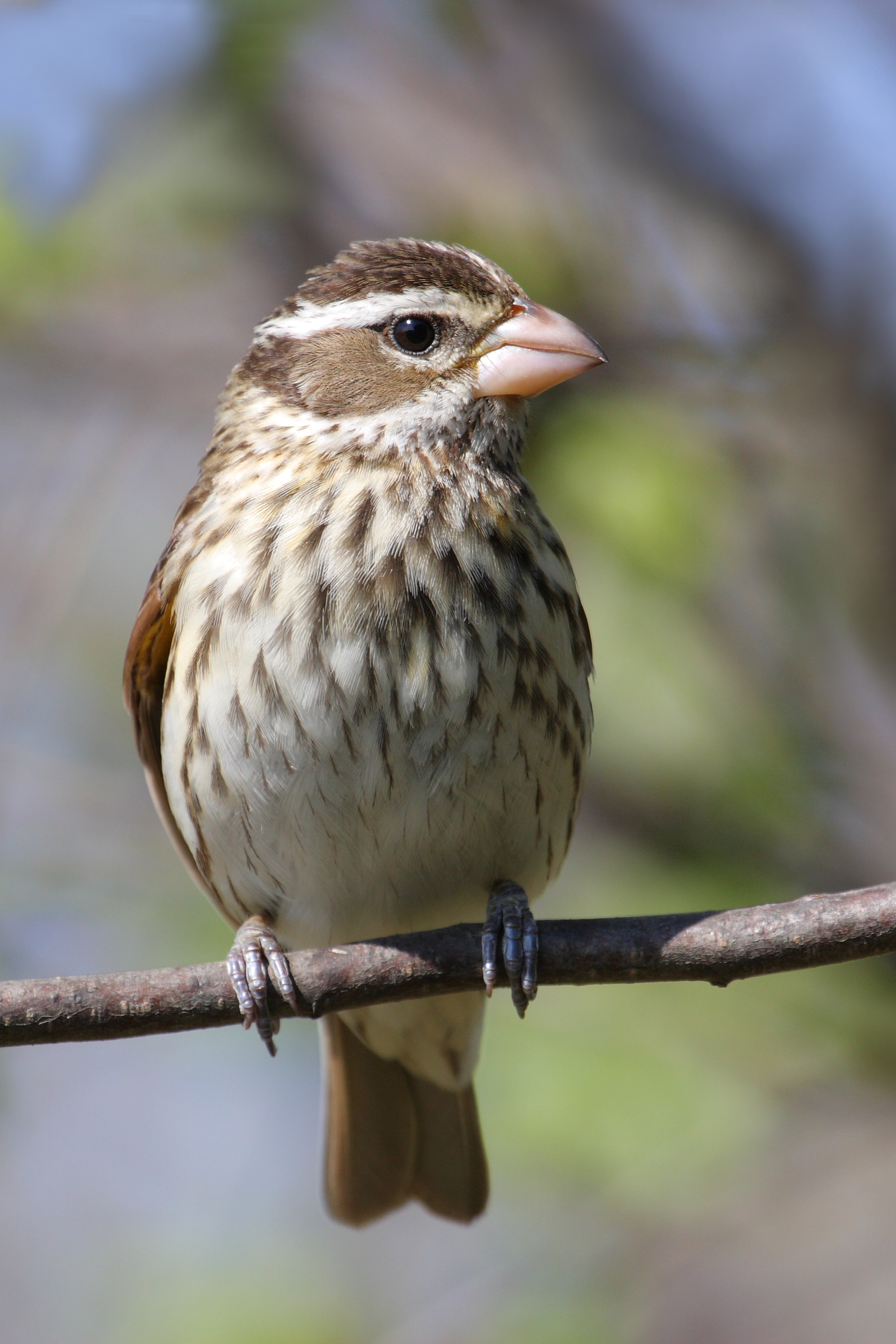
Goldfinch on coneflower
Garden Morning Song
Yellow Warbler singing from the garden canopy
Seasonal Color and Food
Four-Season Garden
Spring
Crocus, tulips, serviceberry bloom
Returning migrants, nesting pairs
Summer
Coneflowers, bee balm, sunflowers
Breeding adults, fledglings
Fall
Asters, goldenrod, berry shrubs
Migrants fueling up
Winter
Evergreens, seed heads, bark multi-stem
Residents, winter visitors
Garden Design Inspiration
Native flower garden
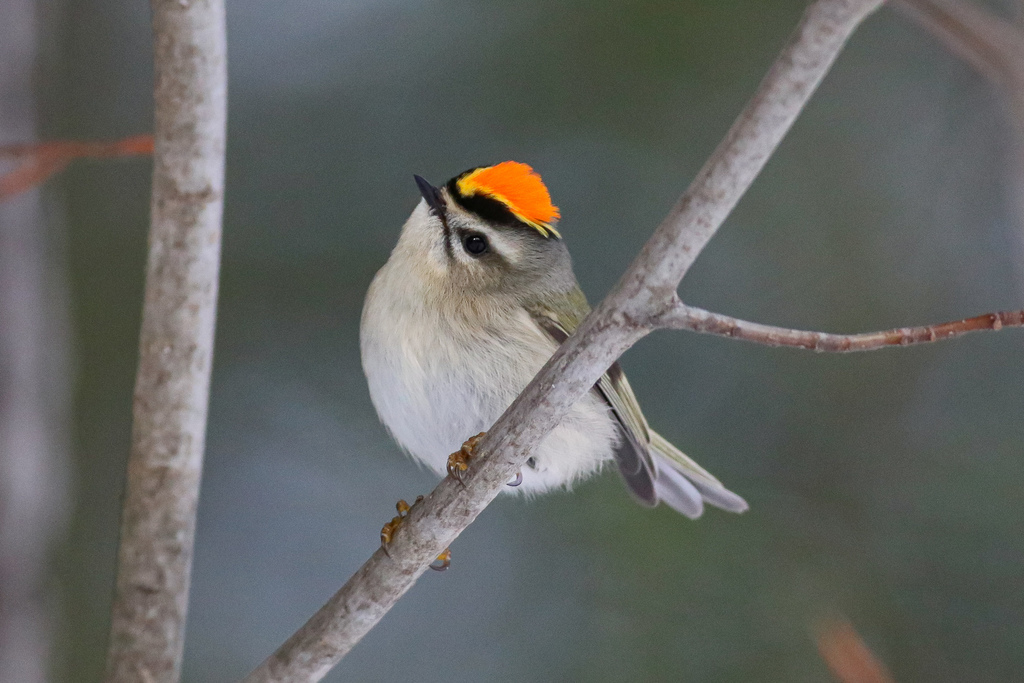
Bird bath with backdrop
Layered planting design
Integrating Technology
Position your AI Smart Bird Feeder where it captures the best views of your garden. The wide-angle lens frames both the feeder and surrounding plants, creating beautiful composition shots of birds in their habitat.
Design Mistakes to Avoid
- Too many non-native ornamental plants
- Feeder placed in open with no nearby cover
- No water source in the garden
- Removing dead wood and leaf litter
- Using pesticides that eliminate insect food sources
Garden Impact
Q: Can I design a bird garden in a small space?
A: Absolutely. Container gardening with native species, a wall-mounted bird bath, and a small feeder on a balcony all support birds. Vertical gardening maximizes limited space.
Featured Birds
Northern Cardinal
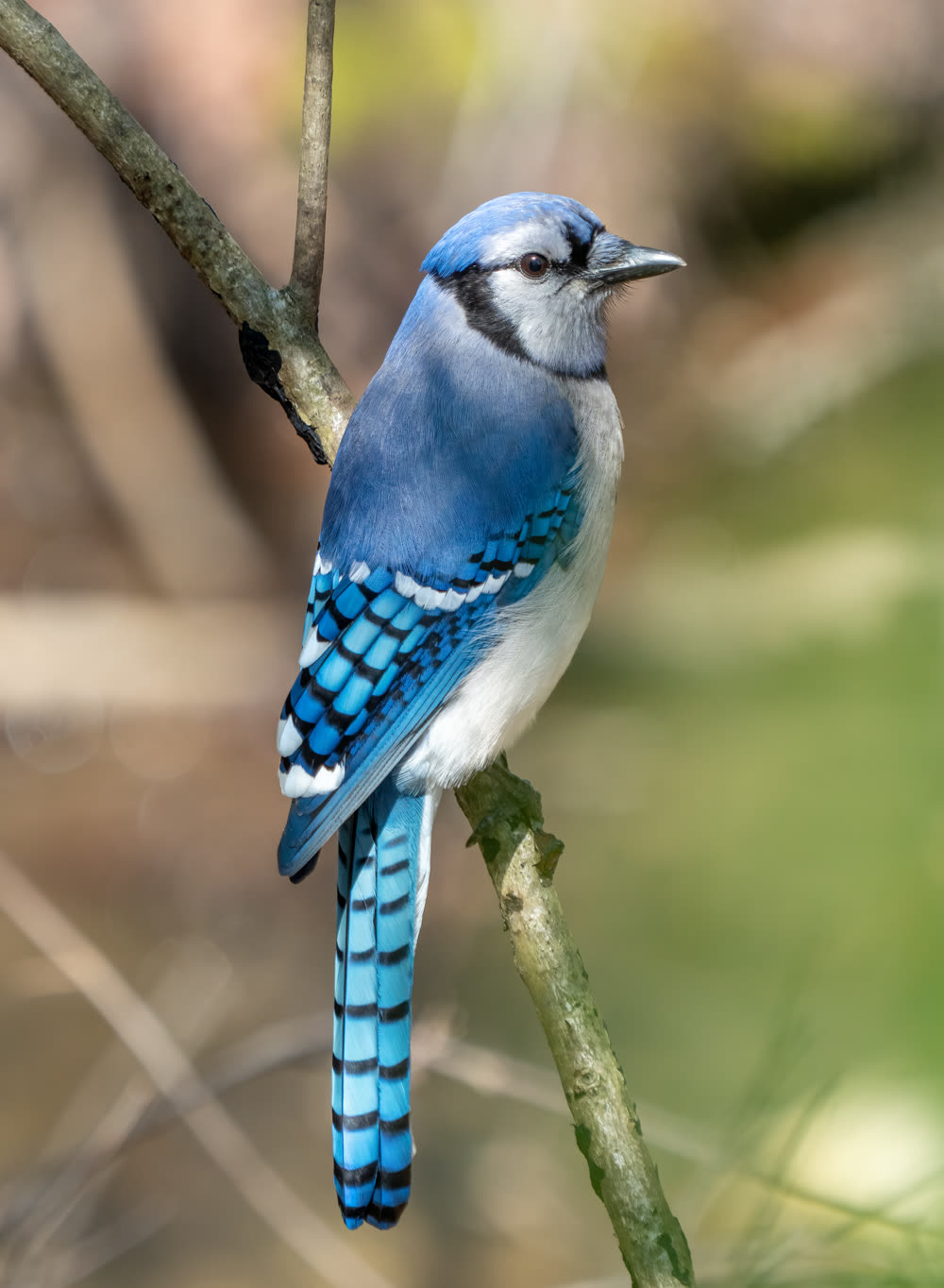
Blue Jay
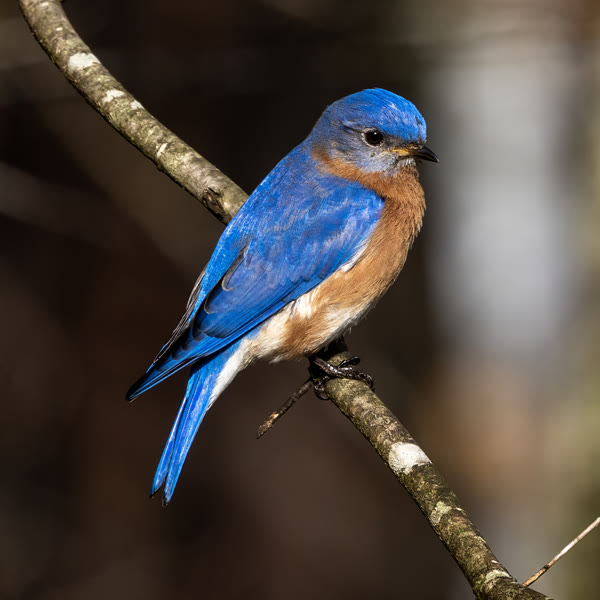
Eastern Bluebird
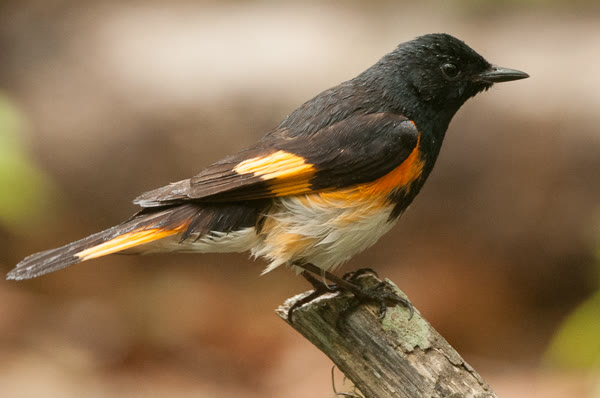
Warbler