Bird Bath Guide: Choosing, Placing, and Maintaining the Perfect Water Feature
A bird bath is one of the simplest and most rewarding additions to any bird-friendly yard. Water serves multiple purposes: bathing, drinking, cooling off in summer, and preening. Nearly every backyard bird species will visit a well-placed bird bath, from robins and sparrows to hummingbirds and bluebirds.
Choosing a Bird Bath
Bird Bath Types Compared
Bird Bath Visitors
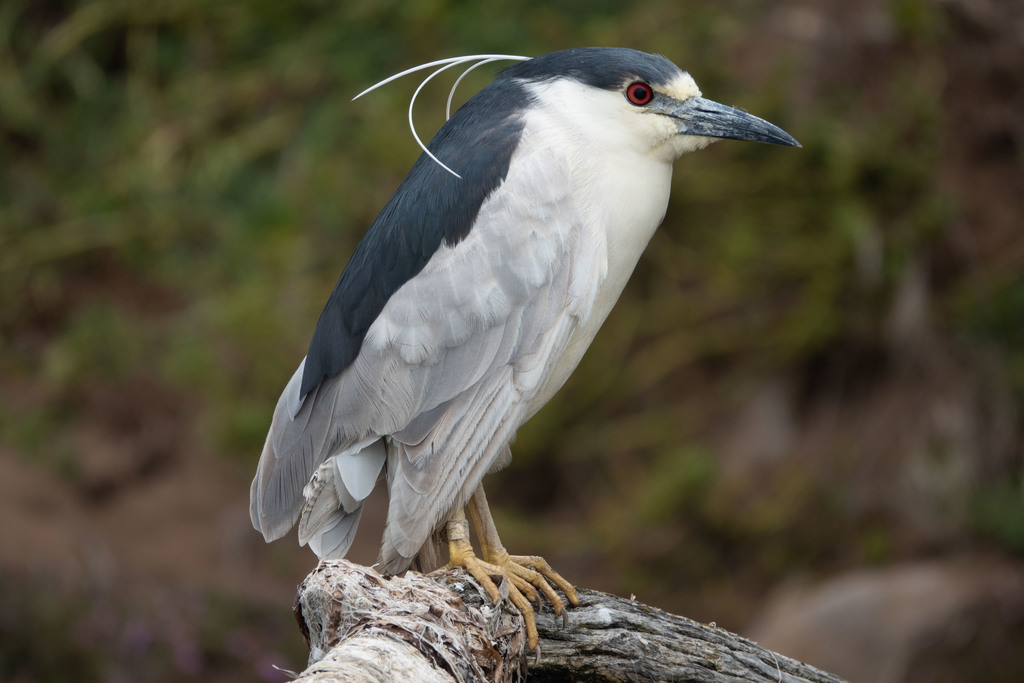
Great Blue Heron at water
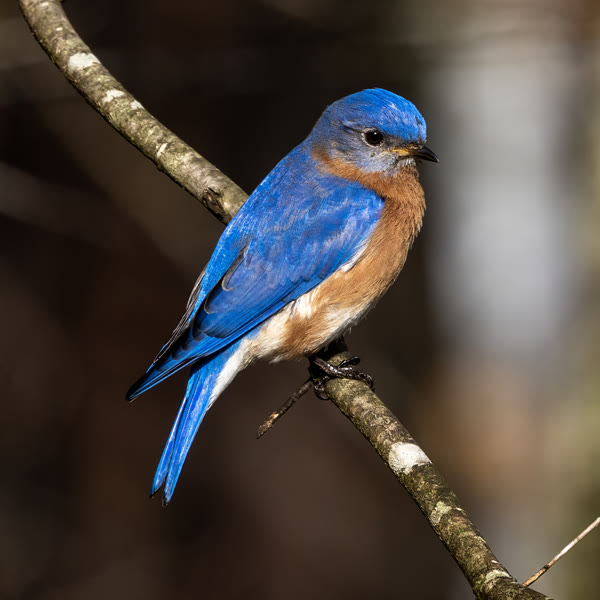
Eastern Bluebird bathing
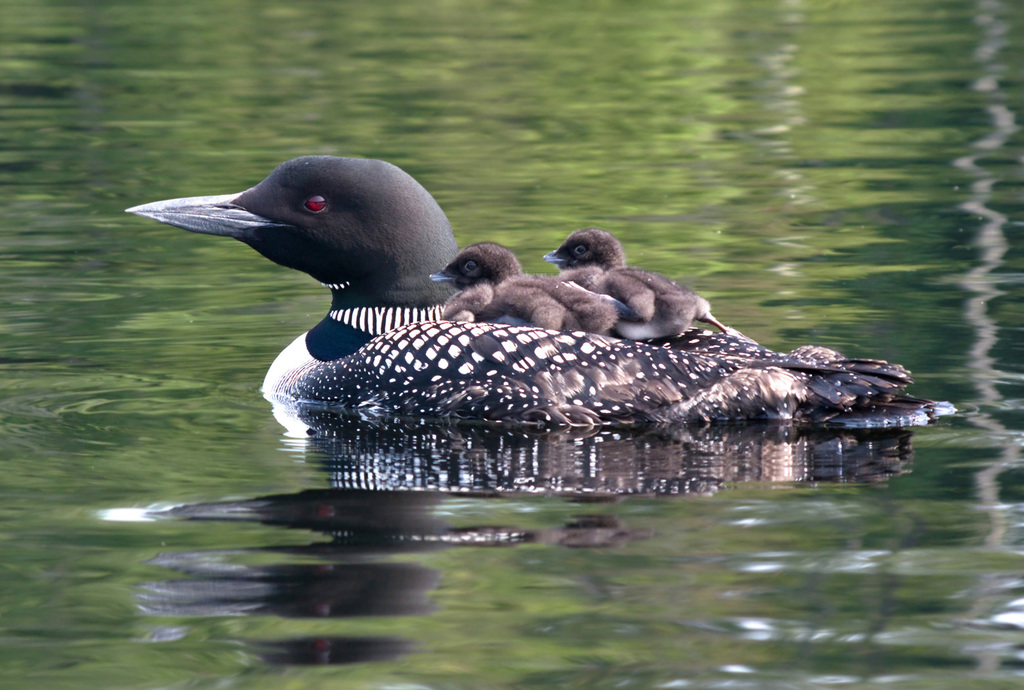
Common Loon on water
Robin Bath Song
Robin splashing and singing after a bath — a classic spring sound
Depth and Texture
The ideal bird bath has a shallow slope — no deeper than 2 inches at the edge, gradually deepening to 1.5–2 inches in the center. A rough or textured surface gives birds grip. Smooth porcelain or glass baths should have pebbles or a rough mat placed at the bottom.
Bird Bath Best Practices
- Keep water depth to 1.5–2 inches maximum
- Place in partial shade to reduce algae growth
- Clean weekly with a brush and 10% bleach solution
- Refresh water every 2–3 days in summer
- Add a dripper or mister to attract more species
- Position near cover but not so close that cats can ambush
Predator Safety
Cat Safety
Place bird baths at least 10 feet from hiding spots (dense shrubs) where cats can ambush. A bather near a window also provides early warning — birds become alert when a cat approaches.
Hummingbird Baths
Hummingbirds prefer shallow mist over still water. A fine mist from a dripper or mister attracts hummingbirds more effectively than a traditional bath. Our AI Smart Bird Feeder paired with a misting system creates the ultimate hummingbird station.
Bird Bath Statistics
Q: Should I add soap to the bird bath?
A: No. Plain water is best. Clean the bath itself regularly with a brush and mild bleach solution, but never add soap to the water — birds will ingest it while bathing.
Featured Birds
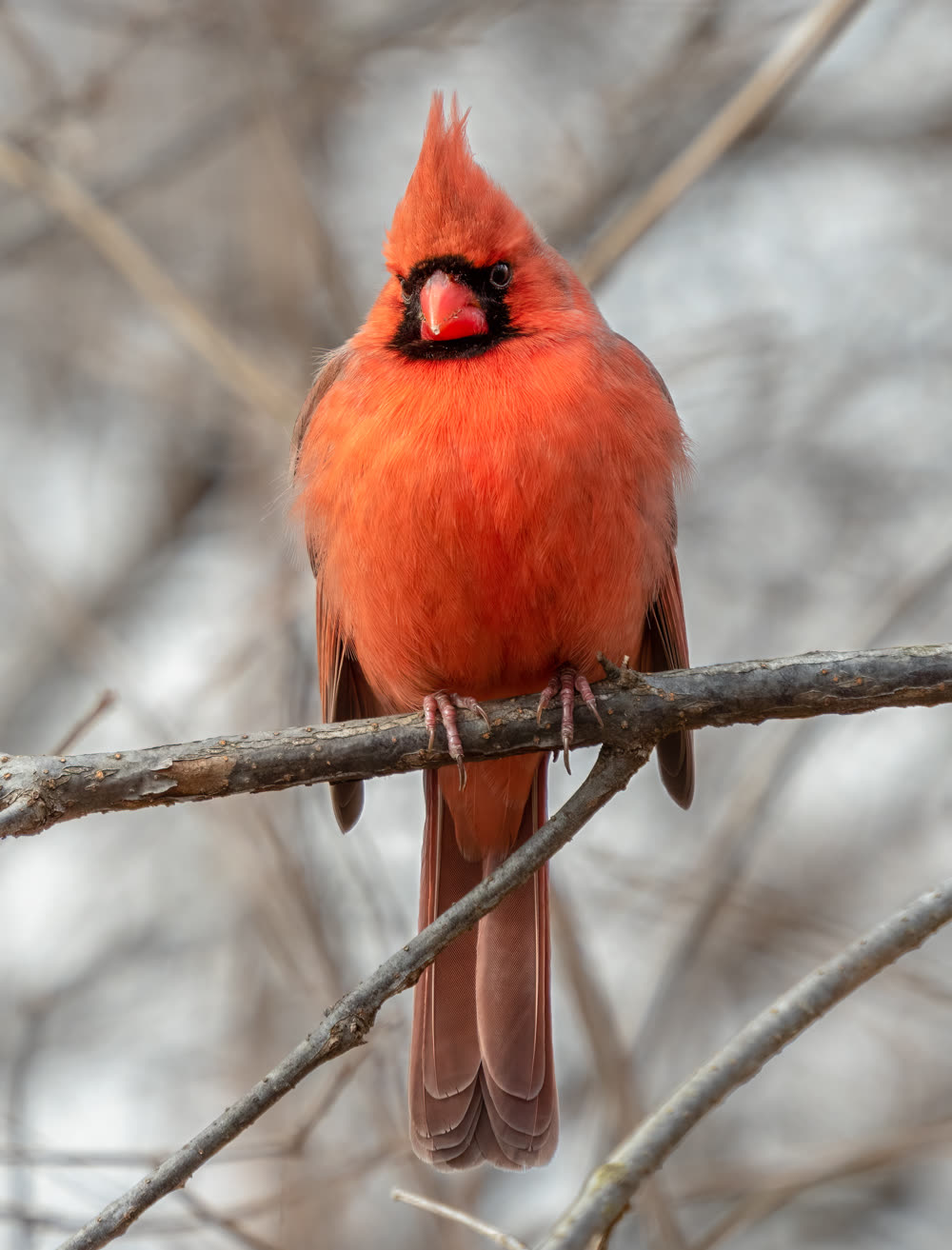
Northern Cardinal
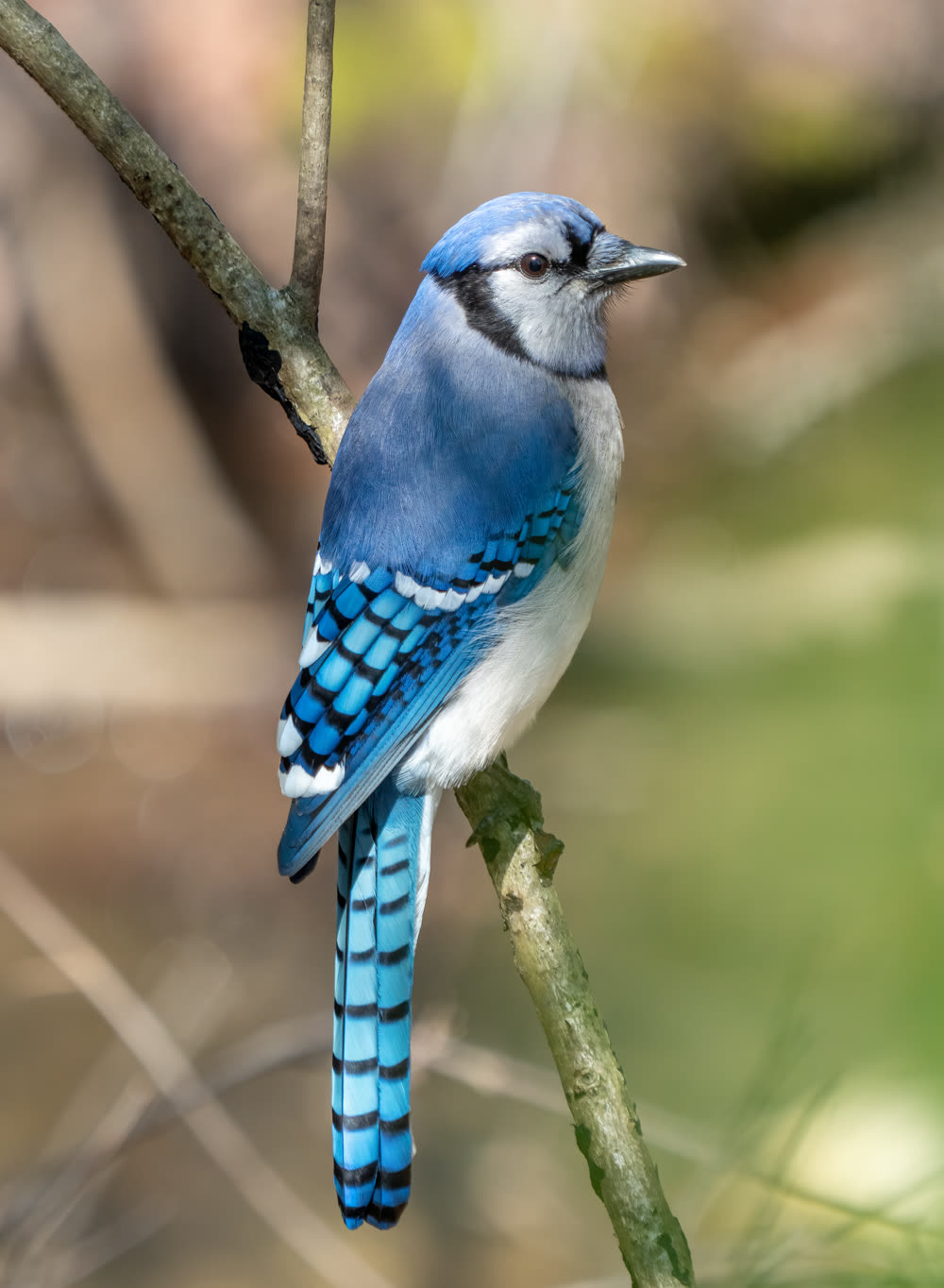
Blue Jay
Eastern Bluebird
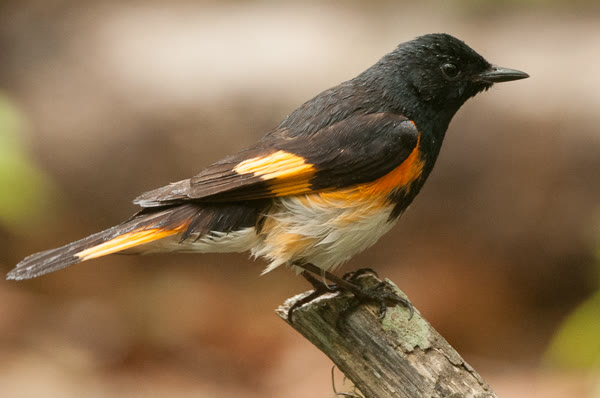
Warbler