Binoculars Guide: How to Choose the Best Binoculars for Bird Watching
Binoculars are the single most important piece of birding equipment after your eyes. The right pair transforms vague shapes into detailed observations of plumage, behavior, and field marks. With hundreds of options available, choosing the right binoculars can be overwhelming. This guide cuts through the noise.
Understanding Specifications
Binocular Specs Decoded
Binocular Viewing Examples
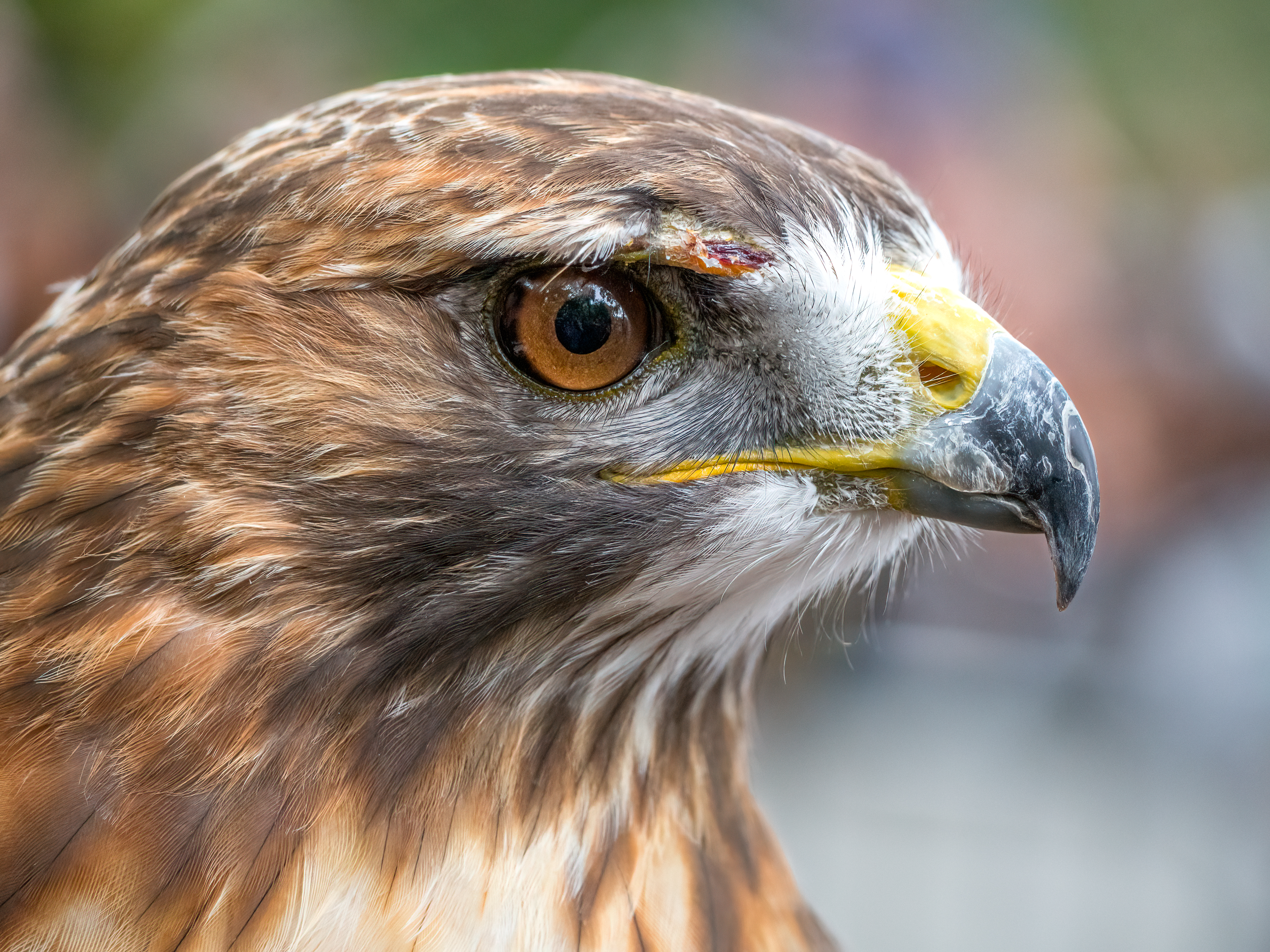
Bald Eagle through 10x42 binoculars
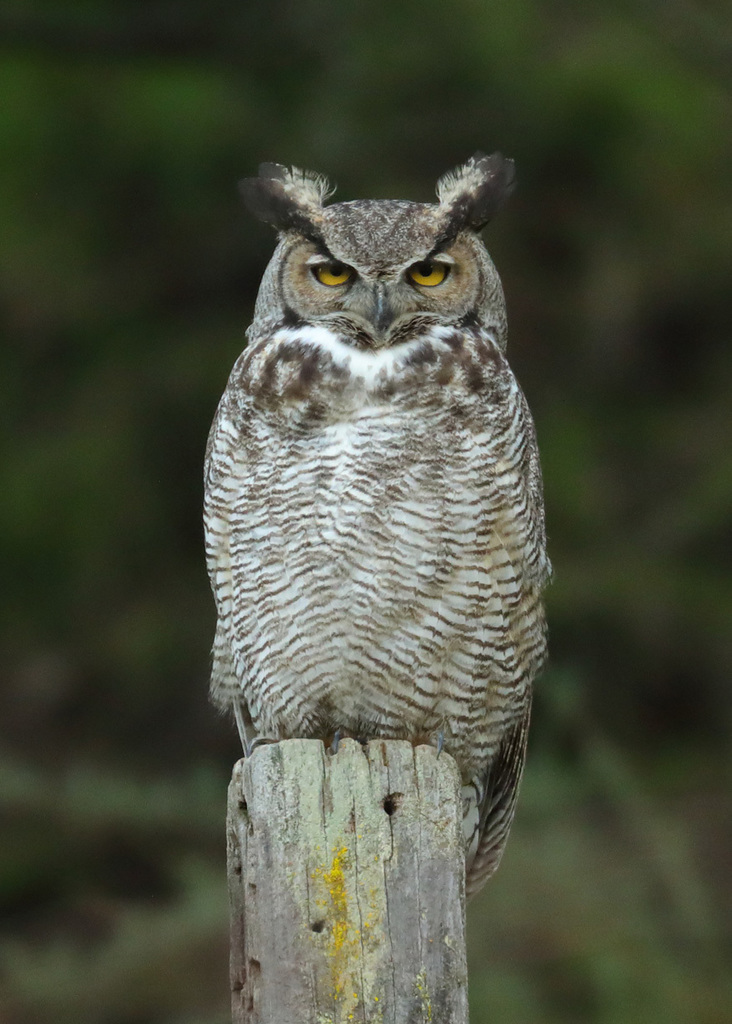
Great Horned Owl detail at dusk
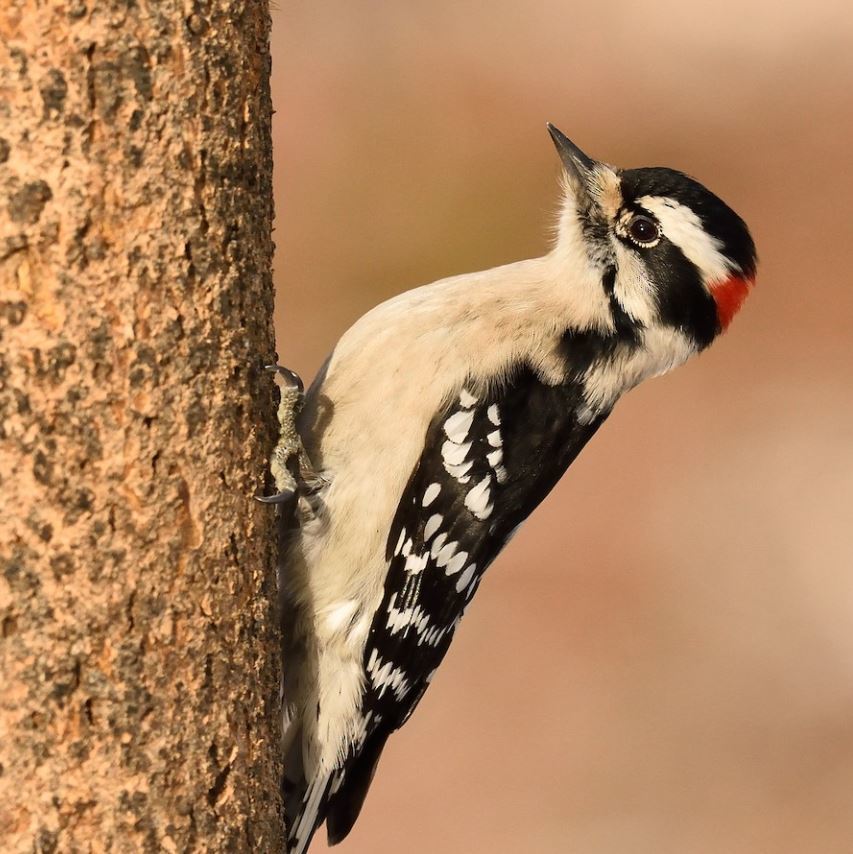
Downy Woodpecker field mark inspection
Bird Through Binoculars
American Goldfinch song — practice identifying through binoculars
Top Recommendations
Binocular Options
| Feature | Budget ($100–$150) | Premium ($300–$500) |
|---|---|---|
| Examples | Bushnell H2O, Celestron Nature DX | Vortex Viper, Zeiss SMC |
| Image Quality | Very Good | Excellent |
| Build Quality | Good | Outstanding |
| Weather Sealing | Some models | All models |
| Best For | Beginners | Serious birders |
Features That Matter
Key Features
- Rainproof and fog-proof (nitrogen-purged) — essential for field use
- Rubber armor for grip and drop protection
- Central focusing wheel with adjustable diopter
- Close focus distance under 7 feet for nearby birds
- Weight under 2.5 lbs for extended handheld use
- Interpupillary distance adjustment for comfortable viewing
The Gold Standard
8x42 binoculars are the most popular configuration for birding. They offer the best balance of magnification, brightness, field of view, and weight. If you buy only one pair, make it 8x42.
Binocular Stats
Q: Should I buy cheap or expensive binoculars?
A: For beginners, a $100–$150 pair from Bushnell or Celestron is excellent. If you bird frequently, invest in $300–$500 Vortex or Zeiss for better optics and durability.
Featured Birds
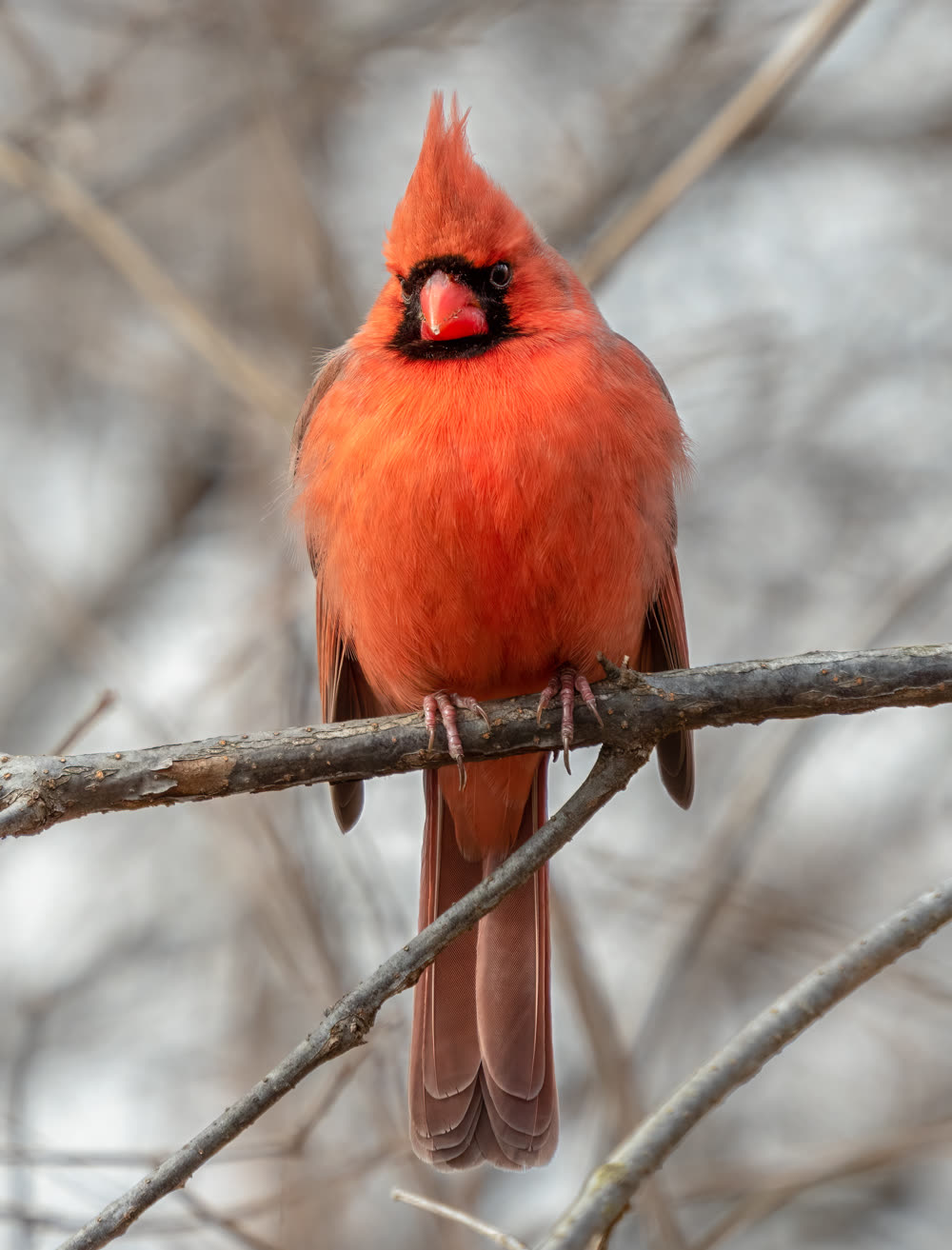
Northern Cardinal
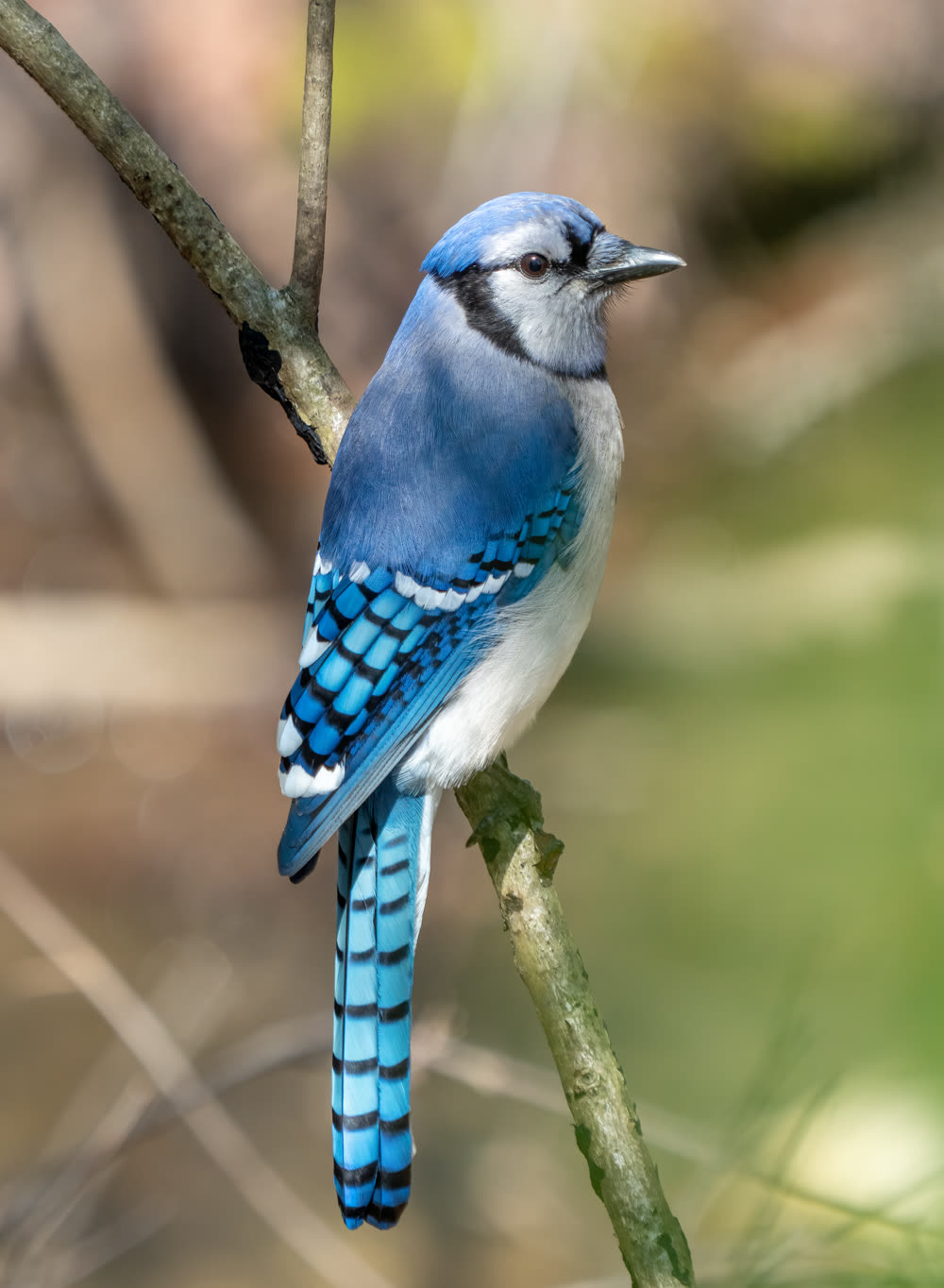
Blue Jay
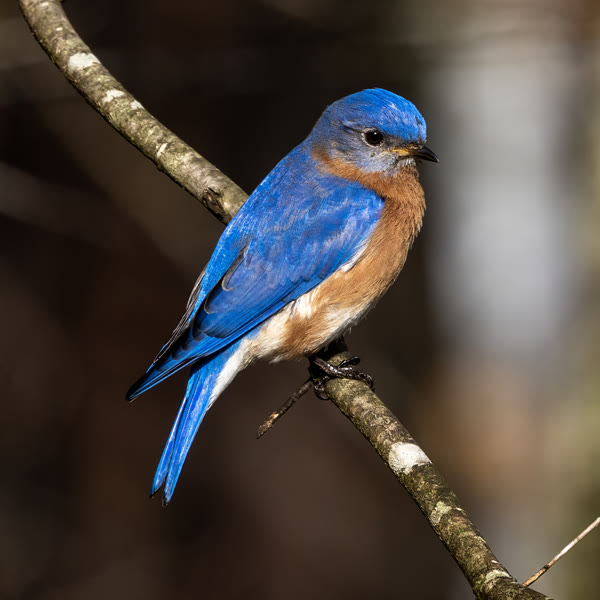
Eastern Bluebird
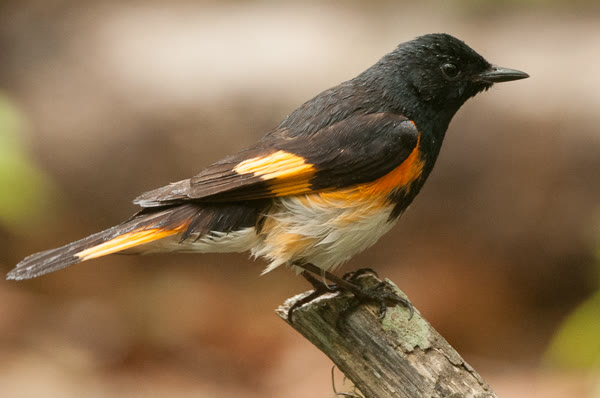
Warbler