Backyard Seasons: A Year-Round Bird Watching Calendar
Your backyard is a living calendar of bird activity. Each month brings different visitors, behaviors, and opportunities. Understanding these seasonal patterns helps you anticipate what species to expect and when, making every visit to your feeder a chance for discovery.
Monthly Birding Calendar
Year-Round Backyard Birding
January
Deep winter residents
Chickadees, nuthatches, finches
February
Early signals of spring
Crows, jays, first robins
March
Spring migration begins
Robins, cedar waxwings
April
Spring peak
Warblers, tanagers, vireos
May
Late spring migrants
All warblers, orioles
June
Breeding season starts
Territorial singing, nesting
July
Summer residents
Bluebirds, swallows, flycatchers
August
Fall migration begins
Vireos, first sparrows
September
Fall peak
Sparrows, juncos, finches
October
Late fall passage
Juncos, dark-eyed sparrows
November
Winter preparation
Flocks forming, fat storage
December
Winter residents arrive
Chickadees, nuthatches, cardinals
Year-Round Backyard Birds
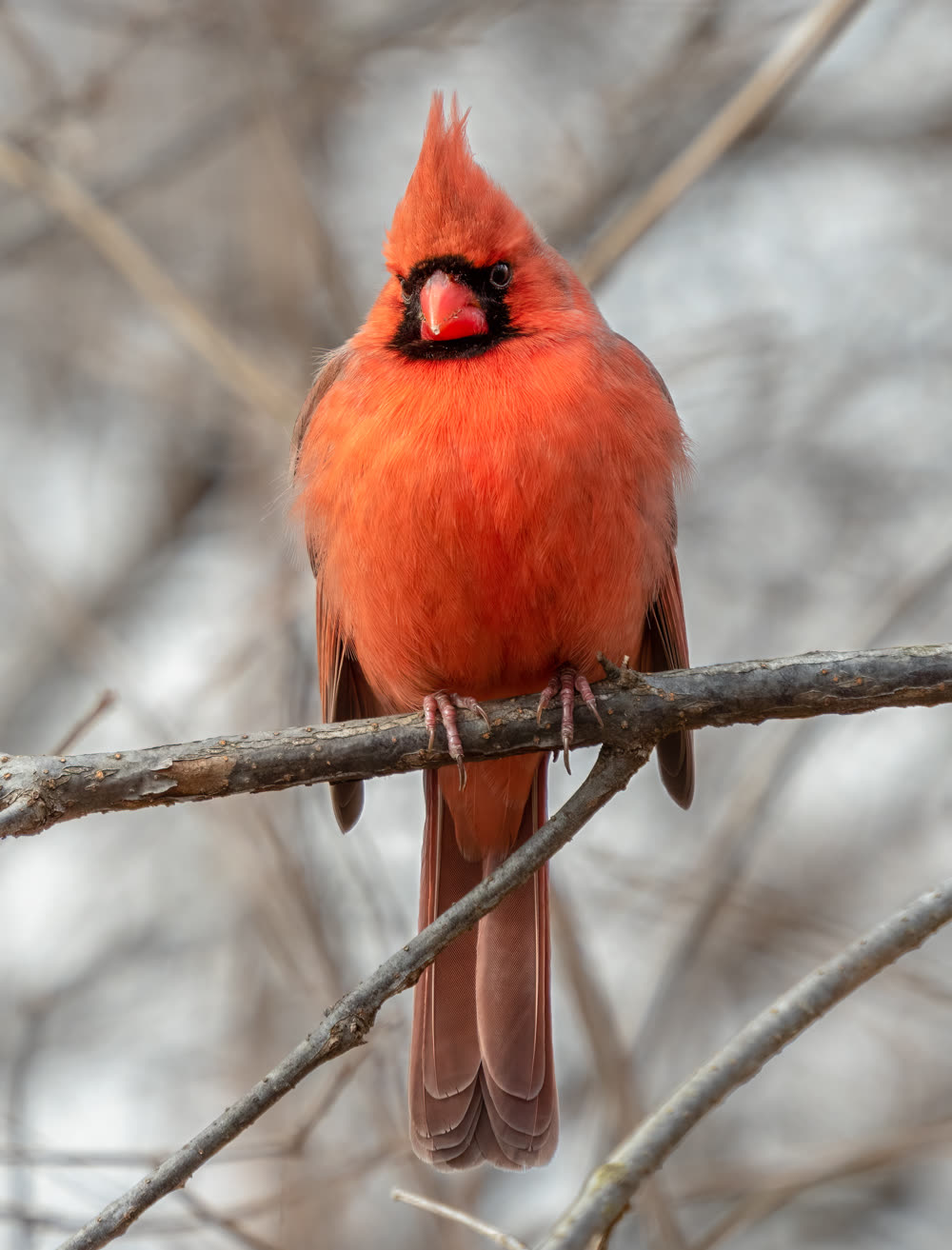
Cardinal in winter snow
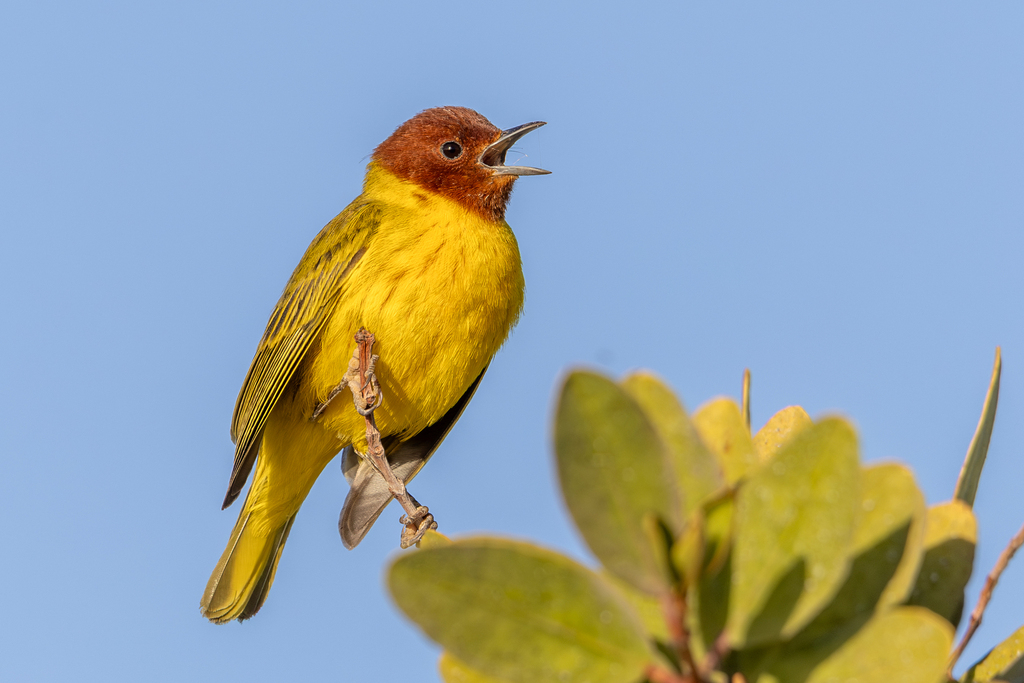
Yellow Warbler in spring
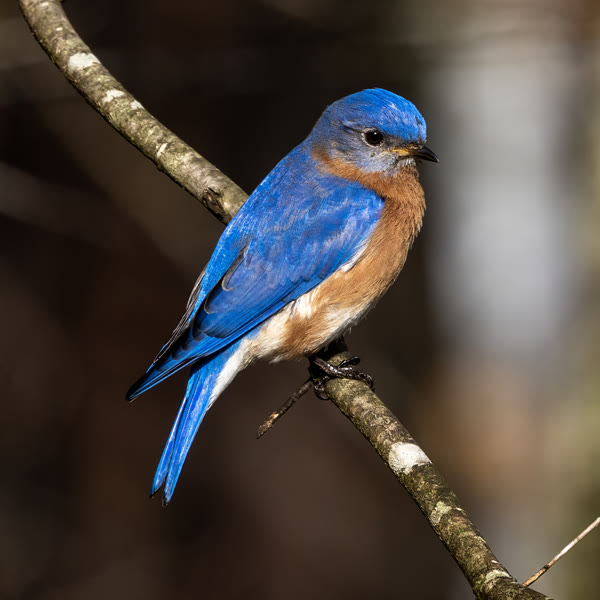
Eastern Bluebird in summer
Seasonal Bird Songs
Cardinal sings year-round — the constant in every season
Seasonal Behaviors
Spring brings territorial singing and courtship displays. Summer sees nest building, incubation, and fledging. Fall focuses on fat accumulation and migration preparation. Winter requires energy conservation and social flocking. Understanding these behaviors enriches every birding experience.
Year-Round Feeder Tips
- Winter: Suet and sunflower seeds for energy
- Spring: Protein-rich foods for breeding birds
- Summer: Nyjer for finches, fruit for warblers
- Fall: High-fat foods for migration fueling
- Keep water unfrozen in winter, fresh in summer
- Clean feeders monthly to prevent disease
Technology and Seasonal Birding
Our AI Smart Bird Feeder provides year-round documentation of backyard bird activity. The species recognition database adapts to seasonal changes, identifying migrants as they appear and residents as they settle in. Over 30 days of testing showed consistent species recognition across all seasons.
Data Collection
Year-round feeder data helps scientists track migration timing, population trends, and habitat needs. Every sighting from your AI feeder contributes to global bird conservation efforts.
Backyard Birding by the Numbers
Q: What is the best time of year for backyard birding?
A: Spring (April–May) and fall (September–October) offer the most species diversity. However, each season has unique rewards — winter reveals hardy residents, summer shows nesting behavior.
Featured Birds
Northern Cardinal
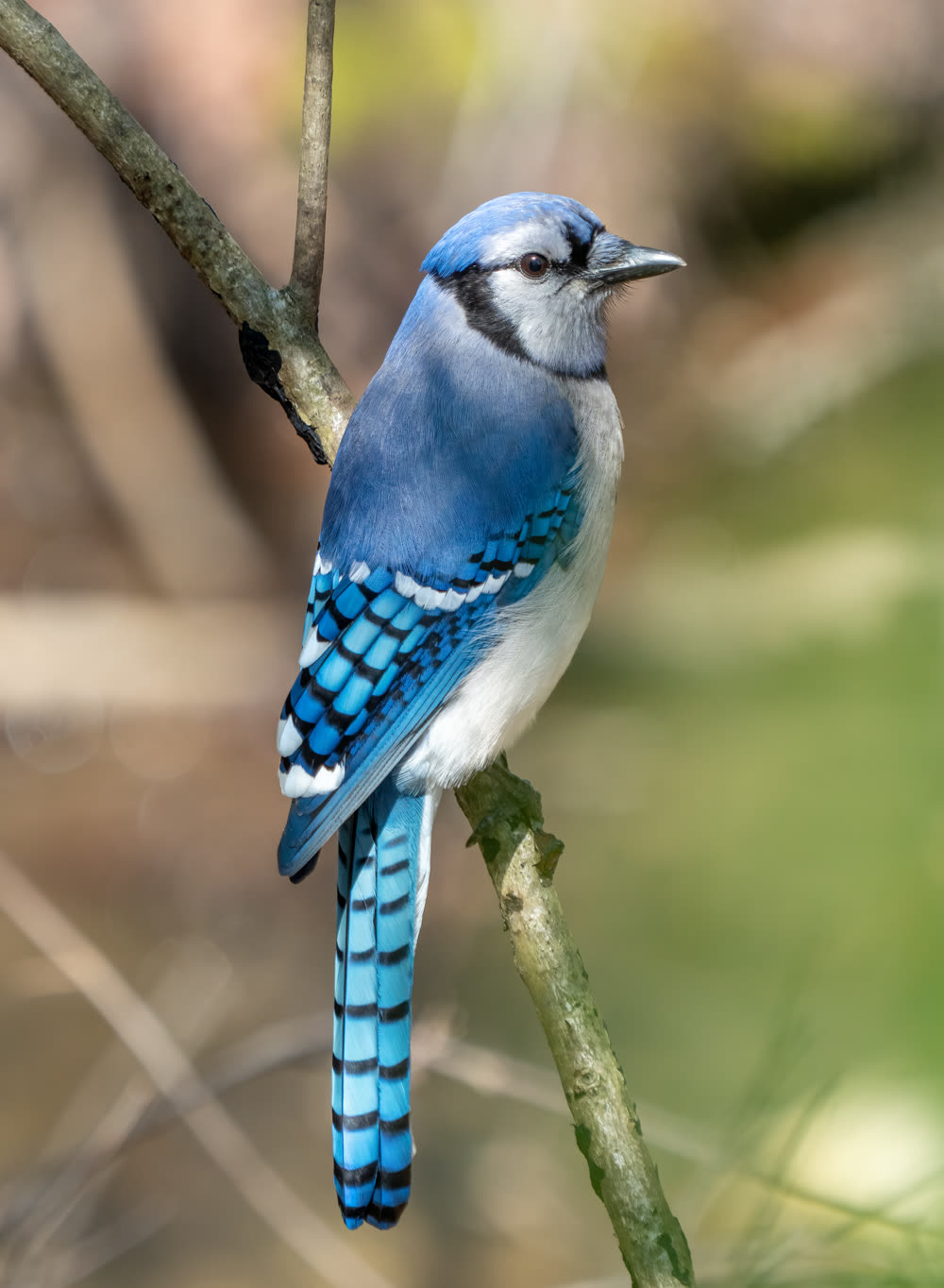
Blue Jay
Eastern Bluebird
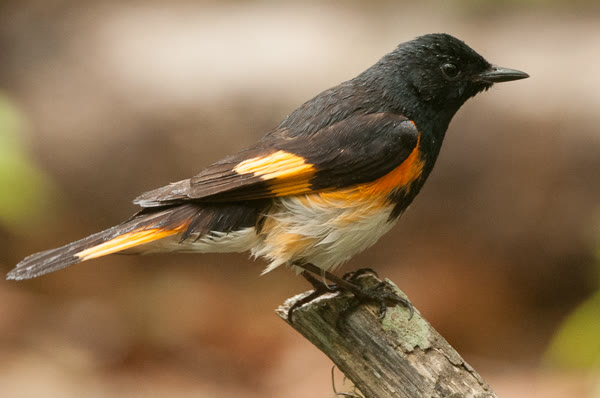
Warbler