AI Smart Feeder vs Traditional Feeder: Head-to-Head Comparison
The debate between AI smart feeders and traditional feeders is really a question of what you value most. Traditional feeders are simple, reliable, and inexpensive. Smart feeders add technology that transforms bird watching from observation to documentation and learning.
Side-by-Side Comparison
AI Smart vs Traditional
| Feature | AI Smart Feeder | Traditional Feeder |
|---|---|---|
| Price | $149.99 | $10–$40 |
| Species ID | Automatic (95%+) | Manual (guess) |
| Photos | 1080P automatic | None |
| Notifications | Push to phone | None |
| Data Logging | Automatic history | None |
| Seed Waste | Minimal (portion control) | Variable |
| Squirrel Proof | Weight sensor | Mechanical cage |
| Night Vision | Infrared | None |
| Updates | OTA improvements | Static |
| Learning Value | High (species guides) | None |
Value Analysis
If you buy a tube feeder ($15), a suet cage ($8), a hummingbird feeder ($12), and a nyjer feeder ($10) separately, you spend $45 on four feeders that require four types of seed. The AI Smart Feeder at $150 replaces all four and adds species ID, photos, and data logging — features no traditional feeder can match.
Comparison Summary
Verdict
For casual observers, a traditional feeder is sufficient. For birders who want data, photos, and species identification, the AI Smart Feeder provides 10x the value per dollar. Most users report it paid for itself within the first month of enjoyment and learning.
Q: Can I use both an AI feeder and traditional feeders?
A: Absolutely. Many customers use the AI feeder as their primary and add a simple tray or tube for species the AI feeder does not attract as well. The AI feeder identifies visitors at all feeders.
Featured Birds
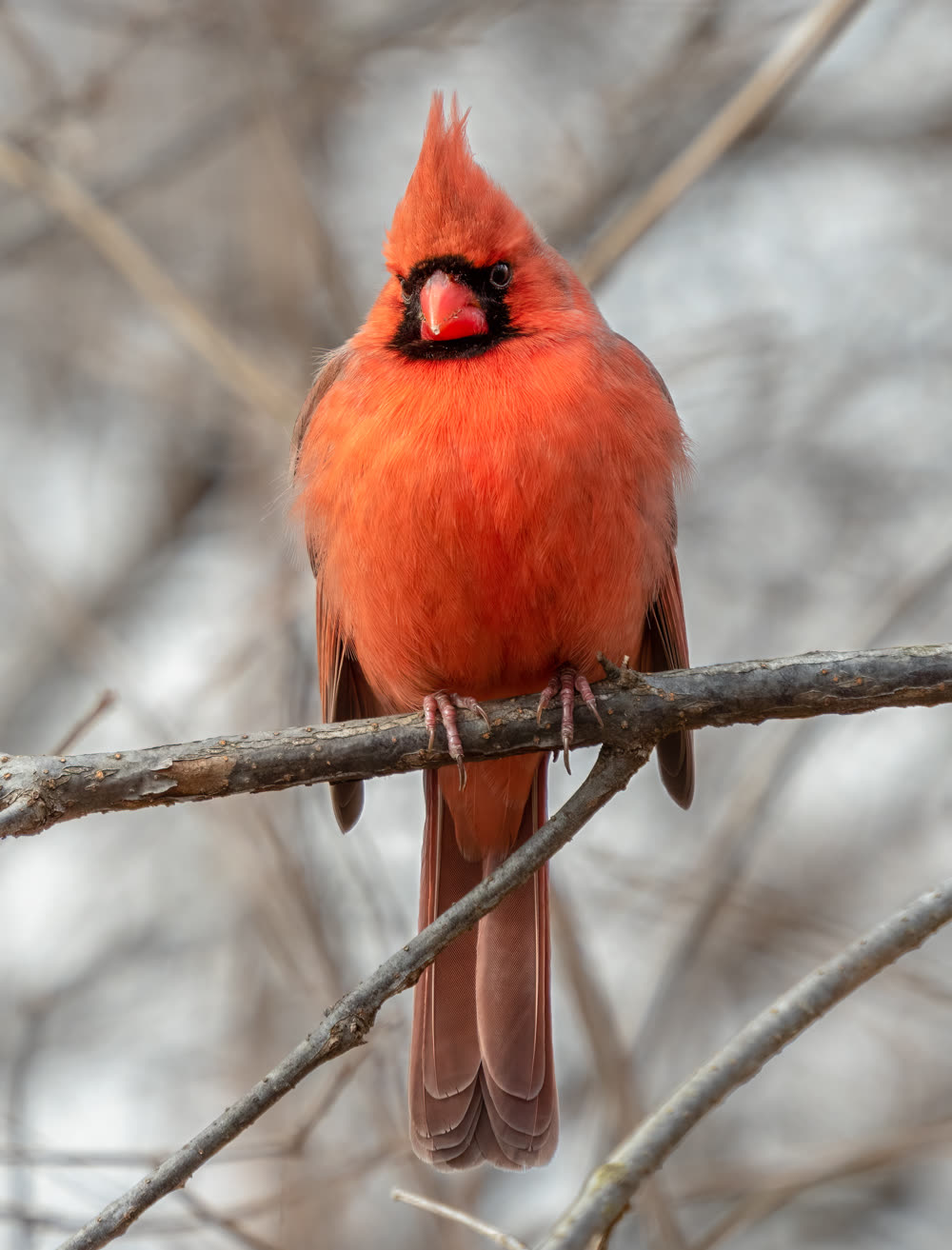
Northern Cardinal

Blue Jay

Eastern Bluebird
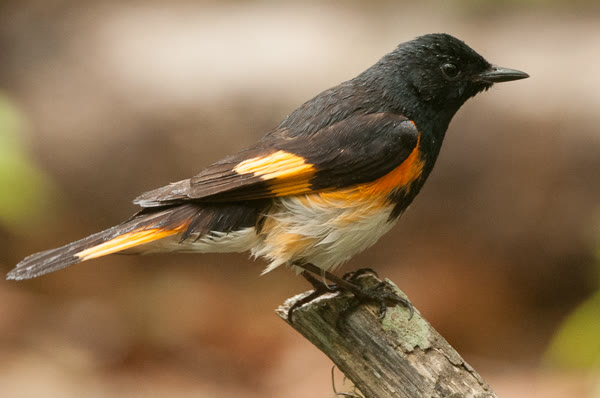
Warbler